Soporte rápido de profesionales de seguros de confianza Llame +1 713-777-2886 hoy!
¡Llame hoy al +1 713-777-2886 para obtener un soporte profesional rápido!
¡Llame hoy al +1 713-777-2886 para obtener un soporte profesional rápido!


Tabla de Contenido
Título

Deje que AZ Insurance le ayude
a encontrar una cobertura asequible
Conéctate con nuestro equipo experimentado hoy y obtén un seguro confiable y asequible diseñado a tu medida.
¡Contáctanos!

Deja que A-Z Auto Insurance te ayude a encontrar una cobertura asequible
Conéctate con nuestro equipo experimentado hoy y obtén un seguro confiable y asequible diseñado a tu medida.
¡Contáctanos!
El seguro comercial se abarató en 2026. Su póliza de camión no. He aquí el porqué.
El seguro comercial se abarató en 2026. Su póliza de camión no. He aquí el porqué.
El seguro comercial se abarató en 2026. Su póliza de camión no. He aquí el porqué.
El seguro comercial se abarató en 2026. Su póliza de camión no. He aquí el porqué.
El seguro comercial se abarató en 2026. Su póliza de camión no. He aquí el porqué.

Reseñado por AZ Insurance Agency, con licencia en Texas, sirviendo a Houston desde 2003.
Durante ocho años y medio, la historia de los seguros comerciales fue siempre la misma: tarifas al alza, otra vez, en todas partes. Treinta y tres trimestres consecutivos de aumentos acostumbran al propietario de un negocio a dejar de hacer preguntas y limitarse a pagar la renovación. En el primer trimestre de 2026 eso se detuvo, y casi nadie se lo dijo a los dueños de negocios en Houston. Desde 2003, AZ Insurance Agency ha emitido coberturas comerciales para contratistas, propietarios-operadores, operaciones de entrega y flotas en todo Houston y Dallas, y este es el primer año en una década en el que volver a cotizar una póliza probablemente produzca una cifra más baja. Con una clara excepción, y si usted maneja vehículos, usted es esa excepción.
Respuesta rápida: Las primas generales de seguros comerciales de propiedad y responsabilidad civil cayeron un 1.2 por ciento en el primer trimestre de 2026, la primera disminución en casi nueve años, poniendo fin a una racha de 33 trimestres. Nueve de los doce ramos bajaron, encabezados por el de propiedad comercial con un 5.5 por ciento. Un ramo fue en sentido contrario: el seguro de auto comercial aumentó un 5.8 por ciento, el mayor incremento de cualquier ramo y su 59.º trimestre consecutivo de aumentos. Si maneja vehículos para su negocio en Houston, usted es la excepción a un mercado que acaba de abaratarse para todos los demás, lo que hace que este sea el año con mayor valor en una década para cotizar esa póliza específica con otras opciones.
Puntos clave
Las tarifas de seguros comerciales de propiedad y responsabilidad civil se situaron en un valor negativo de 1.2 por ciento en el primer trimestre de 2026, lo que puso fin a 33 trimestres consecutivos de aumentos.
Nueve de los doce ramos disminuyeron. El de propiedad comercial cayó un 5.5 por ciento, lo cual es importante en un mercado de Houston donde los costos de construcción impulsaron con fuerza las primas a partir de 2017.
El seguro de auto comercial aumentó un 5.8 por ciento, el mayor incremento de cualquier ramo, extendiendo una racha a 59 trimestres consecutivos, cerca de quince años.
El seguro paraguas comercial (umbrella) aumentó un 4.8 por ciento, el segundo incremento más alto, debido a que se coloca directamente por encima del seguro de auto comercial.
El mecanismo detrás de esto es la pérdida de suscripción. El índice combinado de auto comercial fue de 109 en 2023 y de 107.2 en 2024. Ambos representan pérdidas, y un ramo que pierde dinero aumenta los precios.
Las pólizas de auto personales excluyen el uso comercial, y el Departamento de Seguros de Texas incluye la conducción para fines comerciales entre lo que las pólizas de auto no cubren.
Los límites de registro estatal de Texas se establecen según el peso y el tipo de carga bajo la norma 43 TAC 218.16. La cifra de $300,000 que circula aplica únicamente a los transportistas de bienes del hogar de menos de 26,000 libras.
En esta guía
La cifra que rompió una racha de nueve años
Qué bajó y qué subió
Por qué el seguro de auto comercial sigue subiendo
La denegación que más les cuesta a las pequeñas empresas
Los límites de registro en Texas, tomados de la tabla real del TxDMV
Quién necesita un seguro de auto comercial y no lo sabe
Qué hacer este mes
Preguntas frecuentes
La cifra que rompió una racha de nueve años
Las tarifas compuestas de seguros comerciales de propiedad y responsabilidad civil se situaron en un valor negativo de 1.2 por ciento en el primer trimestre de 2026. Eso puso fin a una racha de 33 aumentos trimestrales consecutivos que se remontaba a casi nueve años atrás.
Si usted es dueño de un negocio en Houston y renovó una póliza en los últimos meses sin cotizar opciones, existe una posibilidad razonable de que haya dejado dinero sobre la mesa por primera vez desde 2017. Esa es la conclusión práctica, y vale la pena actuar en consecuencia antes de que el mercado vuelva a cambiar.
Qué bajó y qué subió
Nueve de los doce ramos disminuyeron. Así es como se perfiló el trimestre.
Ramo | Cambio en el Q1 de 2026 | Qué significa para un negocio en Houston |
|---|---|---|
Propiedad comercial | Bajó un 5.5 por ciento | El cambio más grande. Si usted es dueño de un edificio o lo tiene arrendado y no ha cotizado opciones desde 2023, esto representa dinero real. |
Responsabilidad civil general | Subió un 2.6 por ciento | Técnicamente es un aumento, pero en este mercado se interpreta casi como estable. |
Paraguas comercial (Umbrella) | Subió un 4.8 por ciento | El segundo más alto. Sube porque se coloca por encima del seguro de auto comercial. |
Auto comercial | Subió un 5.8 por ciento | El más alto de cualquier ramo. 59.º trimestre consecutivo de aumentos. |
Compuesto, todos los ramos | Bajó un 1.2 por ciento | Primera disminución en casi nueve años. |
La implicación estratégica para un negocio que posee o arrienda un edificio es directa. El de propiedad es el ramo donde una nueva cotización tiene más probabilidades de producir una cifra genuinamente mejor este año, y casi nadie en Houston se lo está diciendo a los propietarios. El discurso durante los últimos ocho años ha sido prepararse para lo peor. Para el ramo de propiedad específicamente, ese discurso está desactualizado.
El seguro de auto comercial es todo lo contrario. Cincuenta y nueve trimestres equivalen a casi quince años de aumentos ininterrumpidos. Ningún otro ramo se comporta de esta manera. El seguro de propiedad se flexibiliza y se endurece en ciclos. El seguro de compensación para trabajadores ha tenido largos periodos de disminuciones. El de auto comercial simplemente sube.
Por qué el seguro de auto comercial sigue subiendo
Tres factores, y ninguno de ellos va a desaparecer pronto.
Factor determinante | Qué cambió | Por qué aumenta su prima |
|---|---|---|
Costos de reparación | Los vehículos cuentan con más sensores, cámaras y hardware de asistencia al conductor que hace una década | Una defensa ya no es simplemente una defensa. Reparar la misma colisión cuesta más de lo que costaba en 2015. |
Costos médicos | La inflación médica se traslada directamente a la gravedad de las lesiones corporales | Las lesiones corporales impulsan las pérdidas de los seguros de auto comercial mucho más que los daños materiales físicos. |
Veredictos judiciales | Los veredictos promedio por accidentes de camiones grandes pasaron de $2.3 millones en 2010 a $22.3 millones en 2018 | Aproximadamente un aumento de diez veces en ocho años, lo que redefine la forma en que se fijan los precios de todo este ramo. |
Se puede ver el resultado en las cifras de suscripción. El índice combinado de seguros de auto comerciales fue de 109 en 2023, lo que significa que las aseguradoras pagaron más en reclamaciones y gastos de lo que recaudaron en primas. Mejoró a 107.2 en 2024, lo que sigue siendo una pérdida de suscripción. Un ramo que pierde dinero en la suscripción aumenta los precios. Ese es todo el mecanismo, y es por eso que cotizar opciones importa más aquí que en cualquier otra parte de su póliza.
La denegación que más les cuesta a las pequeñas empresas
Aquí es donde esto deja de ser un informe de mercado y se convierte en algo que puede acabar con una pequeña empresa.
En abril de 2026, el propietario de una furgoneta publicó sobre un reclamo por pérdida total de $30,000 que fue denegado. El vehículo fue pérdida total. La cobertura estaba vigente. Aun así, el reclamo fue denegado porque el choque ocurrió durante una entrega y la póliza contratada era una póliza de auto personal.
Las pólizas de auto personales excluyen el uso comercial. Esto no es un vacío legal ni una postura agresiva de la aseguradora. El Departamento de Seguros de Texas publica guías para el consumidor sobre lo que las pólizas de auto no cubren, y la conducción para fines comerciales aparece en ellas.
La exposición al riesgo es asimétrica de la peor manera. No pasa nada malo durante meses o años. La prima es más baja, el papeleo es más sencillo y la póliza personal parece estar funcionando bien. Luego, llega un reclamo durante un viaje de trabajo y todo el valor del vehículo, más cualquier responsabilidad civil, recae personalmente sobre el propietario.
Si usted utiliza un vehículo para hacer entregas, transportar clientes, llevar herramientas a un trabajo o trasladarse entre sitios de trabajo, la pregunta no es si puede salirse con la suya con una póliza personal. Es si puede absorber ese único reclamo en el que no podrá hacerlo.

Los límites de registro en Texas, tomados de la tabla real del TxDMV
Si está registrado ante el Departamento de Vehículos Motorizados de Texas (TxDMV) como transportista motorizado intraestatal, su responsabilidad civil mínima se establece por reglamento, y la cifra depende de lo que transporte y del peso del vehículo. Los límites se encuentran en la norma 43 TAC 218.16 y se reproducen en el Manual de Transportistas Motorizados del TxDMV. Casi ninguna agencia de Houston los publica, así que aquí los tiene.
Tipo de transportista | Condición | Límite único combinado mínimo |
|---|---|---|
Todos los demás, privados o de alquiler | Peso bruto, peso registrado o clasificación superior a 26,000 libras | $500,000 |
Transportistas de bienes del hogar | Peso bruto, peso registrado o clasificación menor a 26,000 libras | $300,000 |
Operadores de autobuses | Más de 15 pero menos de 26 pasajeros | $500,000 |
Operadores de autobuses | 26 pasajeros o más | $5,000,000 |
Operadores de autobuses escolares comerciales | Autobuses escolares de alquiler dentro de un municipio | $500,000 |
Petróleo, residuos peligrosos y lubricantes o combustibles de petróleo | Según se indica en la norma 49 CFR 172.101 | $1,000,000 |
Materiales peligrosos que requieren rotulación | Según las definiciones y cantidades de la norma 49 CFR | $5,000,000 |
Los transportistas de bienes del hogar también tienen un requisito de carga independiente: $5,000 por pérdida o daño a la carga en cualquier vehículo individual, y $10,000 por pérdida agregada entre múltiples remitentes en un solo vehículo.
El número en el que la gente se equivoca. Con frecuencia verá que se citan $300,000 como el requisito de carga intraestatal. Esa cifra es real pero limitada. Se aplica a los transportistas de bienes del hogar de menos de 26,000 libras. La carga general no se considera bienes del hogar. Una operación de carga general que utiliza un vehículo de más de 26,000 libras entra en la categoría de "todos los demás" y el requisito es de $500,000. Presentar el registro con el límite incorrecto no suele costar dinero, cuesta tiempo: se emite el seguro, se rechaza el trámite y su permiso de operación queda en el limbo mientras se soluciona.
Cómo funciona realmente el trámite de registro. Solo su compañía de seguros puede presentarlo. El comprobante de responsabilidad civil se presenta en el Formulario E, el comprobante de carga en los Formularios H e I, y la cancelación en el Formulario K, todos presentados electrónicamente por su asegurador. Su póliza debe incluir una cláusula que obligue a la aseguradora a notificar al TxDMV al menos 30 días antes de la cancelación o el vencimiento. Mantener el registro activo es responsabilidad suya, no de su aseguradora, y puede ser sancionado por tener un permiso de operación sin seguro, incluso si no está operando actualmente.
Confirme el nivel que corresponde a su operación específica antes de que su agente presente el registro. Si no está seguro de en qué fila se encuentra, eso requiere una llamada telefónica de cinco minutos y vale la pena hacerla antes de enviar el papeleo.
Quién necesita un seguro de auto comercial y no lo sabe
Según nuestra experiencia, los oficios que con mayor frecuencia operan con la póliza incorrecta son:
Plomeros, electricistas y técnicos de aire acondicionado (HVAC) que transportan herramientas y repuestos entre trabajos
Paisajistas y jardineros que remolcan remolques
Proveedores de banquetes y operadores de servicios de alimentos que realizan entregas en eventos
Mensajeros y cualquier persona que realice entregas basadas en aplicaciones en un vehículo propio
Contratistas generales y remodeladores que se trasladan entre sitios de obra
Detalladores móviles de autos, mecánicos móviles, peluqueros móviles de mascotas y cualquier otro negocio donde el vehículo sea el local comercial
El factor común no es el tamaño del vehículo. Es si el vehículo forma parte de la manera en que se realiza el trabajo. Un Honda Civic utilizado para entregas pagadas tiene una exposición de uso comercial. Una camioneta pick-up que solo lleva al propietario hacia y desde una oficina, no la tiene.
Una corrección que vale la pena hacer, porque circula en los contenidos sobre seguros comerciales en Texas: a menudo se describe que Texas tiene cerca de un 20 por ciento de conductores sin seguro. El Insurance Research Council sitúa a Texas en un 13.8 por ciento, ocupando el puesto 22 entre los estados. Texas no es un caso extremo en cuanto a automovilistas sin seguro, y la cobertura de automovilista sin seguro en una póliza comercial debe defenderse por sus propios méritos y no basándose en una cifra inflada.
Qué hacer este mes
Tres acciones, en orden de valor:
Cotizar opciones para la póliza de auto comercial. Es el ramo que más subió, y la diferencia de tarifas entre aseguradoras para el seguro de auto comercial en Texas es amplia. Esta es la nueva cotización con mayor valor disponible para un negocio en Houston en este momento.
Volver a cotizar el seguro de propiedad comercial. Bajó un 5.5 por ciento. Si no ha cotizado opciones para la cobertura de su edificio desde 2023, es muy probable que la cifra se haya movido a su favor por primera vez en años.
Verificar si algún vehículo de la operación está bajo una póliza personal. Esta no es una cuestión de precios, es una cuestión de solvencia. Corríjalo antes de que se convierta en un reclamo.
Preguntas frecuentes
P: ¿De verdad bajaron las tarifas de los seguros comerciales en 2026?
En general, sí. Las tarifas compuestas de seguros comerciales de propiedad y responsabilidad civil cayeron un 1.2 por ciento en el primer trimestre de 2026, la primera disminución en casi nueve años, poniendo fin a 33 trimestres consecutivos de aumentos. Nueve de los doce ramos disminuyeron. Sin embargo, no fue uniforme, y el seguro de auto comercial fue en sentido contrario con un aumento del 5.8 por ciento.
P: ¿Por qué subió mi prima de auto comercial cuando todo lo demás bajó?
Porque el seguro de auto comercial ha estado perdiendo dinero para las aseguradoras durante años. Su índice combinado fue de 109 en 2023 y de 107.2 en 2024, representando en ambos casos pérdidas de suscripción. Los costos de reparación, la inflación médica y la gravedad de los grandes veredictos judiciales impulsan el precio al alza, y este ramo ya ha subido durante 59 trimestres consecutivos. Es el único ramo comercial importante que no se mueve en ciclos.
P: ¿Cuánta cobertura de seguro de responsabilidad civil necesita un transportista motorizado intraestatal en Texas?
Depende del peso y de la carga. Bajo la norma 43 TAC 218.16, los transportistas privados o de alquiler de más de 26,000 libras necesitan un límite único combinado de $500,000. Los transportistas de bienes del hogar de menos de 26,000 libras necesitan $300,000. Los autobuses que transportan a más de 15 pero menos de 26 pasajeros necesitan $500,000, y los de 26 pasajeros o más necesitan $5,000,000. Para el petróleo y ciertos materiales peligrosos, los límites ascienden a $1,000,000 y $5,000,000.
P: ¿El requisito de carga intraestatal de Texas es de $300,000?
No para la carga general. La cifra de $300,000 se aplica específicamente a los transportistas de bienes del hogar que operan con menos de 26,000 libras. La carga general de más de 26,000 libras entra en la fila de "todos los demás" con un límite de $500,000. Presentar el registro con el límite incorrecto hace que se rechace el trámite y deja su permiso de operación en el limbo.
P: ¿Me cubrirá mi póliza de auto personal si uso mi camioneta para trabajar?
Por lo general, no. Las pólizas de auto personales excluyen el uso comercial, y el Departamento de Seguros de Texas incluye la conducción para fines comerciales entre lo que las pólizas de auto no cubren. La exclusión es categórica, no proporcional, por lo que el uso comercial ocasional no obtiene cobertura parcial. Un reclamo relacionado con el trabajo puede ser denegado en su totalidad.
P: ¿Quién presenta mi comprobante de seguro ante el TxDMV?
Solo su compañía de seguros puede hacerlo. El comprobante de responsabilidad civil se presenta en el Formulario E, el de carga en los Formularios H e I, y la cancelación en el Formulario K, todo por vía electrónica. Su póliza debe exigir a la aseguradora que notifique al TxDMV al menos 30 días antes de la cancelación o vencimiento, y mantener ese registro activo es responsabilidad de usted.
P: ¿Debería cotizar opciones para mi póliza a mitad de su vigencia o esperar a la renovación?
Comience entre 60 y 90 días antes de la renovación para que haya tiempo de comparar y transferir cualquier registro del TxDMV de manera limpia. Dado que el ramo de propiedad se flexibilizó y el de auto comercial no, este es un año en el que vale la pena hacer la comparación de manera adecuada en lugar de hacerlo a última hora.
P: ¿Qué tan rápido puede AZ Insurance cotizar una póliza de auto comercial?
Por lo general, el mismo día para una operación sencilla; más tiempo si se requiere un trámite ante el TxDMV o si se trata de una carga inusual. Traiga su página de declaraciones actual, su lista de vehículos con pesos y su número de TxDMV si tiene uno. Llame al 713-777-2886. Hablamos Español.
Por qué AZ Insurance se destaca
AZ Insurance ha protegido a los negocios de Texas desde 2003. Agentes reales en 15 oficinas locales en todo Houston y Dallas, no centros de llamadas leyendo guiones. Soporte bilingüe para que el idioma nunca sea un obstáculo al cumplir con una fecha límite de registro. Más de 100,000 clientes confían en nosotros para su protección.
Cuando nos trae una póliza de auto comercial, comparamos 8 aseguradoras en lugar de simplemente renovar su póliza actual, porque un ramo que ha subido durante 59 trimestres consecutivos es un ramo donde las aseguradoras han tomado caminos muy distintos en cuanto a precios. Verificamos su límite de registro contra la fila de la tabla del TxDMV que realmente coincide con su operación. Analizamos si algún vehículo de la flota está operando bajo una póliza personal. Y si un contrato que acaba de firmar le exige límites más altos de los que tiene contratados, le decimos si un nivel de cobertura paraguas (umbrella) le ayuda a alcanzar ese límite por menos dinero que aumentar la cobertura principal.
Obtenga una cotización comercial gratuita hoy mismo y descubra si este es el año en que su renovación finalmente va en la dirección opuesta.
Artículos relacionados
Reseñado por AZ Insurance Agency, con licencia en Texas, sirviendo a Houston desde 2003.
Durante ocho años y medio, la historia de los seguros comerciales fue siempre la misma: tarifas al alza, otra vez, en todas partes. Treinta y tres trimestres consecutivos de aumentos acostumbran al propietario de un negocio a dejar de hacer preguntas y limitarse a pagar la renovación. En el primer trimestre de 2026 eso se detuvo, y casi nadie se lo dijo a los dueños de negocios en Houston. Desde 2003, AZ Insurance Agency ha emitido coberturas comerciales para contratistas, propietarios-operadores, operaciones de entrega y flotas en todo Houston y Dallas, y este es el primer año en una década en el que volver a cotizar una póliza probablemente produzca una cifra más baja. Con una clara excepción, y si usted maneja vehículos, usted es esa excepción.
Respuesta rápida: Las primas generales de seguros comerciales de propiedad y responsabilidad civil cayeron un 1.2 por ciento en el primer trimestre de 2026, la primera disminución en casi nueve años, poniendo fin a una racha de 33 trimestres. Nueve de los doce ramos bajaron, encabezados por el de propiedad comercial con un 5.5 por ciento. Un ramo fue en sentido contrario: el seguro de auto comercial aumentó un 5.8 por ciento, el mayor incremento de cualquier ramo y su 59.º trimestre consecutivo de aumentos. Si maneja vehículos para su negocio en Houston, usted es la excepción a un mercado que acaba de abaratarse para todos los demás, lo que hace que este sea el año con mayor valor en una década para cotizar esa póliza específica con otras opciones.
Puntos clave
Las tarifas de seguros comerciales de propiedad y responsabilidad civil se situaron en un valor negativo de 1.2 por ciento en el primer trimestre de 2026, lo que puso fin a 33 trimestres consecutivos de aumentos.
Nueve de los doce ramos disminuyeron. El de propiedad comercial cayó un 5.5 por ciento, lo cual es importante en un mercado de Houston donde los costos de construcción impulsaron con fuerza las primas a partir de 2017.
El seguro de auto comercial aumentó un 5.8 por ciento, el mayor incremento de cualquier ramo, extendiendo una racha a 59 trimestres consecutivos, cerca de quince años.
El seguro paraguas comercial (umbrella) aumentó un 4.8 por ciento, el segundo incremento más alto, debido a que se coloca directamente por encima del seguro de auto comercial.
El mecanismo detrás de esto es la pérdida de suscripción. El índice combinado de auto comercial fue de 109 en 2023 y de 107.2 en 2024. Ambos representan pérdidas, y un ramo que pierde dinero aumenta los precios.
Las pólizas de auto personales excluyen el uso comercial, y el Departamento de Seguros de Texas incluye la conducción para fines comerciales entre lo que las pólizas de auto no cubren.
Los límites de registro estatal de Texas se establecen según el peso y el tipo de carga bajo la norma 43 TAC 218.16. La cifra de $300,000 que circula aplica únicamente a los transportistas de bienes del hogar de menos de 26,000 libras.
En esta guía
La cifra que rompió una racha de nueve años
Qué bajó y qué subió
Por qué el seguro de auto comercial sigue subiendo
La denegación que más les cuesta a las pequeñas empresas
Los límites de registro en Texas, tomados de la tabla real del TxDMV
Quién necesita un seguro de auto comercial y no lo sabe
Qué hacer este mes
Preguntas frecuentes
La cifra que rompió una racha de nueve años
Las tarifas compuestas de seguros comerciales de propiedad y responsabilidad civil se situaron en un valor negativo de 1.2 por ciento en el primer trimestre de 2026. Eso puso fin a una racha de 33 aumentos trimestrales consecutivos que se remontaba a casi nueve años atrás.
Si usted es dueño de un negocio en Houston y renovó una póliza en los últimos meses sin cotizar opciones, existe una posibilidad razonable de que haya dejado dinero sobre la mesa por primera vez desde 2017. Esa es la conclusión práctica, y vale la pena actuar en consecuencia antes de que el mercado vuelva a cambiar.
Qué bajó y qué subió
Nueve de los doce ramos disminuyeron. Así es como se perfiló el trimestre.
Ramo | Cambio en el Q1 de 2026 | Qué significa para un negocio en Houston |
|---|---|---|
Propiedad comercial | Bajó un 5.5 por ciento | El cambio más grande. Si usted es dueño de un edificio o lo tiene arrendado y no ha cotizado opciones desde 2023, esto representa dinero real. |
Responsabilidad civil general | Subió un 2.6 por ciento | Técnicamente es un aumento, pero en este mercado se interpreta casi como estable. |
Paraguas comercial (Umbrella) | Subió un 4.8 por ciento | El segundo más alto. Sube porque se coloca por encima del seguro de auto comercial. |
Auto comercial | Subió un 5.8 por ciento | El más alto de cualquier ramo. 59.º trimestre consecutivo de aumentos. |
Compuesto, todos los ramos | Bajó un 1.2 por ciento | Primera disminución en casi nueve años. |
La implicación estratégica para un negocio que posee o arrienda un edificio es directa. El de propiedad es el ramo donde una nueva cotización tiene más probabilidades de producir una cifra genuinamente mejor este año, y casi nadie en Houston se lo está diciendo a los propietarios. El discurso durante los últimos ocho años ha sido prepararse para lo peor. Para el ramo de propiedad específicamente, ese discurso está desactualizado.
El seguro de auto comercial es todo lo contrario. Cincuenta y nueve trimestres equivalen a casi quince años de aumentos ininterrumpidos. Ningún otro ramo se comporta de esta manera. El seguro de propiedad se flexibiliza y se endurece en ciclos. El seguro de compensación para trabajadores ha tenido largos periodos de disminuciones. El de auto comercial simplemente sube.
Por qué el seguro de auto comercial sigue subiendo
Tres factores, y ninguno de ellos va a desaparecer pronto.
Factor determinante | Qué cambió | Por qué aumenta su prima |
|---|---|---|
Costos de reparación | Los vehículos cuentan con más sensores, cámaras y hardware de asistencia al conductor que hace una década | Una defensa ya no es simplemente una defensa. Reparar la misma colisión cuesta más de lo que costaba en 2015. |
Costos médicos | La inflación médica se traslada directamente a la gravedad de las lesiones corporales | Las lesiones corporales impulsan las pérdidas de los seguros de auto comercial mucho más que los daños materiales físicos. |
Veredictos judiciales | Los veredictos promedio por accidentes de camiones grandes pasaron de $2.3 millones en 2010 a $22.3 millones en 2018 | Aproximadamente un aumento de diez veces en ocho años, lo que redefine la forma en que se fijan los precios de todo este ramo. |
Se puede ver el resultado en las cifras de suscripción. El índice combinado de seguros de auto comerciales fue de 109 en 2023, lo que significa que las aseguradoras pagaron más en reclamaciones y gastos de lo que recaudaron en primas. Mejoró a 107.2 en 2024, lo que sigue siendo una pérdida de suscripción. Un ramo que pierde dinero en la suscripción aumenta los precios. Ese es todo el mecanismo, y es por eso que cotizar opciones importa más aquí que en cualquier otra parte de su póliza.
La denegación que más les cuesta a las pequeñas empresas
Aquí es donde esto deja de ser un informe de mercado y se convierte en algo que puede acabar con una pequeña empresa.
En abril de 2026, el propietario de una furgoneta publicó sobre un reclamo por pérdida total de $30,000 que fue denegado. El vehículo fue pérdida total. La cobertura estaba vigente. Aun así, el reclamo fue denegado porque el choque ocurrió durante una entrega y la póliza contratada era una póliza de auto personal.
Las pólizas de auto personales excluyen el uso comercial. Esto no es un vacío legal ni una postura agresiva de la aseguradora. El Departamento de Seguros de Texas publica guías para el consumidor sobre lo que las pólizas de auto no cubren, y la conducción para fines comerciales aparece en ellas.
La exposición al riesgo es asimétrica de la peor manera. No pasa nada malo durante meses o años. La prima es más baja, el papeleo es más sencillo y la póliza personal parece estar funcionando bien. Luego, llega un reclamo durante un viaje de trabajo y todo el valor del vehículo, más cualquier responsabilidad civil, recae personalmente sobre el propietario.
Si usted utiliza un vehículo para hacer entregas, transportar clientes, llevar herramientas a un trabajo o trasladarse entre sitios de trabajo, la pregunta no es si puede salirse con la suya con una póliza personal. Es si puede absorber ese único reclamo en el que no podrá hacerlo.
Los límites de registro en Texas, tomados de la tabla real del TxDMV
Si está registrado ante el Departamento de Vehículos Motorizados de Texas (TxDMV) como transportista motorizado intraestatal, su responsabilidad civil mínima se establece por reglamento, y la cifra depende de lo que transporte y del peso del vehículo. Los límites se encuentran en la norma 43 TAC 218.16 y se reproducen en el Manual de Transportistas Motorizados del TxDMV. Casi ninguna agencia de Houston los publica, así que aquí los tiene.
Tipo de transportista | Condición | Límite único combinado mínimo |
|---|---|---|
Todos los demás, privados o de alquiler | Peso bruto, peso registrado o clasificación superior a 26,000 libras | $500,000 |
Transportistas de bienes del hogar | Peso bruto, peso registrado o clasificación menor a 26,000 libras | $300,000 |
Operadores de autobuses | Más de 15 pero menos de 26 pasajeros | $500,000 |
Operadores de autobuses | 26 pasajeros o más | $5,000,000 |
Operadores de autobuses escolares comerciales | Autobuses escolares de alquiler dentro de un municipio | $500,000 |
Petróleo, residuos peligrosos y lubricantes o combustibles de petróleo | Según se indica en la norma 49 CFR 172.101 | $1,000,000 |
Materiales peligrosos que requieren rotulación | Según las definiciones y cantidades de la norma 49 CFR | $5,000,000 |
Los transportistas de bienes del hogar también tienen un requisito de carga independiente: $5,000 por pérdida o daño a la carga en cualquier vehículo individual, y $10,000 por pérdida agregada entre múltiples remitentes en un solo vehículo.
El número en el que la gente se equivoca. Con frecuencia verá que se citan $300,000 como el requisito de carga intraestatal. Esa cifra es real pero limitada. Se aplica a los transportistas de bienes del hogar de menos de 26,000 libras. La carga general no se considera bienes del hogar. Una operación de carga general que utiliza un vehículo de más de 26,000 libras entra en la categoría de "todos los demás" y el requisito es de $500,000. Presentar el registro con el límite incorrecto no suele costar dinero, cuesta tiempo: se emite el seguro, se rechaza el trámite y su permiso de operación queda en el limbo mientras se soluciona.
Cómo funciona realmente el trámite de registro. Solo su compañía de seguros puede presentarlo. El comprobante de responsabilidad civil se presenta en el Formulario E, el comprobante de carga en los Formularios H e I, y la cancelación en el Formulario K, todos presentados electrónicamente por su asegurador. Su póliza debe incluir una cláusula que obligue a la aseguradora a notificar al TxDMV al menos 30 días antes de la cancelación o el vencimiento. Mantener el registro activo es responsabilidad suya, no de su aseguradora, y puede ser sancionado por tener un permiso de operación sin seguro, incluso si no está operando actualmente.
Confirme el nivel que corresponde a su operación específica antes de que su agente presente el registro. Si no está seguro de en qué fila se encuentra, eso requiere una llamada telefónica de cinco minutos y vale la pena hacerla antes de enviar el papeleo.
Quién necesita un seguro de auto comercial y no lo sabe
Según nuestra experiencia, los oficios que con mayor frecuencia operan con la póliza incorrecta son:
Plomeros, electricistas y técnicos de aire acondicionado (HVAC) que transportan herramientas y repuestos entre trabajos
Paisajistas y jardineros que remolcan remolques
Proveedores de banquetes y operadores de servicios de alimentos que realizan entregas en eventos
Mensajeros y cualquier persona que realice entregas basadas en aplicaciones en un vehículo propio
Contratistas generales y remodeladores que se trasladan entre sitios de obra
Detalladores móviles de autos, mecánicos móviles, peluqueros móviles de mascotas y cualquier otro negocio donde el vehículo sea el local comercial
El factor común no es el tamaño del vehículo. Es si el vehículo forma parte de la manera en que se realiza el trabajo. Un Honda Civic utilizado para entregas pagadas tiene una exposición de uso comercial. Una camioneta pick-up que solo lleva al propietario hacia y desde una oficina, no la tiene.
Una corrección que vale la pena hacer, porque circula en los contenidos sobre seguros comerciales en Texas: a menudo se describe que Texas tiene cerca de un 20 por ciento de conductores sin seguro. El Insurance Research Council sitúa a Texas en un 13.8 por ciento, ocupando el puesto 22 entre los estados. Texas no es un caso extremo en cuanto a automovilistas sin seguro, y la cobertura de automovilista sin seguro en una póliza comercial debe defenderse por sus propios méritos y no basándose en una cifra inflada.
Qué hacer este mes
Tres acciones, en orden de valor:
Cotizar opciones para la póliza de auto comercial. Es el ramo que más subió, y la diferencia de tarifas entre aseguradoras para el seguro de auto comercial en Texas es amplia. Esta es la nueva cotización con mayor valor disponible para un negocio en Houston en este momento.
Volver a cotizar el seguro de propiedad comercial. Bajó un 5.5 por ciento. Si no ha cotizado opciones para la cobertura de su edificio desde 2023, es muy probable que la cifra se haya movido a su favor por primera vez en años.
Verificar si algún vehículo de la operación está bajo una póliza personal. Esta no es una cuestión de precios, es una cuestión de solvencia. Corríjalo antes de que se convierta en un reclamo.
Preguntas frecuentes
P: ¿De verdad bajaron las tarifas de los seguros comerciales en 2026?
En general, sí. Las tarifas compuestas de seguros comerciales de propiedad y responsabilidad civil cayeron un 1.2 por ciento en el primer trimestre de 2026, la primera disminución en casi nueve años, poniendo fin a 33 trimestres consecutivos de aumentos. Nueve de los doce ramos disminuyeron. Sin embargo, no fue uniforme, y el seguro de auto comercial fue en sentido contrario con un aumento del 5.8 por ciento.
P: ¿Por qué subió mi prima de auto comercial cuando todo lo demás bajó?
Porque el seguro de auto comercial ha estado perdiendo dinero para las aseguradoras durante años. Su índice combinado fue de 109 en 2023 y de 107.2 en 2024, representando en ambos casos pérdidas de suscripción. Los costos de reparación, la inflación médica y la gravedad de los grandes veredictos judiciales impulsan el precio al alza, y este ramo ya ha subido durante 59 trimestres consecutivos. Es el único ramo comercial importante que no se mueve en ciclos.
P: ¿Cuánta cobertura de seguro de responsabilidad civil necesita un transportista motorizado intraestatal en Texas?
Depende del peso y de la carga. Bajo la norma 43 TAC 218.16, los transportistas privados o de alquiler de más de 26,000 libras necesitan un límite único combinado de $500,000. Los transportistas de bienes del hogar de menos de 26,000 libras necesitan $300,000. Los autobuses que transportan a más de 15 pero menos de 26 pasajeros necesitan $500,000, y los de 26 pasajeros o más necesitan $5,000,000. Para el petróleo y ciertos materiales peligrosos, los límites ascienden a $1,000,000 y $5,000,000.
P: ¿El requisito de carga intraestatal de Texas es de $300,000?
No para la carga general. La cifra de $300,000 se aplica específicamente a los transportistas de bienes del hogar que operan con menos de 26,000 libras. La carga general de más de 26,000 libras entra en la fila de "todos los demás" con un límite de $500,000. Presentar el registro con el límite incorrecto hace que se rechace el trámite y deja su permiso de operación en el limbo.
P: ¿Me cubrirá mi póliza de auto personal si uso mi camioneta para trabajar?
Por lo general, no. Las pólizas de auto personales excluyen el uso comercial, y el Departamento de Seguros de Texas incluye la conducción para fines comerciales entre lo que las pólizas de auto no cubren. La exclusión es categórica, no proporcional, por lo que el uso comercial ocasional no obtiene cobertura parcial. Un reclamo relacionado con el trabajo puede ser denegado en su totalidad.
P: ¿Quién presenta mi comprobante de seguro ante el TxDMV?
Solo su compañía de seguros puede hacerlo. El comprobante de responsabilidad civil se presenta en el Formulario E, el de carga en los Formularios H e I, y la cancelación en el Formulario K, todo por vía electrónica. Su póliza debe exigir a la aseguradora que notifique al TxDMV al menos 30 días antes de la cancelación o vencimiento, y mantener ese registro activo es responsabilidad de usted.
P: ¿Debería cotizar opciones para mi póliza a mitad de su vigencia o esperar a la renovación?
Comience entre 60 y 90 días antes de la renovación para que haya tiempo de comparar y transferir cualquier registro del TxDMV de manera limpia. Dado que el ramo de propiedad se flexibilizó y el de auto comercial no, este es un año en el que vale la pena hacer la comparación de manera adecuada en lugar de hacerlo a última hora.
P: ¿Qué tan rápido puede AZ Insurance cotizar una póliza de auto comercial?
Por lo general, el mismo día para una operación sencilla; más tiempo si se requiere un trámite ante el TxDMV o si se trata de una carga inusual. Traiga su página de declaraciones actual, su lista de vehículos con pesos y su número de TxDMV si tiene uno. Llame al 713-777-2886. Hablamos Español.
Por qué AZ Insurance se destaca
AZ Insurance ha protegido a los negocios de Texas desde 2003. Agentes reales en 15 oficinas locales en todo Houston y Dallas, no centros de llamadas leyendo guiones. Soporte bilingüe para que el idioma nunca sea un obstáculo al cumplir con una fecha límite de registro. Más de 100,000 clientes confían en nosotros para su protección.
Cuando nos trae una póliza de auto comercial, comparamos 8 aseguradoras en lugar de simplemente renovar su póliza actual, porque un ramo que ha subido durante 59 trimestres consecutivos es un ramo donde las aseguradoras han tomado caminos muy distintos en cuanto a precios. Verificamos su límite de registro contra la fila de la tabla del TxDMV que realmente coincide con su operación. Analizamos si algún vehículo de la flota está operando bajo una póliza personal. Y si un contrato que acaba de firmar le exige límites más altos de los que tiene contratados, le decimos si un nivel de cobertura paraguas (umbrella) le ayuda a alcanzar ese límite por menos dinero que aumentar la cobertura principal.
Obtenga una cotización comercial gratuita hoy mismo y descubra si este es el año en que su renovación finalmente va en la dirección opuesta.
Artículos relacionados
Últimos Blogs
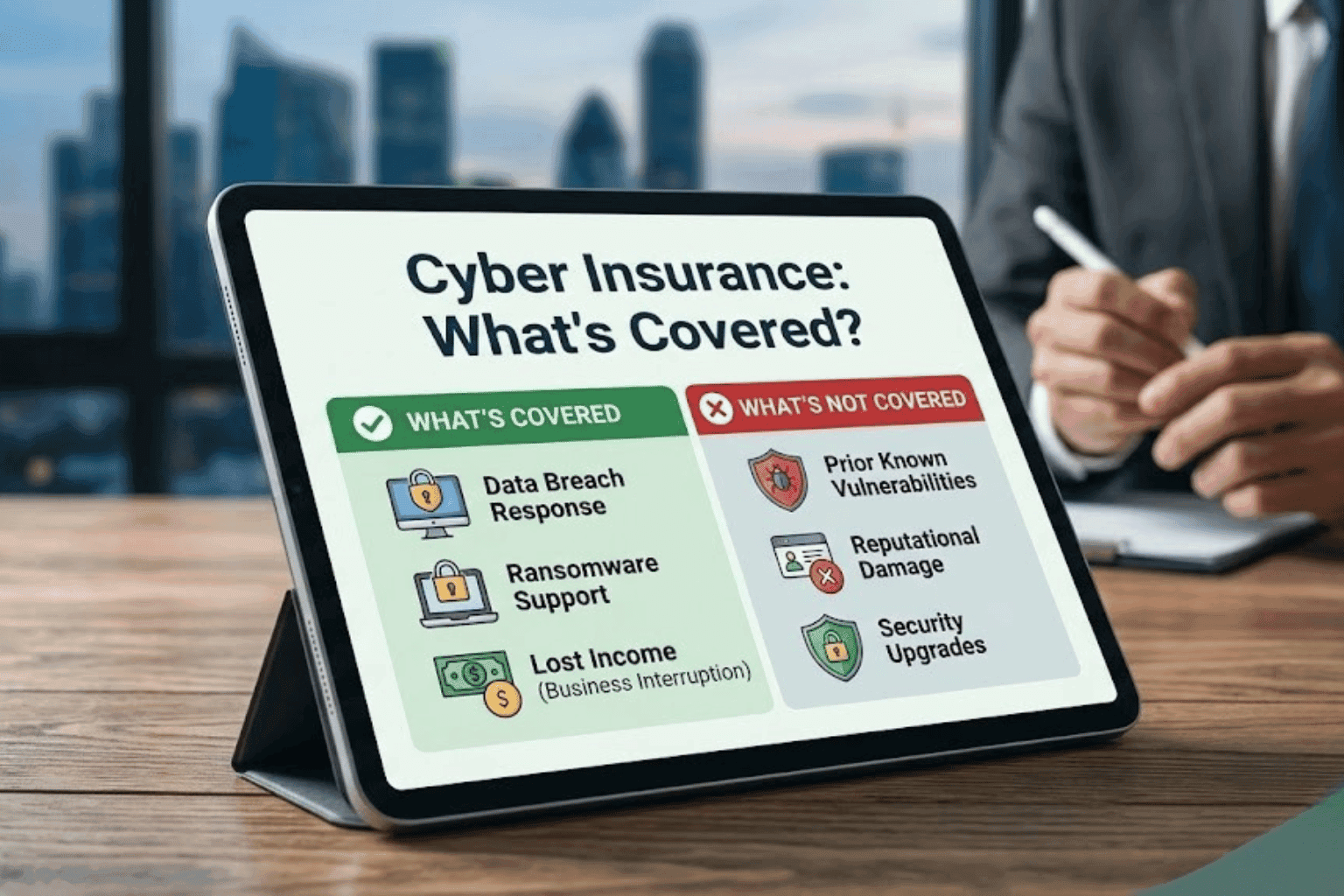
What Does Cyber Insurance Cover (and Not Cover)? Full Guide

How Much Is ATV Insurance? Average Costs and Factors
Le robaron sus herramientas de la camioneta. ¿Qué póliza realmente paga?

What Does an Umbrella Insurance Policy Cover? (And What It Doesn't)
How Much Does Flood Insurance Cost in Texas? (2026 Pricing Guide)
¿BOP o Responsabilidad Civil General? ¿Y necesitas alguno de los dos si no tienes empleados?
Deja que A-Z Auto Insurance te ayude a encontrar una cobertura asequible
Conéctate con nuestro equipo experimentado hoy y obtén un seguro confiable y asequible diseñado a tu medida.
¡Contáctanos!
Deje que A-Z Auto Insurance le ayude
A encontrar una cobertura asequible
Conéctate con nuestro equipo experimentado hoy y obtén un seguro confiable y asequible diseñado a tu medida.
¡Contáctanos!
Deja que A-Z Auto
Seguros te
ayude a encontrar cobertura asequible
Conéctate con nuestro equipo experimentado hoy y obtén un seguro confiable y asequible diseñado a tu medida.
¡Contáctanos!
Deje que A-Z Auto Insurance le ayude
A encontrar una cobertura asequible
Conéctate con nuestro equipo experimentado hoy y obtén un seguro confiable y asequible diseñado a tu medida.
¡Contáctanos!
Últimas noticias y blogs
Últimas noticias y blogs
Publicaciones de blog relacionadas
Publicaciones de blog relacionadas
Le robaron sus herramientas de la camioneta. ¿Qué póliza realmente paga?
La responsabilidad civil general cubre los bienes de otras personas. El seguro de auto comercial paga por la ventana rota, no por lo que había dentro. Esta es la póliza que realmente reemplaza tus herramientas.
Le robaron sus herramientas de la camioneta. ¿Qué póliza realmente paga?
La responsabilidad civil general cubre los bienes de otras personas. El seguro de auto comercial paga por la ventana rota, no por lo que había dentro. Esta es la póliza que realmente reemplaza tus herramientas.
Le robaron sus herramientas de la camioneta. ¿Qué póliza realmente paga?
La responsabilidad civil general cubre los bienes de otras personas. El seguro de auto comercial paga por la ventana rota, no por lo que había dentro. Esta es la póliza que realmente reemplaza tus herramientas.
What Does an Umbrella Insurance Policy Cover? (And What It Doesn't)
Wondering what does an umbrella insurance policy cover? See what's included what's excluded, and if you need extra liability protection.
What Does an Umbrella Insurance Policy Cover? (And What It Doesn't)
Wondering what does an umbrella insurance policy cover? See what's included what's excluded, and if you need extra liability protection.
What Does an Umbrella Insurance Policy Cover? (And What It Doesn't)
Wondering what does an umbrella insurance policy cover? See what's included what's excluded, and if you need extra liability protection.
How Much Does Flood Insurance Cost in Texas? (2026 Pricing Guide)
Wondering how much flood insurance costs in Texas? See average NFIP and private flood rates, what affects pricing, and how to save.
How Much Does Flood Insurance Cost in Texas? (2026 Pricing Guide)
Wondering how much flood insurance costs in Texas? See average NFIP and private flood rates, what affects pricing, and how to save.
How Much Does Flood Insurance Cost in Texas? (2026 Pricing Guide)
Wondering how much flood insurance costs in Texas? See average NFIP and private flood rates, what affects pricing, and how to save.
Le robaron sus herramientas de la camioneta. ¿Qué póliza realmente paga?
La responsabilidad civil general cubre los bienes de otras personas. El seguro de auto comercial paga por la ventana rota, no por lo que había dentro. Esta es la póliza que realmente reemplaza tus herramientas.
What Does an Umbrella Insurance Policy Cover? (And What It Doesn't)
Wondering what does an umbrella insurance policy cover? See what's included what's excluded, and if you need extra liability protection.