Soporte rápido de profesionales de seguros de confianza Llame +1 713-777-2886 hoy!
¡Llame hoy al +1 713-777-2886 para obtener un soporte profesional rápido!
¡Llame hoy al +1 713-777-2886 para obtener un soporte profesional rápido!


Tabla de Contenido
Título

Deje que AZ Insurance le ayude
a encontrar una cobertura asequible
Conéctate con nuestro equipo experimentado hoy y obtén un seguro confiable y asequible diseñado a tu medida.
¡Contáctanos!

Deja que A-Z Auto Insurance te ayude a encontrar una cobertura asequible
Conéctate con nuestro equipo experimentado hoy y obtén un seguro confiable y asequible diseñado a tu medida.
¡Contáctanos!
Cobertura, costos y requisitos del seguro de hotel: lo que los propietarios de Texas deben saber
Cobertura, costos y requisitos del seguro de hotel: lo que los propietarios de Texas deben saber
Cobertura, costos y requisitos del seguro de hotel: lo que los propietarios de Texas deben saber
Cobertura, costos y requisitos del seguro de hotel: lo que los propietarios de Texas deben saber
Cobertura, costos y requisitos del seguro de hotel: lo que los propietarios de Texas deben saber

Respuesta rápida: La cobertura de seguro de hotel es un paquete de pólizas comerciales — típicamente una póliza de propietario de negocio, responsabilidad civil general, propiedad comercial y compensación para trabajadores — diseñado para proteger a un negocio de hospedaje contra lesiones de huéspedes, daños a la propiedad y reclamos de empleados. El costo depende del tamaño de la propiedad, la ubicación y la nómina; además, los requisitos en Texas varían según la ciudad, el prestamista y el acuerdo de franquicia, en lugar de un único mandato estatal.
Un solo reclamo por resbalón y caída en el vestíbulo de un hotel puede ascender a seis cifras una vez que se suman las facturas médicas, los honorarios legales y la pérdida de ingresos del negocio. Esa es la realidad con la que viven los propietarios de hoteles todos los días, y es por eso que el "seguro de hotel" no es realmente una sola póliza, sino un conjunto de coberturas que funcionan juntas.
La mayoría de los propietarios se interesan en este tema después de un susto: la lesión de un huésped, una tubería rota en el tercer piso o un prestamista que solicita una prueba de cobertura antes de cerrar un préstamo. Si ese es su caso, no está solo. La hospitalidad es una de las industrias con más exposición a riesgos que existen, situándose en algún lugar entre el comercio minorista, el servicio de alimentos y la gestión de propiedades, razón por la cual una póliza genérica rara vez se adapta a sus necesidades.
¿Qué incluye realmente la cobertura de seguro de hotel?
Un programa de seguro de hotel es en realidad una combinación de varias líneas comerciales, no un solo certificado. La mayoría de las propiedades en Texas estructuran su protección en torno a una póliza de propietario de negocio, que agrupa la cobertura de propiedad y de responsabilidad civil en un solo plan, y luego añade capas de cobertura adicional donde los riesgos específicos del hotel lo requieran.
Así es como se ve un conjunto típico de seguros para hoteles:
Responsabilidad civil general — cubre lesiones de huéspedes, resbalones y caídas, y reclamos por daños a la propiedad de terceros
Propiedad comercial — protege el edificio, el mobiliario y el equipo contra incendios, tormentas y vandalismo
Interrupción de negocio — reemplaza los ingresos perdidos si la propiedad tiene que cerrar temporalmente después de una pérdida cubierta
Compensación para trabajadores — requerida en la mayoría de los casos una vez que un hotel tiene empleados en nómina
Responsabilidad por bebidas alcohólicas — necesaria si la propiedad opera un bar, salón o sirve alcohol en eventos
Auto comercial — cubre las camionetas de traslado o vehículos de cortesía propiedad del establecimiento
Responsabilidad cibernética — protege los datos de pago de los huéspedes y los sistemas de reserva contra filtraciones de información
Un hotel es un tipo de propiedad comercial de hospitalidad, y su programa de seguro funciona como un subconjunto de un seguro comercial más amplio, la misma categoría que cubre restaurantes, tiendas minoristas y oficinas, solo que adaptado a un mayor flujo de huéspedes y operaciones las 24 horas.
¿Por qué los hoteles enfrentan riesgos diferentes a los de un negocio pequeño típico?
Esto es lo que la mayoría de la gente pasa por alto: un hotel no es solo un edificio, es un negocio que alberga a extraños durante la noche, los alimenta, estaciona sus autos y a veces les sirve bebidas, todo bajo un mismo techo. Esa combinación de actividades crea un perfil de riesgo más amplio que casi cualquier otro tipo de propiedad comercial.
Imagine un hotel de tamaño mediano en Texas durante una tormenta de verano. El viento daña el techo, el auto de un huésped resulta dañado en el estacionamiento y el corte de energía obliga a un cierre de dos noches. Ese único evento puede afectar la cobertura de la propiedad, el seguro de auto comercial y la cobertura de interrupción de negocio al mismo tiempo, razón por la cual las pólizas de hotel rara vez se diseñan como una solución única para todos.
Las lesiones de los huéspedes siguen siendo el tipo de reclamo más frecuente en el sector de hospedaje, pero no son el único. Las lesiones de los empleados en los departamentos de limpieza y cocina son lo suficientemente comunes como para que el seguro de compensación para trabajadores se trate como una cobertura básica en lugar de un beneficio adicional para la mayoría de las propiedades en Texas con personal en nómina.
¿Cuánto cuesta el seguro de hotel en Texas?
Los precios varían más de lo que la mayoría de los propietarios esperan. Una propiedad boutique de 20 habitaciones en una ciudad más pequeña y un hotel de 150 habitaciones cerca de una zona metropolitana importante en Texas no tendrán una prima ni de cerca similar, incluso con límites de cobertura parecidos.
Los siguientes factores son los que más influyen en el costo:
Factor de costo | Cómo afecta a la prima |
Número de habitaciones / metros cuadrados | Más habitaciones = mayor exposición de propiedad y de responsabilidad civil |
Ubicación y riesgo de tormentas de viento | Las zonas costeras o propensas a tormentas suelen necesitar cobertura adicional para tormentas de viento |
Amenidades (alberca, bar, gimnasio) | Cada amenidad añade su propia exposición de responsabilidad civil |
Número de empleados y nómina | Afecta directamente al costo de la compensación para trabajadores |
Historial de reclamos | Los reclamos anteriores suelen aumentar las primas de renovación |
Antigüedad del edificio y construcción | Los edificios más antiguos pueden costar más para asegurar o reconstruir |
Ingresos y tasa de ocupación | Mayores ingresos aumentan la necesidad de cobertura por interrupción de negocio |
En la mayoría de los casos, una propiedad pequeña e independiente pagará notablemente menos que un hotel de servicio completo con restaurante, bar y espacio para banquetes; la cobertura de responsabilidad por bebidas alcohólicas y de eventos por sí sola puede modificar la prima de manera significativa. Sus resultados variarán según la cantidad de estos factores de riesgo que se acumulen, por lo que obtener una cotización personalizada es mejor que confiar en un promedio general de la industria.

¿Qué requisitos de seguro de hotel deben cumplir las propiedades en Texas?
Texas no publica una única "ley de seguro de hotel" de la misma manera que lo hace para los mínimos de responsabilidad de auto. En cambio, los requisitos provienen de una combinación de fuentes, y una propiedad generalmente debe satisfacer todos ellos a la vez.
Los prestamistas y acreedores hipotecarios casi siempre exigen pruebas de cobertura de propiedad comercial antes de financiar o renovar un préstamo
Los acuerdos de franquicia (si la propiedad opera bajo una marca de hotel) suelen establecer los límites mínimos de responsabilidad que el propietario debe mantener
Las leyes estatales y locales exigen una protección equivalente a la compensación para trabajadores para la mayoría de los empleadores con personal, además del cumplimiento bajo las pautas del Departamento de Seguros de Texas
Las propiedades costeras y propensas a tormentas de viento pueden necesitar una cobertura de tormentas de viento por separado a través de la Asociación de Seguros contra Tormentas de Viento de Texas si las pólizas de propiedad estándar la excluyen
Los permisos de alcohol emitidos por la Comisión de Bebidas Alcohólicas de Texas a menudo requieren tener registrada una prueba de cobertura de responsabilidad por bebidas alcohólicas
Un certificado de seguro es frecuentemente el documento que unifica todo esto; los prestamistas, auditores de la marca y proveedores de eventos por lo general solicitarán uno antes de firmar cualquier acuerdo.
Seguro de hotel frente a seguro comercial general: ¿Cuál es la diferencia?
El seguro de hotel se entiende mejor como un seguro comercial general con capas específicas para la hospitalidad agregadas en la parte superior, no como un producto completamente separado. Una póliza estándar para oficinas o comercios minoristas asume que las personas visitan durante las horas de trabajo y se van; una póliza de hotel asume que las personas duermen, comen y a veces beben en el lugar las 24 horas del día.
Esa diferencia se nota más claramente en tres áreas: responsabilidad por bebidas alcohólicas (poco común fuera de la hospitalidad y los salones de eventos), cobertura de propiedad de los huéspedes (que protege las pertenencias que se dejan en las habitaciones o en el servicio de valet) y la interrupción de negocio calculada en función de las tasas de ocupación en lugar de ingresos fijos. Una póliza de responsabilidad civil general por sí sola no cubrirá ninguna de esas brechas, por lo que los hoteles suelen necesitar un paquete más amplio diseñado a su medida.
¿Cómo pueden los propietarios de hoteles en Texas reducir sus costos de seguro sin recortar la cobertura?
Agrupar propiedad, responsabilidad civil y compensación para trabajadores en una sola póliza de propietario de negocio en lugar de comprar pólizas independientes por separado
Agregar cobertura paraguas en lugar de aumentar los límites de responsabilidad primaria, lo que suele ser el camino más económico para obtener una mayor protección
Invertir en sistemas de extinción de incendios, cámaras de seguridad y capacitación sobre seguridad para el personal; las aseguradoras con frecuencia recompensan la reducción documentada de riesgos
Revisar anualmente la cobertura de responsabilidad cibernética a medida que cambian los sistemas de reserva y los procesadores de pago
Trabajar con un agente local que pueda comparar compañías de seguros en lugar de aceptar la primera cotización de renovación
El error más común aquí, y es fácil cometerlo, es tratar el seguro como un trámite anual en lugar de una póliza que debería evolucionar con la ocupación, las renovaciones y los cambios de personal.
Preguntas frecuentes
P: ¿Qué es el seguro de hotel?
R: El seguro de hotel es un paquete de cobertura comercial — típicamente responsabilidad civil general, propiedad, compensación para trabajadores e interrupción de negocio — diseñado específicamente para proteger las propiedades de hospedaje contra reclamos relacionados con huéspedes, empleados y la propiedad.
P: ¿Cómo funciona el seguro de hotel?
R: Combina varias pólizas en un solo programa, a menudo respaldado por una póliza de propietario de negocio, de modo que las lesiones de huéspedes, los daños a la propiedad y la pérdida de ingresos por un cierre cubierto se manejen bajo una cobertura coordinada.
P: ¿Cuál es la diferencia entre el seguro de hotel y el seguro de responsabilidad civil general?
R: La responsabilidad civil general solo cubre reclamos por lesiones a terceros y daños a la propiedad de terceros. El seguro de hotel es más amplio, ya que añade cobertura de propiedad, compensación para trabajadores, interrupción de negocio y, a menudo, responsabilidad por bebidas alcohólicas a la responsabilidad civil general.
P: ¿Es obligatorio por ley el seguro de hotel en Texas?
R: No existe una única "ley de seguro de hotel" a nivel estatal, pero la cobertura equivalente a la compensación para trabajadores, el seguro de propiedad requerido por los prestamistas y los límites de responsabilidad exigidos por las franquicias se combinan para hacer que la cobertura sea prácticamente obligatoria para la mayoría de las propiedades en operación.
P: ¿Cuánto tiempo se tarda en obtener una cotización de seguro de hotel?
R: La mayoría de los agentes en Texas pueden entregar una cotización inicial en pocos días hábiles una vez que tienen los números de ocupación, los detalles de la nómina y la información del edificio, aunque la contratación final puede tardar más para propiedades más grandes o con mayores riesgos.
Cada hotel presenta un perfil de riesgo diferente, por lo que la cobertura adecuada realmente depende del tamaño, las amenidades y la ubicación de la propiedad. Si está diseñando un programa o revisando el que ya tiene, solicite una cotización o comuníquese con AZ Insurance para analizar lo que su hotel realmente necesita.
Respuesta rápida: La cobertura de seguro de hotel es un paquete de pólizas comerciales — típicamente una póliza de propietario de negocio, responsabilidad civil general, propiedad comercial y compensación para trabajadores — diseñado para proteger a un negocio de hospedaje contra lesiones de huéspedes, daños a la propiedad y reclamos de empleados. El costo depende del tamaño de la propiedad, la ubicación y la nómina; además, los requisitos en Texas varían según la ciudad, el prestamista y el acuerdo de franquicia, en lugar de un único mandato estatal.
Un solo reclamo por resbalón y caída en el vestíbulo de un hotel puede ascender a seis cifras una vez que se suman las facturas médicas, los honorarios legales y la pérdida de ingresos del negocio. Esa es la realidad con la que viven los propietarios de hoteles todos los días, y es por eso que el "seguro de hotel" no es realmente una sola póliza, sino un conjunto de coberturas que funcionan juntas.
La mayoría de los propietarios se interesan en este tema después de un susto: la lesión de un huésped, una tubería rota en el tercer piso o un prestamista que solicita una prueba de cobertura antes de cerrar un préstamo. Si ese es su caso, no está solo. La hospitalidad es una de las industrias con más exposición a riesgos que existen, situándose en algún lugar entre el comercio minorista, el servicio de alimentos y la gestión de propiedades, razón por la cual una póliza genérica rara vez se adapta a sus necesidades.
¿Qué incluye realmente la cobertura de seguro de hotel?
Un programa de seguro de hotel es en realidad una combinación de varias líneas comerciales, no un solo certificado. La mayoría de las propiedades en Texas estructuran su protección en torno a una póliza de propietario de negocio, que agrupa la cobertura de propiedad y de responsabilidad civil en un solo plan, y luego añade capas de cobertura adicional donde los riesgos específicos del hotel lo requieran.
Así es como se ve un conjunto típico de seguros para hoteles:
Responsabilidad civil general — cubre lesiones de huéspedes, resbalones y caídas, y reclamos por daños a la propiedad de terceros
Propiedad comercial — protege el edificio, el mobiliario y el equipo contra incendios, tormentas y vandalismo
Interrupción de negocio — reemplaza los ingresos perdidos si la propiedad tiene que cerrar temporalmente después de una pérdida cubierta
Compensación para trabajadores — requerida en la mayoría de los casos una vez que un hotel tiene empleados en nómina
Responsabilidad por bebidas alcohólicas — necesaria si la propiedad opera un bar, salón o sirve alcohol en eventos
Auto comercial — cubre las camionetas de traslado o vehículos de cortesía propiedad del establecimiento
Responsabilidad cibernética — protege los datos de pago de los huéspedes y los sistemas de reserva contra filtraciones de información
Un hotel es un tipo de propiedad comercial de hospitalidad, y su programa de seguro funciona como un subconjunto de un seguro comercial más amplio, la misma categoría que cubre restaurantes, tiendas minoristas y oficinas, solo que adaptado a un mayor flujo de huéspedes y operaciones las 24 horas.
¿Por qué los hoteles enfrentan riesgos diferentes a los de un negocio pequeño típico?
Esto es lo que la mayoría de la gente pasa por alto: un hotel no es solo un edificio, es un negocio que alberga a extraños durante la noche, los alimenta, estaciona sus autos y a veces les sirve bebidas, todo bajo un mismo techo. Esa combinación de actividades crea un perfil de riesgo más amplio que casi cualquier otro tipo de propiedad comercial.
Imagine un hotel de tamaño mediano en Texas durante una tormenta de verano. El viento daña el techo, el auto de un huésped resulta dañado en el estacionamiento y el corte de energía obliga a un cierre de dos noches. Ese único evento puede afectar la cobertura de la propiedad, el seguro de auto comercial y la cobertura de interrupción de negocio al mismo tiempo, razón por la cual las pólizas de hotel rara vez se diseñan como una solución única para todos.
Las lesiones de los huéspedes siguen siendo el tipo de reclamo más frecuente en el sector de hospedaje, pero no son el único. Las lesiones de los empleados en los departamentos de limpieza y cocina son lo suficientemente comunes como para que el seguro de compensación para trabajadores se trate como una cobertura básica en lugar de un beneficio adicional para la mayoría de las propiedades en Texas con personal en nómina.
¿Cuánto cuesta el seguro de hotel en Texas?
Los precios varían más de lo que la mayoría de los propietarios esperan. Una propiedad boutique de 20 habitaciones en una ciudad más pequeña y un hotel de 150 habitaciones cerca de una zona metropolitana importante en Texas no tendrán una prima ni de cerca similar, incluso con límites de cobertura parecidos.
Los siguientes factores son los que más influyen en el costo:
Factor de costo | Cómo afecta a la prima |
Número de habitaciones / metros cuadrados | Más habitaciones = mayor exposición de propiedad y de responsabilidad civil |
Ubicación y riesgo de tormentas de viento | Las zonas costeras o propensas a tormentas suelen necesitar cobertura adicional para tormentas de viento |
Amenidades (alberca, bar, gimnasio) | Cada amenidad añade su propia exposición de responsabilidad civil |
Número de empleados y nómina | Afecta directamente al costo de la compensación para trabajadores |
Historial de reclamos | Los reclamos anteriores suelen aumentar las primas de renovación |
Antigüedad del edificio y construcción | Los edificios más antiguos pueden costar más para asegurar o reconstruir |
Ingresos y tasa de ocupación | Mayores ingresos aumentan la necesidad de cobertura por interrupción de negocio |
En la mayoría de los casos, una propiedad pequeña e independiente pagará notablemente menos que un hotel de servicio completo con restaurante, bar y espacio para banquetes; la cobertura de responsabilidad por bebidas alcohólicas y de eventos por sí sola puede modificar la prima de manera significativa. Sus resultados variarán según la cantidad de estos factores de riesgo que se acumulen, por lo que obtener una cotización personalizada es mejor que confiar en un promedio general de la industria.
¿Qué requisitos de seguro de hotel deben cumplir las propiedades en Texas?
Texas no publica una única "ley de seguro de hotel" de la misma manera que lo hace para los mínimos de responsabilidad de auto. En cambio, los requisitos provienen de una combinación de fuentes, y una propiedad generalmente debe satisfacer todos ellos a la vez.
Los prestamistas y acreedores hipotecarios casi siempre exigen pruebas de cobertura de propiedad comercial antes de financiar o renovar un préstamo
Los acuerdos de franquicia (si la propiedad opera bajo una marca de hotel) suelen establecer los límites mínimos de responsabilidad que el propietario debe mantener
Las leyes estatales y locales exigen una protección equivalente a la compensación para trabajadores para la mayoría de los empleadores con personal, además del cumplimiento bajo las pautas del Departamento de Seguros de Texas
Las propiedades costeras y propensas a tormentas de viento pueden necesitar una cobertura de tormentas de viento por separado a través de la Asociación de Seguros contra Tormentas de Viento de Texas si las pólizas de propiedad estándar la excluyen
Los permisos de alcohol emitidos por la Comisión de Bebidas Alcohólicas de Texas a menudo requieren tener registrada una prueba de cobertura de responsabilidad por bebidas alcohólicas
Un certificado de seguro es frecuentemente el documento que unifica todo esto; los prestamistas, auditores de la marca y proveedores de eventos por lo general solicitarán uno antes de firmar cualquier acuerdo.
Seguro de hotel frente a seguro comercial general: ¿Cuál es la diferencia?
El seguro de hotel se entiende mejor como un seguro comercial general con capas específicas para la hospitalidad agregadas en la parte superior, no como un producto completamente separado. Una póliza estándar para oficinas o comercios minoristas asume que las personas visitan durante las horas de trabajo y se van; una póliza de hotel asume que las personas duermen, comen y a veces beben en el lugar las 24 horas del día.
Esa diferencia se nota más claramente en tres áreas: responsabilidad por bebidas alcohólicas (poco común fuera de la hospitalidad y los salones de eventos), cobertura de propiedad de los huéspedes (que protege las pertenencias que se dejan en las habitaciones o en el servicio de valet) y la interrupción de negocio calculada en función de las tasas de ocupación en lugar de ingresos fijos. Una póliza de responsabilidad civil general por sí sola no cubrirá ninguna de esas brechas, por lo que los hoteles suelen necesitar un paquete más amplio diseñado a su medida.
¿Cómo pueden los propietarios de hoteles en Texas reducir sus costos de seguro sin recortar la cobertura?
Agrupar propiedad, responsabilidad civil y compensación para trabajadores en una sola póliza de propietario de negocio en lugar de comprar pólizas independientes por separado
Agregar cobertura paraguas en lugar de aumentar los límites de responsabilidad primaria, lo que suele ser el camino más económico para obtener una mayor protección
Invertir en sistemas de extinción de incendios, cámaras de seguridad y capacitación sobre seguridad para el personal; las aseguradoras con frecuencia recompensan la reducción documentada de riesgos
Revisar anualmente la cobertura de responsabilidad cibernética a medida que cambian los sistemas de reserva y los procesadores de pago
Trabajar con un agente local que pueda comparar compañías de seguros en lugar de aceptar la primera cotización de renovación
El error más común aquí, y es fácil cometerlo, es tratar el seguro como un trámite anual en lugar de una póliza que debería evolucionar con la ocupación, las renovaciones y los cambios de personal.
Preguntas frecuentes
P: ¿Qué es el seguro de hotel?
R: El seguro de hotel es un paquete de cobertura comercial — típicamente responsabilidad civil general, propiedad, compensación para trabajadores e interrupción de negocio — diseñado específicamente para proteger las propiedades de hospedaje contra reclamos relacionados con huéspedes, empleados y la propiedad.
P: ¿Cómo funciona el seguro de hotel?
R: Combina varias pólizas en un solo programa, a menudo respaldado por una póliza de propietario de negocio, de modo que las lesiones de huéspedes, los daños a la propiedad y la pérdida de ingresos por un cierre cubierto se manejen bajo una cobertura coordinada.
P: ¿Cuál es la diferencia entre el seguro de hotel y el seguro de responsabilidad civil general?
R: La responsabilidad civil general solo cubre reclamos por lesiones a terceros y daños a la propiedad de terceros. El seguro de hotel es más amplio, ya que añade cobertura de propiedad, compensación para trabajadores, interrupción de negocio y, a menudo, responsabilidad por bebidas alcohólicas a la responsabilidad civil general.
P: ¿Es obligatorio por ley el seguro de hotel en Texas?
R: No existe una única "ley de seguro de hotel" a nivel estatal, pero la cobertura equivalente a la compensación para trabajadores, el seguro de propiedad requerido por los prestamistas y los límites de responsabilidad exigidos por las franquicias se combinan para hacer que la cobertura sea prácticamente obligatoria para la mayoría de las propiedades en operación.
P: ¿Cuánto tiempo se tarda en obtener una cotización de seguro de hotel?
R: La mayoría de los agentes en Texas pueden entregar una cotización inicial en pocos días hábiles una vez que tienen los números de ocupación, los detalles de la nómina y la información del edificio, aunque la contratación final puede tardar más para propiedades más grandes o con mayores riesgos.
Cada hotel presenta un perfil de riesgo diferente, por lo que la cobertura adecuada realmente depende del tamaño, las amenidades y la ubicación de la propiedad. Si está diseñando un programa o revisando el que ya tiene, solicite una cotización o comuníquese con AZ Insurance para analizar lo que su hotel realmente necesita.
Últimos Blogs
La responsabilidad civil general no pagará por un error. Qué cubre la responsabilidad profesional en Texas
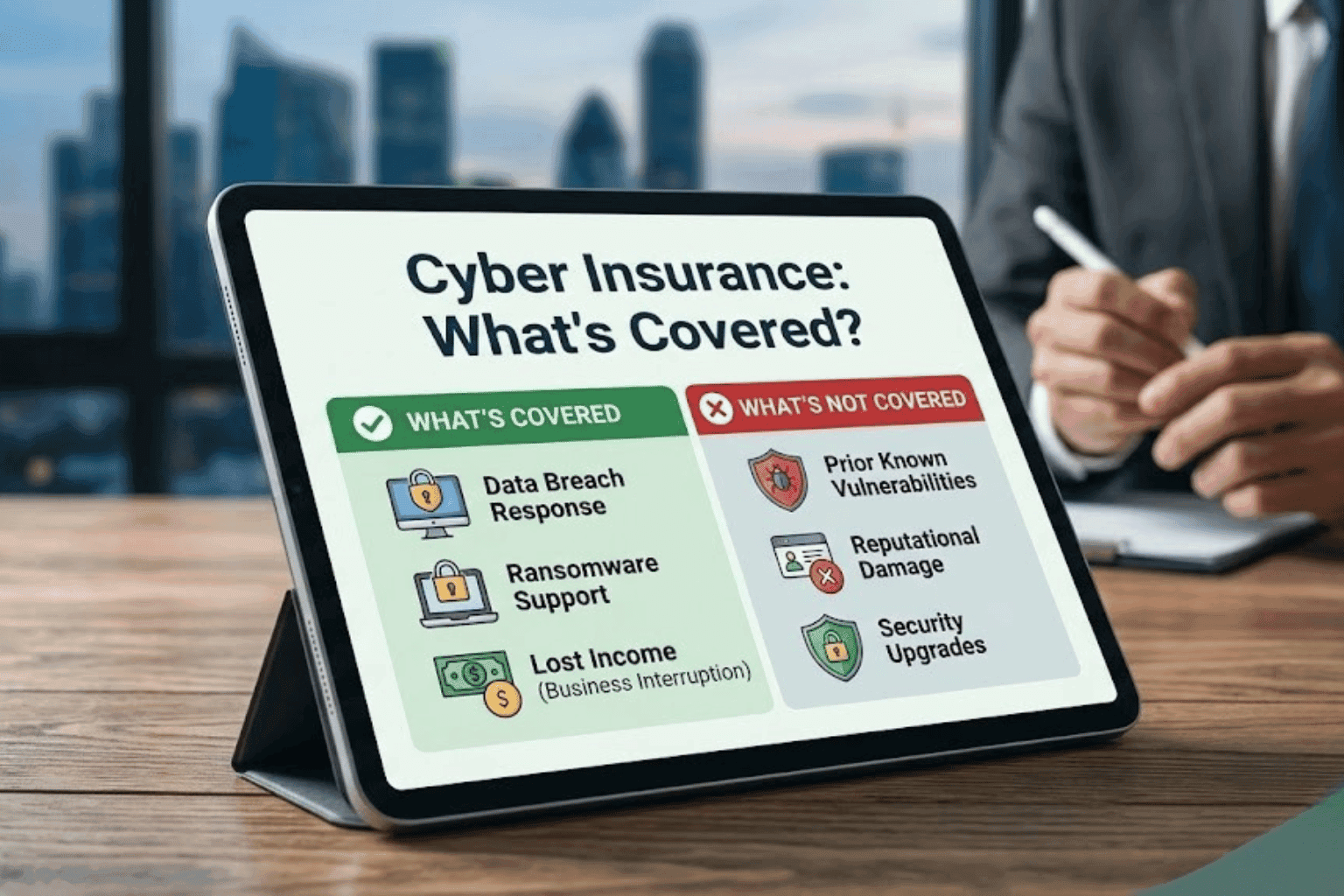
What Does Cyber Insurance Cover (and Not Cover)? Full Guide

How Much Is ATV Insurance? Average Costs and Factors
Le robaron sus herramientas de la camioneta. ¿Qué póliza realmente paga?

What Does an Umbrella Insurance Policy Cover? (And What It Doesn't)
How Much Does Flood Insurance Cost in Texas? (2026 Pricing Guide)
Deja que A-Z Auto Insurance te ayude a encontrar una cobertura asequible
Conéctate con nuestro equipo experimentado hoy y obtén un seguro confiable y asequible diseñado a tu medida.
¡Contáctanos!
Deje que A-Z Auto Insurance le ayude
A encontrar una cobertura asequible
Conéctate con nuestro equipo experimentado hoy y obtén un seguro confiable y asequible diseñado a tu medida.
¡Contáctanos!
Deja que A-Z Auto
Seguros te
ayude a encontrar cobertura asequible
Conéctate con nuestro equipo experimentado hoy y obtén un seguro confiable y asequible diseñado a tu medida.
¡Contáctanos!
Deje que A-Z Auto Insurance le ayude
A encontrar una cobertura asequible
Conéctate con nuestro equipo experimentado hoy y obtén un seguro confiable y asequible diseñado a tu medida.
¡Contáctanos!
Últimas noticias y blogs
Últimas noticias y blogs
Publicaciones de blog relacionadas
Publicaciones de blog relacionadas
How Much Is ATV Insurance? Average Costs and Factors
Learn how much ATV insurance costs, from liability to full coverage, plus the factors that affect your premium and ways to save. Visit now!
How Much Is ATV Insurance? Average Costs and Factors
Learn how much ATV insurance costs, from liability to full coverage, plus the factors that affect your premium and ways to save. Visit now!
How Much Is ATV Insurance? Average Costs and Factors
Learn how much ATV insurance costs, from liability to full coverage, plus the factors that affect your premium and ways to save. Visit now!
Le robaron sus herramientas de la camioneta. ¿Qué póliza realmente paga?
La responsabilidad civil general cubre los bienes de otras personas. El seguro de auto comercial paga por la ventana rota, no por lo que había dentro. Esta es la póliza que realmente reemplaza tus herramientas.
Le robaron sus herramientas de la camioneta. ¿Qué póliza realmente paga?
La responsabilidad civil general cubre los bienes de otras personas. El seguro de auto comercial paga por la ventana rota, no por lo que había dentro. Esta es la póliza que realmente reemplaza tus herramientas.
Le robaron sus herramientas de la camioneta. ¿Qué póliza realmente paga?
La responsabilidad civil general cubre los bienes de otras personas. El seguro de auto comercial paga por la ventana rota, no por lo que había dentro. Esta es la póliza que realmente reemplaza tus herramientas.
What Does an Umbrella Insurance Policy Cover? (And What It Doesn't)
Wondering what does an umbrella insurance policy cover? See what's included what's excluded, and if you need extra liability protection.
What Does an Umbrella Insurance Policy Cover? (And What It Doesn't)
Wondering what does an umbrella insurance policy cover? See what's included what's excluded, and if you need extra liability protection.
What Does an Umbrella Insurance Policy Cover? (And What It Doesn't)
Wondering what does an umbrella insurance policy cover? See what's included what's excluded, and if you need extra liability protection.
How Much Is ATV Insurance? Average Costs and Factors
Learn how much ATV insurance costs, from liability to full coverage, plus the factors that affect your premium and ways to save. Visit now!
Le robaron sus herramientas de la camioneta. ¿Qué póliza realmente paga?
La responsabilidad civil general cubre los bienes de otras personas. El seguro de auto comercial paga por la ventana rota, no por lo que había dentro. Esta es la póliza que realmente reemplaza tus herramientas.