Soporte rápido de profesionales de seguros de confianza Llame +1 713-777-2886 hoy!
¡Llame hoy al +1 713-777-2886 para obtener un soporte profesional rápido!
¡Llame hoy al +1 713-777-2886 para obtener un soporte profesional rápido!


Tabla de Contenido
Título

Deje que AZ Insurance le ayude
a encontrar una cobertura asequible
Conéctate con nuestro equipo experimentado hoy y obtén un seguro confiable y asequible diseñado a tu medida.
¡Contáctanos!
Deja que A-Z Auto Insurance te ayude a encontrar una cobertura asequible
Conéctate con nuestro equipo experimentado hoy y obtén un seguro confiable y asequible diseñado a tu medida.
¡Contáctanos!
What Is Gap Insurance and What Does It Cover? Do You Need It?
What Is Gap Insurance and What Does It Cover? Do You Need It?
What Is Gap Insurance and What Does It Cover? Do You Need It?
What Is Gap Insurance and What Does It Cover? Do You Need It?
What Is Gap Insurance and What Does It Cover? Do You Need It?

Quick Answer: Gap insurance covers the difference between what your car is worth and what you still owe on your loan or lease if the car is totaled or stolen. Your regular policy pays only the car's actual cash value, so gap insurance pays the remaining balance. You likely need it if you owe more than your car is worth.
New cars lose value fast, often around 20% or more in the first year. Car loans, on the other hand, are paid down slowly, especially if you made a small down payment or chose a 72- or 84-month loan. That leaves many drivers owing more than their car is worth. If the car is totaled or stolen during that time, the gap between the insurance payout and the loan balance comes out of your pocket.
That is exactly the problem gap insurance solves. So, what is gap insurance and what does it cover? It is optional coverage that pays off the difference between your car's value and your loan or lease balance after a total loss. This guide explains how it works with a real example, what it covers and doesn't cover, who needs it, how much it costs, and where to buy it for the best price.
How Gap Insurance Works
When your car is totaled or stolen, your collision or comprehensive coverage pays the car's actual cash value (ACV), meaning what it was worth right before the loss, minus your deductible. It does not pay what you paid for the car or what you still owe to it.
Gap insurance steps in after that payout and cover the remaining loan or lease balance, so you are not left making payments on a car you no longer have.
Gap Insurance Example: What You Could Still Owe:
Aisha in Sugar Land buys a new SUV for $38,000 with $1,000 down and a 72-month loan. Eight months later, it is totaled in a flood.
Without Gap Insurance | With Gap Insurance | |
Loan balance owed | $34,500 | $34,500 |
Car's actual cash value | $29,000 | $29,000 |
Comprehensive deductible | $500 | $500 |
Insurance payout | $28,500 | $28,500 |
Gap insurance payout | $0 | $6,000* |
Aisha still owes | $6,000 | $0 |
*Some gap policies also cover your deductible, while others don't. Check your policy terms.
Without gap insurance, Aisha would owe $6,000 on a flooded SUV while also needing a new car. With it, her loan is paid off.
What Happens If You Don't Have Gap Insurance?
If your car is totaled while you are upside down on the loan, your lender still expects the remaining balance to be paid. Your insurance check goes to the lender first, and you are responsible for whatever is left. That means paying off a car you can no longer drive while trying to buy or finance your next one. Some drivers roll that leftover balance into their next car loan, which starts the cycle of negative equity all over again. If you can't pay, the debt can go to collections and hurt your credit.
What Gap Insurance Covers and What It Doesn't
Gap coverage is narrow by design. It pays only in a total loss and only for the difference between the car's value and what you owe.
What Gap Insurance Typically Covers | What Gap Insurance Typically Doesn’t Cover |
Loan or lease balance above ACV after a total loss | Repairs when the car is not totaled |
Total loss from an accident | Your deductible (varies by policy) |
Total loss from theft | Overdue payments and late fees |
Total loss from flood, hail, or fire | Extended warranties or service contracts rolled into the loan |
Lease early-termination balance after a total loss | Rental car costs |
Negative equity limits: If you rolled an old loan into your new one, some gap policies cap what they pay based on a percentage of the car's value. Ask about this limit before you buy, especially if you traded in a car you still owed money on.
Gap insurance requires full coverage. Because gap pays after your collision or comprehensive claim, you need both coverage on the car for gap insurance to work.

What Is Gap Insurance and Do I Need It?
The simplest test is this: if you owe more on your car than it is worth today, you need gap insurance. You can check by comparing your loan payoff amount with your car's value on a site like Kelley Blue Book or Edmunds. Gap insurance is most valuable if any of these apply to you:
You put down less than 20%. Small down payments leave you upside down almost immediately.
Your loan is 60 months or longer. Longer loans pay down principal more slowly.
You rolled negative equity from a previous car into the loan. You started out owing more than the car is worth.
You are leasing. Most leases require gap coverage, and many include it in the lease payment. Check out your lease agreement before buying it separately.
Your car loses value quickly. Some models, including many luxury vehicles and EVs, depreciate faster than average.
You drive a lot of miles. High mileage lowers your car's value faster.
You probably don't need gap insurance if you put down 20% or more, choose a short loan term, paid cash, or already owe less than the car is worth.
How Much Does Gap Insurance Cost?
Where you buy gap coverage makes a big difference in what you pay.
Where You Buy It | Typical Cost | Things to Know |
About 20-60 per year added to your premium | Usually the cheapest option; easy to cancel when no longer needed | |
Car dealership | About 400-900+ one-time | Often rolled into your loan, so you also pay interest on it |
Bank or credit union lender | About 200-400 one-time | Often cheaper than the dealer; ask before you finance |
*Prices may vary based on your specific provider, coverage selections, driving/claims history, and other individual factors. The figures above are estimates only and are not a guarantee of your actual rate. *
At the dealership, a gap is often offered during the financing of paperwork, and it may be presented as required. It is optional, and you can usually buy it for less through your insurer. Not every insurance company offers gap coverage, and some only offer it on newer cars or to the original owner, so ask your agent before you sign up for the dealer.
When to Cancel Gap Insurance
Gap coverage only matters while you owe more than your car is worth. Once your loan balance drops below your car value, it no longer protects you, and you can drop it.
1. Check your loan payoff amount with your lender.
2. Look up your car's current value using a trusted pricing guide.
3. If the value is higher than the payoff, contact the company that sold you the gap coverage.
4. Ask for cancellation in writing and request any refund owed.
Getting a Refund
If you buy a gap through a dealer or lender and pay off the loan early, trade in the car, or sell it, you may be entitled to a prorated refund of the unused portion. If you bought it through your insurer, removing it simply lowers your future premium.
Gap Insurance in Texas: What to Know
Gap is not required by Texas law. It is optional coverage, though lenders and leasing companies can require it as a condition of your contract.
Dealer gap is often a "GAP waiver." In Texas, gap sold at the dealership is usually a debt cancellation or waiver added to your retail installment contract rather than an insurance policy. Read the terms carefully and keep a copy.
Flood risk makes the gap more valuable in Houston. Flooded cars are frequently declared total losses, which is exactly when gap coverage pays.
You still need at least Texas minimum liability of 30/60/25, plus collision and comprehensive gap to apply.
Gap Insurance vs. Other Car Coverages
Gap insurance is often confused with other add-ons that sound similar. Here is how they compare:
Coverage | What It Pays After a Total Loss | Best For |
Gap insurance | The difference between ACV and your loan or lease balance | Drivers who owe more than the car is worth |
Loan/lease payoff coverage | A capped amount above ACV, often up to 25% of the car's value | Drivers who want a limited, lower-cost version of gap |
New car replacement | The cost of a new car of the same make and model, not just ACV | Owners of brand-new cars within the first year or two |
Standard collision/comprehensive | Actual cash value minus your deductible | Every driver with a car worth insuring |
Loan/lease payoff coverage is offered by some insurers instead of true gap insurance. Because it is capped, it may not cover the full difference if you rolled over negative equity or made a very small down payment. New car replacement solves a different problem: it helps you get a comparable new car rather than paying off your loan. Some drivers with brand-new vehicles carry both.
How to File a Gap Insurance Claim
Gap claims happen after your main insurance claim is settled, so the process has two parts:
1. Report the accident or theft to your insurance company and, for theft or a crash with injuries, to the police.
2. File your collision or comprehensive claim and wait for the insurer to declare the car a total loss and set its actual cash value
3. Contact your gap provider, whether that's your insurer, dealer, or lender, and open a gap claim.
4. Submit the documents they request, usually the settlement letter, loan payoff statement, purchase or lease contract, and police report.
5. Keep making your loan payments until the gap claim is paid, so you don't get hit with late fees or credit damage.
6. Confirm with your lender in writing that the loan has been paid in full.
Tip: Keep a copy of your gap contract or policy with your car paperwork. Knowing your provider and policy number ahead of time speeds up the claim after a stressful loss.
Common Mistakes with Gap Insurance
Paying dealer prices without comparing. The same protection is often available through your insurer for much less.
Buy a gap when you already have it. Many leases include it, so check your contract first.
Forgetting to cancel. Once you owe less than the car is worth, you are paying coverage that can't pay you.
Assuming gap covers everything. It does not cover repairs, missed payments, or warranties rolled into the loan.
Dropping collision or comprehensive. Without them, gap insurance has nothing to build on and won't pay.
Frequently Asked Questions
What is gap insurance and what does it cover?
Gap insurance covers the difference between your car's actual cash value and what you still owe on your loan or lease if the car is totaled or stolen. It does not cover repairs, missed payments, or extended warranties.
What is gap insurance and do I need it?
You need gap insurance if you owe more on your car than it is worth. This is common if you put down less than 20%, have a loan of 60 months or longer, or roll negative equity into your loan.
Is gap insurance required in Texas?
No, Texas law does not require gap insurance. However, your lender or leasing company may require it as part of your contract.
Is it cheaper to buy gap insurance from my insurer or the dealer?
It is usually much cheaper through your car insurance company, often around $20 to $60 a year. The dealer gap is often several hundred dollars and may be rolled into your loan with interest.
Does gap insurance cover my deductible?
Some gap policies cover your deductible, and some don't. Check the policy terms or ask your agent before you buy them.
Can I add gap insurance after I buy a car?
Often yes, but many insurers only offer it within a certain time after purchasing or on newer vehicles. It's best to add it as soon as you buy or finance the car.
Get a Quote in Houston Today
Financing or leasing a car in Houston? AZ Insurance Agency can add affordable gap coverage to your auto policy and compare it against the dealer price, so you're protected without overpaying. Talk to a bilingual agent today. What is gap insurance and what does it cover? Learn how gap coverage pays off your car loan after a total loss, what it costs, and if you need it.
Quick Answer: Gap insurance covers the difference between what your car is worth and what you still owe on your loan or lease if the car is totaled or stolen. Your regular policy pays only the car's actual cash value, so gap insurance pays the remaining balance. You likely need it if you owe more than your car is worth.
New cars lose value fast, often around 20% or more in the first year. Car loans, on the other hand, are paid down slowly, especially if you made a small down payment or chose a 72- or 84-month loan. That leaves many drivers owing more than their car is worth. If the car is totaled or stolen during that time, the gap between the insurance payout and the loan balance comes out of your pocket.
That is exactly the problem gap insurance solves. So, what is gap insurance and what does it cover? It is optional coverage that pays off the difference between your car's value and your loan or lease balance after a total loss. This guide explains how it works with a real example, what it covers and doesn't cover, who needs it, how much it costs, and where to buy it for the best price.
How Gap Insurance Works
When your car is totaled or stolen, your collision or comprehensive coverage pays the car's actual cash value (ACV), meaning what it was worth right before the loss, minus your deductible. It does not pay what you paid for the car or what you still owe to it.
Gap insurance steps in after that payout and cover the remaining loan or lease balance, so you are not left making payments on a car you no longer have.
Gap Insurance Example: What You Could Still Owe:
Aisha in Sugar Land buys a new SUV for $38,000 with $1,000 down and a 72-month loan. Eight months later, it is totaled in a flood.
Without Gap Insurance | With Gap Insurance | |
Loan balance owed | $34,500 | $34,500 |
Car's actual cash value | $29,000 | $29,000 |
Comprehensive deductible | $500 | $500 |
Insurance payout | $28,500 | $28,500 |
Gap insurance payout | $0 | $6,000* |
Aisha still owes | $6,000 | $0 |
*Some gap policies also cover your deductible, while others don't. Check your policy terms.
Without gap insurance, Aisha would owe $6,000 on a flooded SUV while also needing a new car. With it, her loan is paid off.
What Happens If You Don't Have Gap Insurance?
If your car is totaled while you are upside down on the loan, your lender still expects the remaining balance to be paid. Your insurance check goes to the lender first, and you are responsible for whatever is left. That means paying off a car you can no longer drive while trying to buy or finance your next one. Some drivers roll that leftover balance into their next car loan, which starts the cycle of negative equity all over again. If you can't pay, the debt can go to collections and hurt your credit.
What Gap Insurance Covers and What It Doesn't
Gap coverage is narrow by design. It pays only in a total loss and only for the difference between the car's value and what you owe.
What Gap Insurance Typically Covers | What Gap Insurance Typically Doesn’t Cover |
Loan or lease balance above ACV after a total loss | Repairs when the car is not totaled |
Total loss from an accident | Your deductible (varies by policy) |
Total loss from theft | Overdue payments and late fees |
Total loss from flood, hail, or fire | Extended warranties or service contracts rolled into the loan |
Lease early-termination balance after a total loss | Rental car costs |
Negative equity limits: If you rolled an old loan into your new one, some gap policies cap what they pay based on a percentage of the car's value. Ask about this limit before you buy, especially if you traded in a car you still owed money on.
Gap insurance requires full coverage. Because gap pays after your collision or comprehensive claim, you need both coverage on the car for gap insurance to work.
What Is Gap Insurance and Do I Need It?
The simplest test is this: if you owe more on your car than it is worth today, you need gap insurance. You can check by comparing your loan payoff amount with your car's value on a site like Kelley Blue Book or Edmunds. Gap insurance is most valuable if any of these apply to you:
You put down less than 20%. Small down payments leave you upside down almost immediately.
Your loan is 60 months or longer. Longer loans pay down principal more slowly.
You rolled negative equity from a previous car into the loan. You started out owing more than the car is worth.
You are leasing. Most leases require gap coverage, and many include it in the lease payment. Check out your lease agreement before buying it separately.
Your car loses value quickly. Some models, including many luxury vehicles and EVs, depreciate faster than average.
You drive a lot of miles. High mileage lowers your car's value faster.
You probably don't need gap insurance if you put down 20% or more, choose a short loan term, paid cash, or already owe less than the car is worth.
How Much Does Gap Insurance Cost?
Where you buy gap coverage makes a big difference in what you pay.
Where You Buy It | Typical Cost | Things to Know |
About 20-60 per year added to your premium | Usually the cheapest option; easy to cancel when no longer needed | |
Car dealership | About 400-900+ one-time | Often rolled into your loan, so you also pay interest on it |
Bank or credit union lender | About 200-400 one-time | Often cheaper than the dealer; ask before you finance |
*Prices may vary based on your specific provider, coverage selections, driving/claims history, and other individual factors. The figures above are estimates only and are not a guarantee of your actual rate. *
At the dealership, a gap is often offered during the financing of paperwork, and it may be presented as required. It is optional, and you can usually buy it for less through your insurer. Not every insurance company offers gap coverage, and some only offer it on newer cars or to the original owner, so ask your agent before you sign up for the dealer.
When to Cancel Gap Insurance
Gap coverage only matters while you owe more than your car is worth. Once your loan balance drops below your car value, it no longer protects you, and you can drop it.
1. Check your loan payoff amount with your lender.
2. Look up your car's current value using a trusted pricing guide.
3. If the value is higher than the payoff, contact the company that sold you the gap coverage.
4. Ask for cancellation in writing and request any refund owed.
Getting a Refund
If you buy a gap through a dealer or lender and pay off the loan early, trade in the car, or sell it, you may be entitled to a prorated refund of the unused portion. If you bought it through your insurer, removing it simply lowers your future premium.
Gap Insurance in Texas: What to Know
Gap is not required by Texas law. It is optional coverage, though lenders and leasing companies can require it as a condition of your contract.
Dealer gap is often a "GAP waiver." In Texas, gap sold at the dealership is usually a debt cancellation or waiver added to your retail installment contract rather than an insurance policy. Read the terms carefully and keep a copy.
Flood risk makes the gap more valuable in Houston. Flooded cars are frequently declared total losses, which is exactly when gap coverage pays.
You still need at least Texas minimum liability of 30/60/25, plus collision and comprehensive gap to apply.
Gap Insurance vs. Other Car Coverages
Gap insurance is often confused with other add-ons that sound similar. Here is how they compare:
Coverage | What It Pays After a Total Loss | Best For |
Gap insurance | The difference between ACV and your loan or lease balance | Drivers who owe more than the car is worth |
Loan/lease payoff coverage | A capped amount above ACV, often up to 25% of the car's value | Drivers who want a limited, lower-cost version of gap |
New car replacement | The cost of a new car of the same make and model, not just ACV | Owners of brand-new cars within the first year or two |
Standard collision/comprehensive | Actual cash value minus your deductible | Every driver with a car worth insuring |
Loan/lease payoff coverage is offered by some insurers instead of true gap insurance. Because it is capped, it may not cover the full difference if you rolled over negative equity or made a very small down payment. New car replacement solves a different problem: it helps you get a comparable new car rather than paying off your loan. Some drivers with brand-new vehicles carry both.
How to File a Gap Insurance Claim
Gap claims happen after your main insurance claim is settled, so the process has two parts:
1. Report the accident or theft to your insurance company and, for theft or a crash with injuries, to the police.
2. File your collision or comprehensive claim and wait for the insurer to declare the car a total loss and set its actual cash value
3. Contact your gap provider, whether that's your insurer, dealer, or lender, and open a gap claim.
4. Submit the documents they request, usually the settlement letter, loan payoff statement, purchase or lease contract, and police report.
5. Keep making your loan payments until the gap claim is paid, so you don't get hit with late fees or credit damage.
6. Confirm with your lender in writing that the loan has been paid in full.
Tip: Keep a copy of your gap contract or policy with your car paperwork. Knowing your provider and policy number ahead of time speeds up the claim after a stressful loss.
Common Mistakes with Gap Insurance
Paying dealer prices without comparing. The same protection is often available through your insurer for much less.
Buy a gap when you already have it. Many leases include it, so check your contract first.
Forgetting to cancel. Once you owe less than the car is worth, you are paying coverage that can't pay you.
Assuming gap covers everything. It does not cover repairs, missed payments, or warranties rolled into the loan.
Dropping collision or comprehensive. Without them, gap insurance has nothing to build on and won't pay.
Frequently Asked Questions
What is gap insurance and what does it cover?
Gap insurance covers the difference between your car's actual cash value and what you still owe on your loan or lease if the car is totaled or stolen. It does not cover repairs, missed payments, or extended warranties.
What is gap insurance and do I need it?
You need gap insurance if you owe more on your car than it is worth. This is common if you put down less than 20%, have a loan of 60 months or longer, or roll negative equity into your loan.
Is gap insurance required in Texas?
No, Texas law does not require gap insurance. However, your lender or leasing company may require it as part of your contract.
Is it cheaper to buy gap insurance from my insurer or the dealer?
It is usually much cheaper through your car insurance company, often around $20 to $60 a year. The dealer gap is often several hundred dollars and may be rolled into your loan with interest.
Does gap insurance cover my deductible?
Some gap policies cover your deductible, and some don't. Check the policy terms or ask your agent before you buy them.
Can I add gap insurance after I buy a car?
Often yes, but many insurers only offer it within a certain time after purchasing or on newer vehicles. It's best to add it as soon as you buy or finance the car.
Get a Quote in Houston Today
Financing or leasing a car in Houston? AZ Insurance Agency can add affordable gap coverage to your auto policy and compare it against the dealer price, so you're protected without overpaying. Talk to a bilingual agent today. What is gap insurance and what does it cover? Learn how gap coverage pays off your car loan after a total loss, what it costs, and if you need it.
Últimos Blogs

What Is a Deductible in Car Insurance? A Simple Guide

Renovación de tu seguro de casa en Texas: 4 derechos que tienes en 2026 y qué solicitar
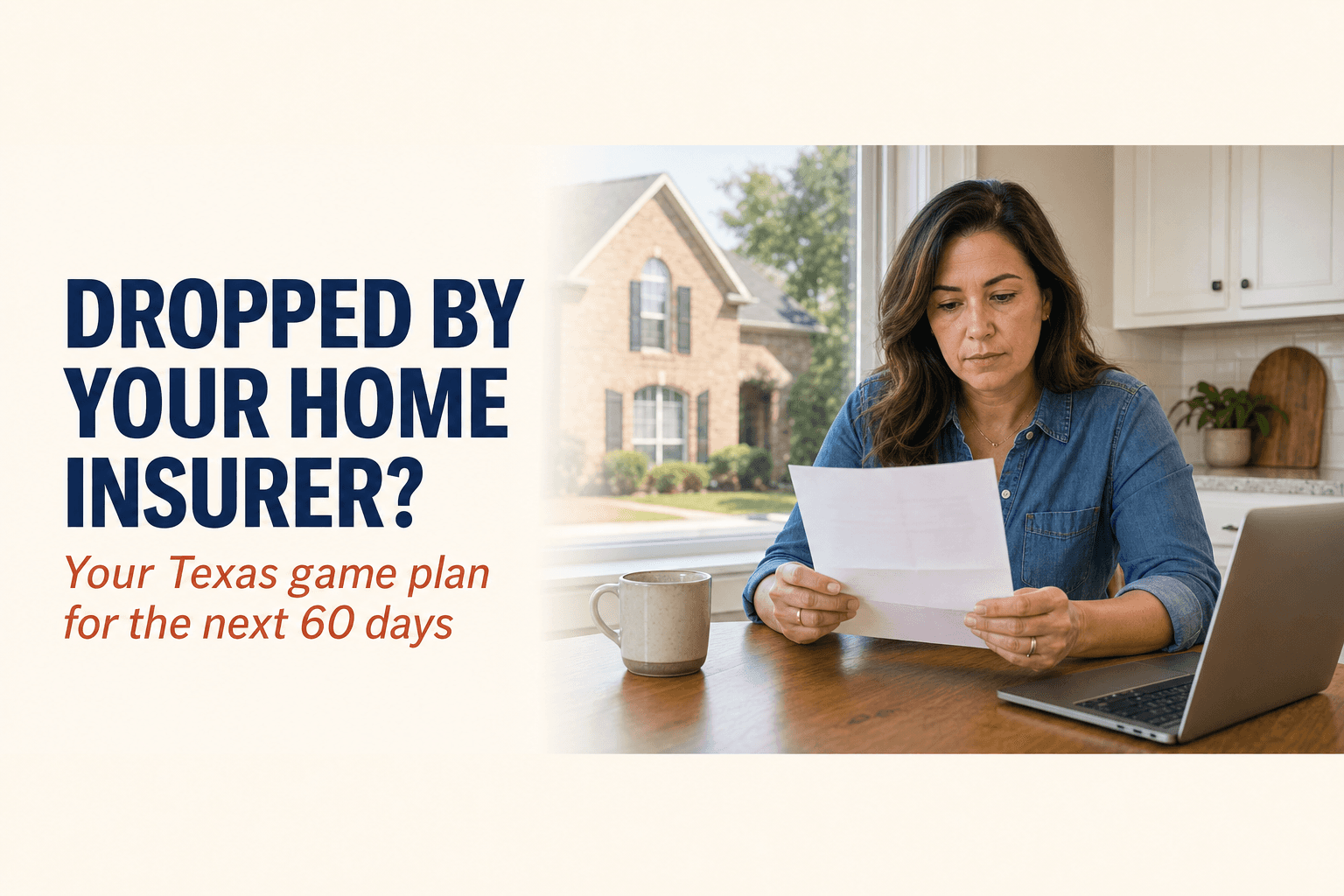
¿Le canceló su aseguradora de hogar en Texas? Lo que debe indicarle una notificación de no renovación y qué hacer en los próximos 60 días
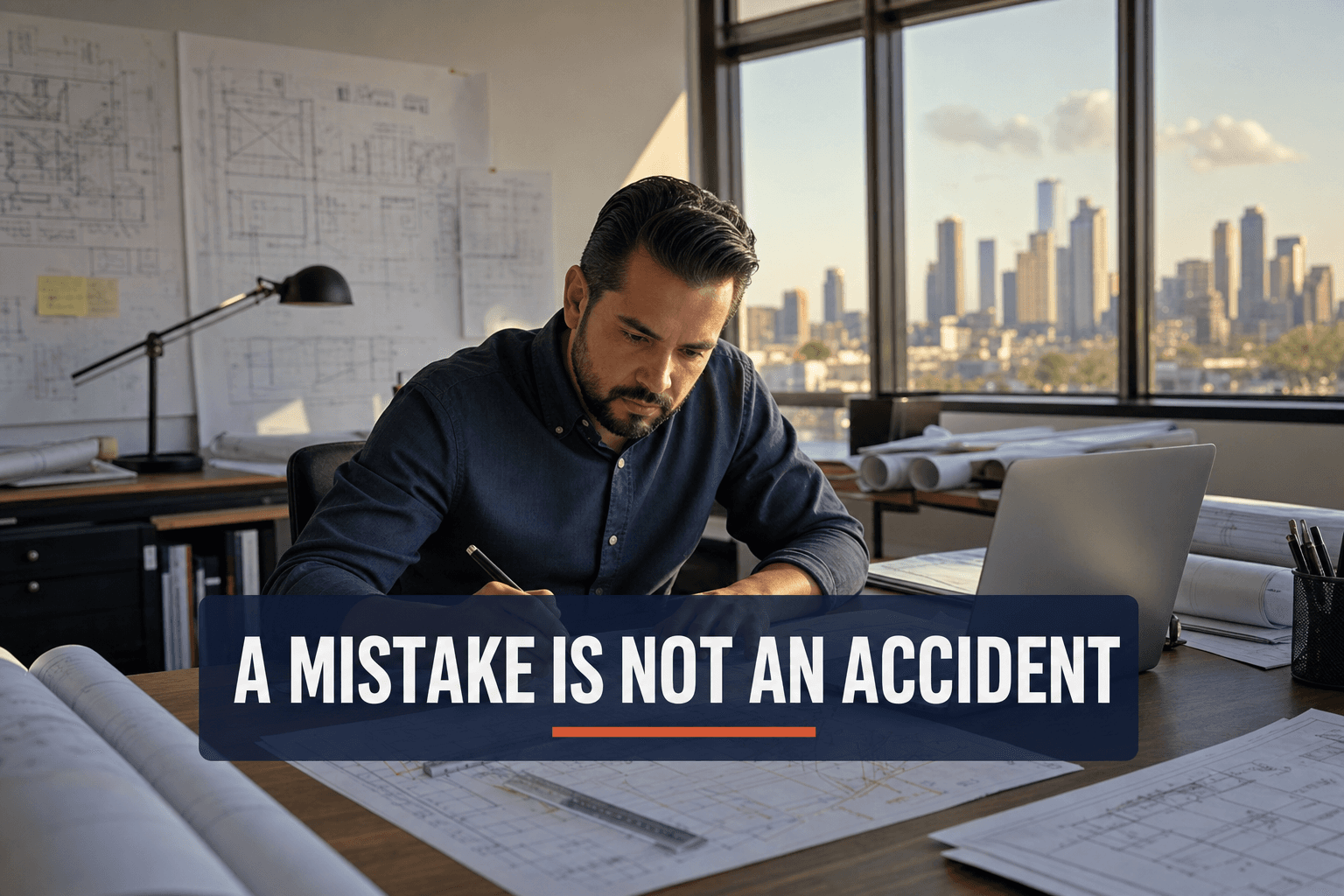
La responsabilidad civil general no pagará por un error. Qué cubre la responsabilidad profesional en Texas
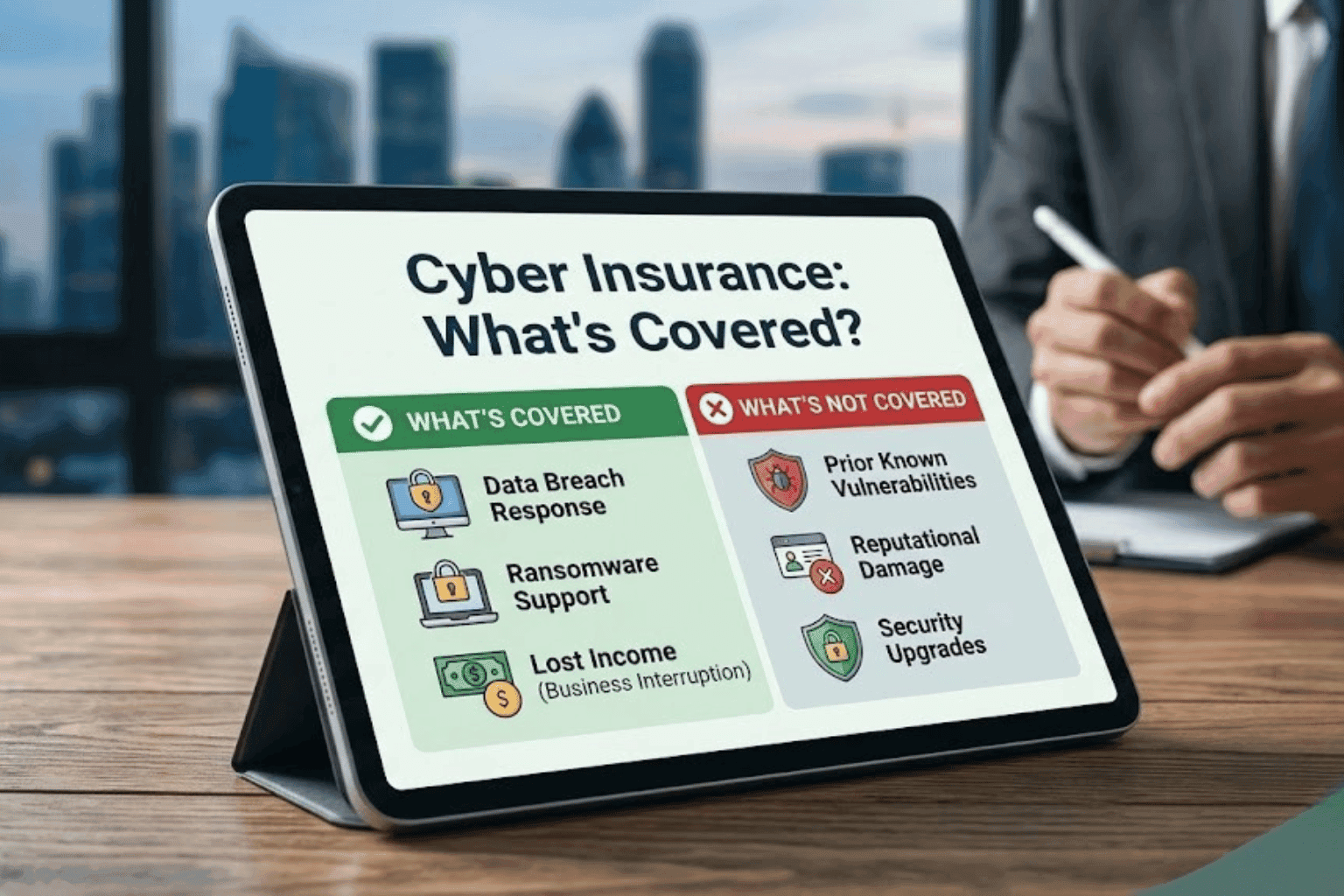
What Does Cyber Insurance Cover (and Not Cover)? Full Guide

How Much Is ATV Insurance? Average Costs and Factors
Deja que A-Z Auto Insurance te ayude a encontrar una cobertura asequible
Conéctate con nuestro equipo experimentado hoy y obtén un seguro confiable y asequible diseñado a tu medida.
¡Contáctanos!
Deje que A-Z Auto Insurance le ayude
A encontrar una cobertura asequible
Conéctate con nuestro equipo experimentado hoy y obtén un seguro confiable y asequible diseñado a tu medida.
¡Contáctanos!
Deja que A-Z Auto
Seguros te
ayude a encontrar cobertura asequible
Conéctate con nuestro equipo experimentado hoy y obtén un seguro confiable y asequible diseñado a tu medida.
¡Contáctanos!
Deje que A-Z Auto Insurance le ayude
A encontrar una cobertura asequible
Conéctate con nuestro equipo experimentado hoy y obtén un seguro confiable y asequible diseñado a tu medida.
¡Contáctanos!
Últimas noticias y blogs
Últimas noticias y blogs
Publicaciones de blog relacionadas
Publicaciones de blog relacionadas
¿Le canceló su aseguradora de hogar en Texas? Lo que debe indicarle una notificación de no renovación y qué hacer en los próximos 60 días
Got a nonrenewal letter on your Texas home? The 60 day rule, the 2026 written reason law, the claims that cannot count against you, and your next moves.
¿Le canceló su aseguradora de hogar en Texas? Lo que debe indicarle una notificación de no renovación y qué hacer en los próximos 60 días
Got a nonrenewal letter on your Texas home? The 60 day rule, the 2026 written reason law, the claims that cannot count against you, and your next moves.
¿Le canceló su aseguradora de hogar en Texas? Lo que debe indicarle una notificación de no renovación y qué hacer en los próximos 60 días
Got a nonrenewal letter on your Texas home? The 60 day rule, the 2026 written reason law, the claims that cannot count against you, and your next moves.
La responsabilidad civil general no pagará por un error. Qué cubre la responsabilidad profesional en Texas
Tus respuestas de responsabilidad civil general para una escalera caída, no para un mal consejo o un plano incorrecto. Aquí es donde se define el límite en Texas, y la regla que hace que demandar a un diseñador sea más difícil aquí.
La responsabilidad civil general no pagará por un error. Qué cubre la responsabilidad profesional en Texas
Tus respuestas de responsabilidad civil general para una escalera caída, no para un mal consejo o un plano incorrecto. Aquí es donde se define el límite en Texas, y la regla que hace que demandar a un diseñador sea más difícil aquí.
La responsabilidad civil general no pagará por un error. Qué cubre la responsabilidad profesional en Texas
Tus respuestas de responsabilidad civil general para una escalera caída, no para un mal consejo o un plano incorrecto. Aquí es donde se define el límite en Texas, y la regla que hace que demandar a un diseñador sea más difícil aquí.
What Does Cyber Insurance Cover (and Not Cover)? Full Guide
Not sure what does cyber insurance cover? See exactly what's included what's excluded, and whether your Texas business needs a policy.
What Does Cyber Insurance Cover (and Not Cover)? Full Guide
Not sure what does cyber insurance cover? See exactly what's included what's excluded, and whether your Texas business needs a policy.
What Does Cyber Insurance Cover (and Not Cover)? Full Guide
Not sure what does cyber insurance cover? See exactly what's included what's excluded, and whether your Texas business needs a policy.
¿Le canceló su aseguradora de hogar en Texas? Lo que debe indicarle una notificación de no renovación y qué hacer en los próximos 60 días
Got a nonrenewal letter on your Texas home? The 60 day rule, the 2026 written reason law, the claims that cannot count against you, and your next moves.
La responsabilidad civil general no pagará por un error. Qué cubre la responsabilidad profesional en Texas
Tus respuestas de responsabilidad civil general para una escalera caída, no para un mal consejo o un plano incorrecto. Aquí es donde se define el límite en Texas, y la regla que hace que demandar a un diseñador sea más difícil aquí.