Soporte rápido de profesionales de seguros de confianza Llame +1 713-777-2886 hoy!
¡Llame hoy al +1 713-777-2886 para obtener un soporte profesional rápido!


Tabla de Contenido
Título

Deje que AZ Insurance le ayude
a encontrar una cobertura asequible
Conéctate con nuestro equipo experimentado hoy y obtén un seguro confiable y asequible diseñado a tu medida.
¡Contáctanos!
Deja que A-Z Auto Insurance te ayude a encontrar una cobertura asequible
Conéctate con nuestro equipo experimentado hoy y obtén un seguro confiable y asequible diseñado a tu medida.
¡Contáctanos!
¿Cuál es el propósito principal de tener un seguro de auto?
¿Cuál es el propósito principal de tener un seguro de auto?
¿Cuál es el propósito principal de tener un seguro de auto?
¿Cuál es el propósito principal de tener un seguro de auto?
¿Cuál es el propósito principal de tener un seguro de auto?
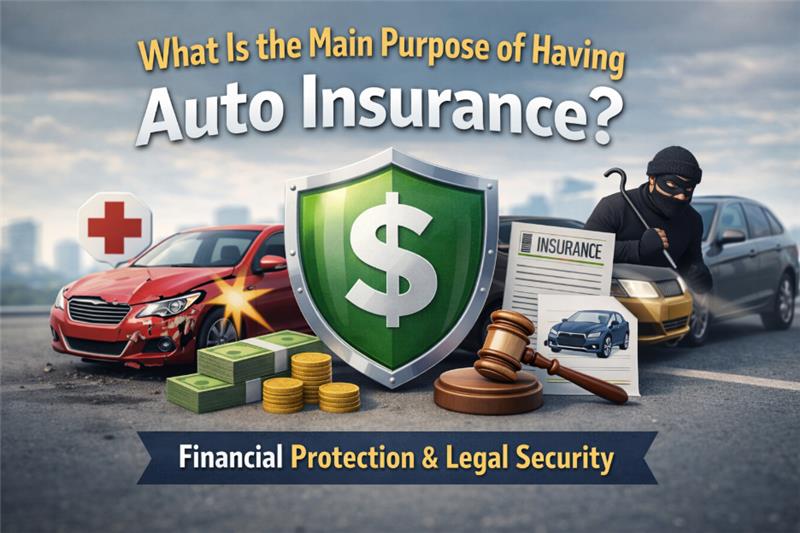
Respuesta rápida: El propósito principal del seguro de auto es protegerte financieramente cuando ocurren accidentes, robo o daños al vehículo. El seguro de auto transfiere el riesgo financiero de ti a una compañía de seguros, cubriendo costos que de otro modo podrían ascender a decenas de miles de dólares. También cumple con un requisito legal en casi todos los estados de EE. UU., asegurando que todos los conductores en la carretera tengan una capacidad básica para compensar a otros por el daño causado.
La mayoría de las personas compra seguro de auto porque tiene que hacerlo. Su estado lo exige, su prestamista lo pide, y conducir sin él se siente como tentar al destino. Pero el verdadero propósito de auto insurance va más allá del cumplimiento, y una vez que lo entiendes, dejas de ver tu prima como un gasto desperdiciado.
El propósito central del seguro de auto: protección financiera contra riesgos impredecibles
Aquí está lo que a la mayoría se le pasa por alto: el seguro de auto en realidad no se trata de tu auto. Se trata de proteger tu vida financiera.
Un solo accidente con culpa puede generar facturas médicas, honorarios legales y costos por daños a la propiedad que fácilmente alcanzan niveles devastadores. Sin seguro, esa responsabilidad cae directamente sobre ti: tus ahorros, tus ingresos, potencialmente tu casa. El propósito del seguro, en su sentido más fundamental, es la transferencia de riesgo. Pagas una prima predecible, para que la aseguradora absorba una pérdida catastrófica impredecible.
El Insurance Information Institute informa que el reclamo promedio por responsabilidad civil de auto por lesiones corporales asciende fácilmente a decenas de miles de dólares. Los reclamos por colisión y cobertura amplia suman mucho más. Estos no son escenarios extremos: ocurren todos los días en todas las carreteras.
El seguro de auto es un tipo de contrato de indemnización, lo que significa que está diseñado para devolverte a ti (o a la otra parte) a la posición financiera en la que estabas antes de la pérdida. No te hace ganar dinero. Te protege.
Qué cubre realmente el seguro de auto - Las cuatro funciones principales
El propósito del seguro de auto se divide en cuatro protecciones distintas, cada una abordando un tipo diferente de exposición financiera.
La cobertura de responsabilidad civil es la base de toda póliza. Paga por los daños y las lesiones que causas a otras personas cuando eres responsable. Esta es la cobertura que protege tus bienes de demandas. La responsabilidad por daños a la propiedad y la responsabilidad por lesiones corporales, juntas, forman el mínimo legal en la mayoría de los estados. Si no estás seguro de qué significan términos como estos, el glosario de AZ Insurance es un buen lugar para empezar.
La cobertura por colisión atiende el daño a tu propio vehículo después de un accidente, sin importar quién tuvo la culpa. Si le pegas por detrás a alguien o te chocan en un estacionamiento, la colisión paga las reparaciones menos tu deducible.
La cobertura amplia es la protección que necesitas cuando el accidente en realidad no es un "accidente": robo, granizo, inundación, un venado que se estrella contra tu puerta. Cubre daños causados por eventos fuera de la conducción normal.
La protección contra lesiones personales (PIP) y la cobertura para automovilistas sin seguro completan una póliza sólida. El PIP cubre tus gastos médicos sin importar quién causó el choque. La protección para automovilistas sin seguro entra en acción cuando el conductor responsable no tiene seguro, lo cual, según el Insurance Research Council, describe aproximadamente a 1 de cada 8 conductores estadounidenses.
Requisitos de seguro de auto en Texas
Si conduces en Texas, la ley estatal exige una cobertura mínima de responsabilidad conocida como 30/60/25. Esto es lo que significan esos números:
Cobertura | Mínimo en Texas | Qué cubre |
Lesiones corporales (por persona) | $30,000 | Costos médicos para una persona lesionada en un accidente que causes |
Lesiones corporales (por accidente) | $60,000 | Costos médicos totales para todas las partes lesionadas en un accidente |
Daños a la propiedad | $25,000 | Reparaciones al vehículo o propiedad de otra persona que dañes |
Conducir sin seguro en Texas es una infracción grave. Las sanciones incluyen:
Multas desde $175–$350 por una primera infracción, y hasta $1,000 para reincidencias
Suspensión de la licencia y del registro del vehículo
Un recargo anual de $250 durante tres años añadido a tu cuota de licencia
Responsabilidad personal total por cualquier daño o lesión que causes, sin aseguradora que absorba el costo
Texas también tiene una de las tasas más altas de conductores sin seguro del país: aproximadamente 1 de cada 5 conductores texanos no tiene seguro. Por eso agregar cobertura de automovilista sin seguro o con seguro insuficiente (UM/UIM) a tu póliza no solo es inteligente: es esencial en este estado. Si un conductor sin seguro te golpea y no cuentas con cobertura UM, tendrás que pagar de tu bolsillo tus propias lesiones y reparaciones.
Nota importante: los mínimos 30/60/25 de Texas son un piso legal, no una recomendación. Un solo accidente grave puede generar facturas médicas y costos legales que superan con creces estos límites. La mayoría de los profesionales de seguros recomiendan llevar al menos 100/300/100 en cobertura de responsabilidad para una protección financiera significativa.

El propósito legal del seguro de auto: por qué interviene el estado
Todos los estados de EE. UU., excepto New Hampshire, exigen alguna forma de seguro de auto, y aun así New Hampshire requiere que los conductores demuestren responsabilidad financiera. Esto no es una intromisión burocrática. Es un contrato social.
Cuando conduces, operas un vehículo potente que conlleva riesgos inherentes en la carretera. El propósito del seguro de auto obligatorio es asegurar que, si causas daño, exista un mecanismo para compensar a las víctimas, sin importar si tienes dinero en el banco. Los mínimos de responsabilidad varían según el estado, pero la lógica es la misma: proteger a la tercera parte inocente.
Y aquí es donde se pone interesante. El seguro de responsabilidad civil no protege al titular de la póliza: protege a todos los demás. Lo compras para que tu accidente no arruine la vida financiera de otra persona. Ese es un propósito cívico, no solo personal. Para los conductores que se preguntan si la cobertura sigue siendo necesaria incluso cuando un vehículo está parado, este desglose sobre si necesitas seguro de auto si no conduces responde exactamente esa pregunta.
Preguntas frecuentes
P: ¿Cuál es el propósito principal de tener seguro de auto?
R: El propósito principal es la protección financiera: para ti, tus pasajeros y otras personas en la carretera. Cubre costos de accidentes, robo y daños que de otro modo recaerían por completo en ti.
P: ¿El propósito del seguro de auto es diferente al de otros tipos de seguro?
R: El propósito fundamental del seguro es el mismo en todos los casos: transferir el riesgo financiero de una persona a una aseguradora. El seguro de auto aplica esto específicamente a riesgos relacionados con vehículos, como accidentes, responsabilidad civil y robo.
P: ¿El seguro de auto me cubre si alguien sin seguro me choca?
R: Sí, si cuentas con cobertura para automovilistas sin seguro. Por eso agregarla a tu póliza suele valer la pena por el costo adicional moderado.
P: ¿Qué pasa si conduzco sin cumplir legalmente con el requisito del seguro de auto? A: Conducir sin seguro te expone a suspensión de la licencia, multas y responsabilidad personal por cualquier costo de un accidente. En la mayoría de los estados, un solo accidente con culpa sin cobertura puede resultar en una demanda que te persiga durante años.
P: ¿Un deducible más alto cambia el propósito del seguro de auto?
R: No: el propósito sigue siendo el mismo. Un deducible más alto reduce tu prima, pero aumenta lo que pagas de tu bolsillo antes de que la cobertura se active. Es un intercambio, no un cambio de función. El seguro de auto existe porque una catástrofe financiera no avisa antes de que ocurra una colisión. El propósito del seguro de auto, ya sea que lo veas desde lo legal, lo financiero o lo social, es asegurarse de que un mal día en la carretera no se convierta en una crisis financiera que cambie tu vida.
P: ¿El seguro de auto comercial sirve para un propósito diferente al del seguro de auto personal?
R: Sí — y la diferencia importa más de lo que la mayoría de los conductores cree. El seguro de auto personal está diseñado para protegerte durante la conducción diaria: ir al trabajo, hacer mandados, viajes personales. El seguro de auto comercial está hecho para vehículos usados en el curso del negocio — transportar equipo, llevar empleados, visitar obras o hacer entregas. Si usas tu vehículo personal para trabajar y presentas un reclamo después de un accidente, tu aseguradora personal puede negarlo por uso comercial. El seguro de auto comercial cierra esa brecha. También ofrece límites de responsabilidad más altos, cobertura para varios conductores y la capacidad de emitir certificados de seguro — algo que las pólizas personales no pueden hacer. Si operas un negocio en Houston y cualquier vehículo forma parte de tus operaciones, el seguro de auto comercial no es opcional — es esencial.
Eso vale la pena entenderlo antes de comprar cobertura, no después de necesitarla. En AZ Insurance, hacemos que ese proceso sea simple. Ya sea que busques cobertura básica para auto, quieras explorar protección en carretera, o necesites una cotización rápida para ver tus opciones, nuestro equipo está listo para ayudarte a encontrar la opción adecuada. Con 15 sucursales en Houston y una reputación respaldada por clientes reales, AZ Insurance es donde la protección se encuentra con la tranquilidad. No esperes a lo inesperado - obtén cobertura hoy.
Respuesta rápida: El propósito principal del seguro de auto es protegerte financieramente cuando ocurren accidentes, robo o daños al vehículo. El seguro de auto transfiere el riesgo financiero de ti a una compañía de seguros, cubriendo costos que de otro modo podrían ascender a decenas de miles de dólares. También cumple con un requisito legal en casi todos los estados de EE. UU., asegurando que todos los conductores en la carretera tengan una capacidad básica para compensar a otros por el daño causado.
La mayoría de las personas compra seguro de auto porque tiene que hacerlo. Su estado lo exige, su prestamista lo pide, y conducir sin él se siente como tentar al destino. Pero el verdadero propósito de auto insurance va más allá del cumplimiento, y una vez que lo entiendes, dejas de ver tu prima como un gasto desperdiciado.
El propósito central del seguro de auto: protección financiera contra riesgos impredecibles
Aquí está lo que a la mayoría se le pasa por alto: el seguro de auto en realidad no se trata de tu auto. Se trata de proteger tu vida financiera.
Un solo accidente con culpa puede generar facturas médicas, honorarios legales y costos por daños a la propiedad que fácilmente alcanzan niveles devastadores. Sin seguro, esa responsabilidad cae directamente sobre ti: tus ahorros, tus ingresos, potencialmente tu casa. El propósito del seguro, en su sentido más fundamental, es la transferencia de riesgo. Pagas una prima predecible, para que la aseguradora absorba una pérdida catastrófica impredecible.
El Insurance Information Institute informa que el reclamo promedio por responsabilidad civil de auto por lesiones corporales asciende fácilmente a decenas de miles de dólares. Los reclamos por colisión y cobertura amplia suman mucho más. Estos no son escenarios extremos: ocurren todos los días en todas las carreteras.
El seguro de auto es un tipo de contrato de indemnización, lo que significa que está diseñado para devolverte a ti (o a la otra parte) a la posición financiera en la que estabas antes de la pérdida. No te hace ganar dinero. Te protege.
Qué cubre realmente el seguro de auto - Las cuatro funciones principales
El propósito del seguro de auto se divide en cuatro protecciones distintas, cada una abordando un tipo diferente de exposición financiera.
La cobertura de responsabilidad civil es la base de toda póliza. Paga por los daños y las lesiones que causas a otras personas cuando eres responsable. Esta es la cobertura que protege tus bienes de demandas. La responsabilidad por daños a la propiedad y la responsabilidad por lesiones corporales, juntas, forman el mínimo legal en la mayoría de los estados. Si no estás seguro de qué significan términos como estos, el glosario de AZ Insurance es un buen lugar para empezar.
La cobertura por colisión atiende el daño a tu propio vehículo después de un accidente, sin importar quién tuvo la culpa. Si le pegas por detrás a alguien o te chocan en un estacionamiento, la colisión paga las reparaciones menos tu deducible.
La cobertura amplia es la protección que necesitas cuando el accidente en realidad no es un "accidente": robo, granizo, inundación, un venado que se estrella contra tu puerta. Cubre daños causados por eventos fuera de la conducción normal.
La protección contra lesiones personales (PIP) y la cobertura para automovilistas sin seguro completan una póliza sólida. El PIP cubre tus gastos médicos sin importar quién causó el choque. La protección para automovilistas sin seguro entra en acción cuando el conductor responsable no tiene seguro, lo cual, según el Insurance Research Council, describe aproximadamente a 1 de cada 8 conductores estadounidenses.
Requisitos de seguro de auto en Texas
Si conduces en Texas, la ley estatal exige una cobertura mínima de responsabilidad conocida como 30/60/25. Esto es lo que significan esos números:
Cobertura | Mínimo en Texas | Qué cubre |
Lesiones corporales (por persona) | $30,000 | Costos médicos para una persona lesionada en un accidente que causes |
Lesiones corporales (por accidente) | $60,000 | Costos médicos totales para todas las partes lesionadas en un accidente |
Daños a la propiedad | $25,000 | Reparaciones al vehículo o propiedad de otra persona que dañes |
Conducir sin seguro en Texas es una infracción grave. Las sanciones incluyen:
Multas desde $175–$350 por una primera infracción, y hasta $1,000 para reincidencias
Suspensión de la licencia y del registro del vehículo
Un recargo anual de $250 durante tres años añadido a tu cuota de licencia
Responsabilidad personal total por cualquier daño o lesión que causes, sin aseguradora que absorba el costo
Texas también tiene una de las tasas más altas de conductores sin seguro del país: aproximadamente 1 de cada 5 conductores texanos no tiene seguro. Por eso agregar cobertura de automovilista sin seguro o con seguro insuficiente (UM/UIM) a tu póliza no solo es inteligente: es esencial en este estado. Si un conductor sin seguro te golpea y no cuentas con cobertura UM, tendrás que pagar de tu bolsillo tus propias lesiones y reparaciones.
Nota importante: los mínimos 30/60/25 de Texas son un piso legal, no una recomendación. Un solo accidente grave puede generar facturas médicas y costos legales que superan con creces estos límites. La mayoría de los profesionales de seguros recomiendan llevar al menos 100/300/100 en cobertura de responsabilidad para una protección financiera significativa.
El propósito legal del seguro de auto: por qué interviene el estado
Todos los estados de EE. UU., excepto New Hampshire, exigen alguna forma de seguro de auto, y aun así New Hampshire requiere que los conductores demuestren responsabilidad financiera. Esto no es una intromisión burocrática. Es un contrato social.
Cuando conduces, operas un vehículo potente que conlleva riesgos inherentes en la carretera. El propósito del seguro de auto obligatorio es asegurar que, si causas daño, exista un mecanismo para compensar a las víctimas, sin importar si tienes dinero en el banco. Los mínimos de responsabilidad varían según el estado, pero la lógica es la misma: proteger a la tercera parte inocente.
Y aquí es donde se pone interesante. El seguro de responsabilidad civil no protege al titular de la póliza: protege a todos los demás. Lo compras para que tu accidente no arruine la vida financiera de otra persona. Ese es un propósito cívico, no solo personal. Para los conductores que se preguntan si la cobertura sigue siendo necesaria incluso cuando un vehículo está parado, este desglose sobre si necesitas seguro de auto si no conduces responde exactamente esa pregunta.
Preguntas frecuentes
P: ¿Cuál es el propósito principal de tener seguro de auto?
R: El propósito principal es la protección financiera: para ti, tus pasajeros y otras personas en la carretera. Cubre costos de accidentes, robo y daños que de otro modo recaerían por completo en ti.
P: ¿El propósito del seguro de auto es diferente al de otros tipos de seguro?
R: El propósito fundamental del seguro es el mismo en todos los casos: transferir el riesgo financiero de una persona a una aseguradora. El seguro de auto aplica esto específicamente a riesgos relacionados con vehículos, como accidentes, responsabilidad civil y robo.
P: ¿El seguro de auto me cubre si alguien sin seguro me choca?
R: Sí, si cuentas con cobertura para automovilistas sin seguro. Por eso agregarla a tu póliza suele valer la pena por el costo adicional moderado.
P: ¿Qué pasa si conduzco sin cumplir legalmente con el requisito del seguro de auto? A: Conducir sin seguro te expone a suspensión de la licencia, multas y responsabilidad personal por cualquier costo de un accidente. En la mayoría de los estados, un solo accidente con culpa sin cobertura puede resultar en una demanda que te persiga durante años.
P: ¿Un deducible más alto cambia el propósito del seguro de auto?
R: No: el propósito sigue siendo el mismo. Un deducible más alto reduce tu prima, pero aumenta lo que pagas de tu bolsillo antes de que la cobertura se active. Es un intercambio, no un cambio de función. El seguro de auto existe porque una catástrofe financiera no avisa antes de que ocurra una colisión. El propósito del seguro de auto, ya sea que lo veas desde lo legal, lo financiero o lo social, es asegurarse de que un mal día en la carretera no se convierta en una crisis financiera que cambie tu vida.
P: ¿El seguro de auto comercial sirve para un propósito diferente al del seguro de auto personal?
R: Sí — y la diferencia importa más de lo que la mayoría de los conductores cree. El seguro de auto personal está diseñado para protegerte durante la conducción diaria: ir al trabajo, hacer mandados, viajes personales. El seguro de auto comercial está hecho para vehículos usados en el curso del negocio — transportar equipo, llevar empleados, visitar obras o hacer entregas. Si usas tu vehículo personal para trabajar y presentas un reclamo después de un accidente, tu aseguradora personal puede negarlo por uso comercial. El seguro de auto comercial cierra esa brecha. También ofrece límites de responsabilidad más altos, cobertura para varios conductores y la capacidad de emitir certificados de seguro — algo que las pólizas personales no pueden hacer. Si operas un negocio en Houston y cualquier vehículo forma parte de tus operaciones, el seguro de auto comercial no es opcional — es esencial.
Eso vale la pena entenderlo antes de comprar cobertura, no después de necesitarla. En AZ Insurance, hacemos que ese proceso sea simple. Ya sea que busques cobertura básica para auto, quieras explorar protección en carretera, o necesites una cotización rápida para ver tus opciones, nuestro equipo está listo para ayudarte a encontrar la opción adecuada. Con 15 sucursales en Houston y una reputación respaldada por clientes reales, AZ Insurance es donde la protección se encuentra con la tranquilidad. No esperes a lo inesperado - obtén cobertura hoy.
Últimos Blogs

¿Vas a comprar un auto en Houston? Qué seguro necesitas antes de salir del concesionario

Landscaping Insurance in Houston: The Three Gaps Your Personal Policy Leaves Open

Un reclamo por tormenta no puede aumentar la tarifa de su seguro de casa en Texas. Una tubería rota sí.

Una tormenta azota antes de tu renovación: el cronograma de reclamos en Texas y el nuevo derecho que tendrás en 2026

Su techo antes de la tormenta: las cuatro cosas que debe verificar en su póliza mientras todavía pueda

Cobertura de seguro de propiedad comercial explicada: Qué está protegido y qué no
Deja que A-Z Auto Insurance te ayude a encontrar una cobertura asequible
Conéctate con nuestro equipo experimentado hoy y obtén un seguro confiable y asequible diseñado a tu medida.
¡Contáctanos!
Deje que A-Z Auto Insurance le ayude
A encontrar una cobertura asequible
Conéctate con nuestro equipo experimentado hoy y obtén un seguro confiable y asequible diseñado a tu medida.
¡Contáctanos!
Deja que A-Z Auto
Seguros te
ayude a encontrar cobertura asequible
Conéctate con nuestro equipo experimentado hoy y obtén un seguro confiable y asequible diseñado a tu medida.
¡Contáctanos!
Deje que A-Z Auto Insurance le ayude
A encontrar una cobertura asequible
Conéctate con nuestro equipo experimentado hoy y obtén un seguro confiable y asequible diseñado a tu medida.
¡Contáctanos!
Últimas noticias y blogs
Últimas noticias y blogs
Publicaciones de blog relacionadas
Publicaciones de blog relacionadas
Un reclamo por tormenta no puede aumentar la tarifa de su seguro de casa en Texas. Una tubería rota sí.
La ley de Texas protege los reclamos por clima de los aumentos de tarifas y la no renovación. Los reclamos que cuentan en su contra son los de todos los días. Aquí está la línea exacta.
Un reclamo por tormenta no puede aumentar la tarifa de su seguro de casa en Texas. Una tubería rota sí.
La ley de Texas protege los reclamos por clima de los aumentos de tarifas y la no renovación. Los reclamos que cuentan en su contra son los de todos los días. Aquí está la línea exacta.
Un reclamo por tormenta no puede aumentar la tarifa de su seguro de casa en Texas. Una tubería rota sí.
La ley de Texas protege los reclamos por clima de los aumentos de tarifas y la no renovación. Los reclamos que cuentan en su contra son los de todos los días. Aquí está la línea exacta.
Una tormenta azota antes de tu renovación: el cronograma de reclamos en Texas y el nuevo derecho que tendrás en 2026
Los plazos que debe cumplir su aseguradora de Texas en una reclamación por tormenta, el derecho de tasación añadido para 2026 y el efecto que tiene una reclamación en su renovación en Fort Bend.
Una tormenta azota antes de tu renovación: el cronograma de reclamos en Texas y el nuevo derecho que tendrás en 2026
Los plazos que debe cumplir su aseguradora de Texas en una reclamación por tormenta, el derecho de tasación añadido para 2026 y el efecto que tiene una reclamación en su renovación en Fort Bend.
Una tormenta azota antes de tu renovación: el cronograma de reclamos en Texas y el nuevo derecho que tendrás en 2026
Los plazos que debe cumplir su aseguradora de Texas en una reclamación por tormenta, el derecho de tasación añadido para 2026 y el efecto que tiene una reclamación en su renovación en Fort Bend.
Su techo antes de la tormenta: las cuatro cosas que debe verificar en su póliza mientras todavía pueda
Cuatro cosas que debe revisar en su póliza de seguro de hogar en Texas antes de una tormenta: base de liquidación, porcentaje de deducible, programa de antigüedad del techo y daños estéticos.
Su techo antes de la tormenta: las cuatro cosas que debe verificar en su póliza mientras todavía pueda
Cuatro cosas que debe revisar en su póliza de seguro de hogar en Texas antes de una tormenta: base de liquidación, porcentaje de deducible, programa de antigüedad del techo y daños estéticos.
Su techo antes de la tormenta: las cuatro cosas que debe verificar en su póliza mientras todavía pueda
Cuatro cosas que debe revisar en su póliza de seguro de hogar en Texas antes de una tormenta: base de liquidación, porcentaje de deducible, programa de antigüedad del techo y daños estéticos.
Un reclamo por tormenta no puede aumentar la tarifa de su seguro de casa en Texas. Una tubería rota sí.
La ley de Texas protege los reclamos por clima de los aumentos de tarifas y la no renovación. Los reclamos que cuentan en su contra son los de todos los días. Aquí está la línea exacta.
Una tormenta azota antes de tu renovación: el cronograma de reclamos en Texas y el nuevo derecho que tendrás en 2026
Los plazos que debe cumplir su aseguradora de Texas en una reclamación por tormenta, el derecho de tasación añadido para 2026 y el efecto que tiene una reclamación en su renovación en Fort Bend.