Soporte rápido de profesionales de seguros de confianza Llame +1 713-777-2886 hoy!
¡Llame hoy al +1 713-777-2886 para obtener un soporte profesional rápido!
¡Llame hoy al +1 713-777-2886 para obtener un soporte profesional rápido!


Tabla de Contenido
Título

Deje que AZ Insurance le ayude
a encontrar una cobertura asequible
Conéctate con nuestro equipo experimentado hoy y obtén un seguro confiable y asequible diseñado a tu medida.
¡Contáctanos!
Deja que A-Z Auto Insurance te ayude a encontrar una cobertura asequible
Conéctate con nuestro equipo experimentado hoy y obtén un seguro confiable y asequible diseñado a tu medida.
¡Contáctanos!
¿Qué cubre y qué no cubre el seguro para propietarios de vivienda?
¿Qué cubre y qué no cubre el seguro para propietarios de vivienda?
¿Qué cubre y qué no cubre el seguro para propietarios de vivienda?
¿Qué cubre y qué no cubre el seguro para propietarios de vivienda?
¿Qué cubre y qué no cubre el seguro para propietarios de vivienda?
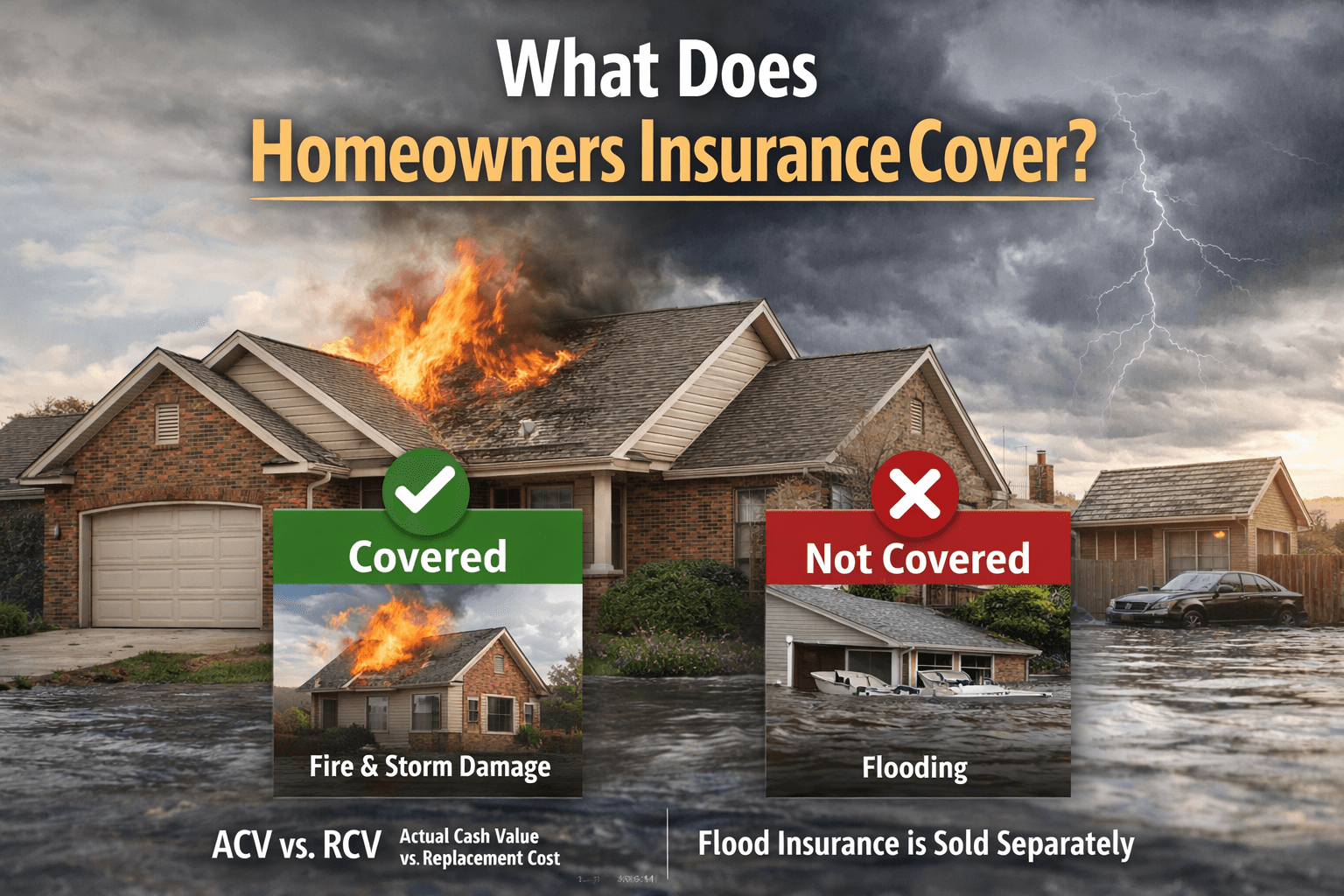
Si eres propietario de una casa en Texas, el seguro para propietarios de vivienda es una de las protecciones financieras más importantes que puedes tener. Pero a muchos propietarios les sorprende descubrir - a menudo en el peor momento posible - que su póliza no cubre lo que pensaban que cubría. Entonces, ¿qué cubre y qué no cubre exactamente el seguro para propietarios de vivienda?
En esta guía, lo desglosamos todo: qué suele incluir una póliza estándar para propietarios de vivienda, qué suele quedar excluido y cómo asegurarte de no quedarte con un gasto importante de tu bolsillo después de una pérdida.
¿Qué cubre el seguro para propietarios de vivienda?
Una póliza estándar de seguro para propietarios de vivienda - también llamada póliza HO-3 - normalmente cubre cuatro áreas principales:
1. Cobertura de la vivienda (Cobertura A)
Esto cubre la estructura física de tu casa - paredes, techos, pisos, electrodomésticos empotrados y estructuras adjuntas como un garaje. Si un evento cubierto daña tu casa, tu aseguradora pagará para repararla o reconstruirla hasta el límite de cobertura de la vivienda de tu póliza.
Los riesgos cubiertos normalmente incluyen:
Daños por incendio y humo
Caídas de rayos
Tormenta de viento y granizo
Explosiones
Vandalismo y actos maliciosos
Daños causados por vehículos o aeronaves
Peso del hielo, la nieve o el aguanieve
Daños súbitos y accidentales por agua provenientes de la plomería (no inundación)
2. Cobertura de otras estructuras (Cobertura B)
Esto cubre estructuras separadas en tu propiedad, como una cerca, un garaje separado, una bodega o una casa de huéspedes. La Cobertura B normalmente se establece en el 10% de tu límite de cobertura de la vivienda.
3. Cobertura de bienes personales (Cobertura C)
Incluso cuando no estás en casa, tus pertenencias personales - como muebles, electrónicos, ropa y electrodomésticos - están cubiertas si son robadas o dañadas por un riesgo cubierto. Recuerda que los bienes costosos, como joyas, obras de arte o coleccionables, podrían tener sublímites y necesitar un endoso diferente o una cobertura programada.
4. Protección de responsabilidad civil (Cobertura E)
La cobertura de responsabilidad civil ayuda a cubrir honorarios legales y daños si alguien resulta herido en tu propiedad, o si dañas sin querer la propiedad de otra persona. Para una mayor protección, muchos propietarios deciden aumentar el punto de partida de $100,000 de la mayoría de las pólizas estándar. Puedes obtener más información sobre cómo funciona la cobertura de responsabilidad civil visitando nuestra página de seguro de responsabilidad civil general.
5. Gastos de vida adicionales / Pérdida de uso (Cobertura D)
Si tu casa se vuelve inhabitable debido a una pérdida cubierta, esta cobertura paga vivienda temporal, comidas y otros gastos de vida adicionales mientras reparan tu casa.

¿Qué no cubre el seguro para propietarios de vivienda?
Aquí es donde muchos propietarios no están preparados. Las exclusiones más comunes del seguro para propietarios de vivienda son las siguientes:
Inundación: El agua que sube, las marejadas ciclónicas y los ríos desbordados no están cubiertos por el seguro estándar para propietarios de vivienda. Para los propietarios en Texas, especialmente en la región de Houston, esta es una de las exclusiones más importantes. Debes obtener una póliza separada de seguro contra inundación de una aseguradora privada o del Programa Nacional de Seguro contra Inundaciones (NFIP) para recibir cobertura contra inundación.
Terremotos y movimiento de tierra: Una póliza típica no cubre hundimiento del terreno, sumideros ni daños por terremoto. Es posible que necesites un endoso o póliza diferente contra terremotos si vives en un área con problemas de suelo o riesgo sísmico.
Problemas de mantenimiento y desgaste: El seguro para propietarios de vivienda no es una garantía de hogar. El deterioro gradual, techos envejecidos, moho por humedad a largo plazo, infestaciones de plagas (termitas, roedores) y reparaciones de mantenimiento rutinario están excluidos. El daño debe ser súbito y accidental - no el resultado de negligencia.
Respaldo de alcantarillado: Si una línea de alcantarillado se regresa y daña tu casa, las pólizas estándar normalmente excluyen esto. Sin embargo, muchas aseguradoras ofrecen un endoso por respaldo de alcantarillado que puede agregarse por una prima adicional relativamente pequeña - y realmente vale la pena.
Actividades comerciales en el hogar: Si tienes un negocio desde tu casa - ya sea una guardería, un negocio de contratista o una oficina en casa - los daños o la responsabilidad relacionados con ese negocio por lo general quedan excluidos de tu póliza de propietario. Necesitarías un endoso para negocio desde el hogar o una póliza comercial separada.
Artículos de alto valor (por encima de los sublímites): Joyas, bellas artes, coleccionables, armas y electrónicos a menudo tienen cobertura con sublímites (por ejemplo, $1,500 para joyas). Si el valor del artículo excede el sublímite, podrías estar significativamente subasegurado sin un endoso programado de propiedad personal.
Daño intencional: Cualquier daño que causes intencionalmente a tu propia propiedad está excluido. Además, las pérdidas derivadas de actos criminales cometidos por el asegurado por lo general no están cubiertas.
Consideraciones específicas para Texas para propietarios de vivienda
Vivir en Texas - y especialmente en el área de Houston - conlleva riesgos únicos que todo propietario debería entender:
Huracanes y tormentas de viento: Muchas pólizas costeras de Texas tienen un deducible separado por viento/granizo, que normalmente es un porcentaje de tu cobertura de la vivienda en lugar de una cantidad fija en dólares. Nuestra publicación sobre la preparación para la temporada de huracanes cubre esto con más detalle.
Inundaciones: Houston es una de las ciudades más propensas a inundaciones en EE. UU. Incluso si no estás en una zona de inundación designada, se recomienda ampliamente contratar seguro contra inundación.
Calor y sequía: El movimiento del suelo por calor extremo puede causar grietas en los cimientos - lo cual por lo general está excluido de las pólizas estándar.
Granizo: Texas encabeza la nación en reclamaciones por daños de granizo. Asegúrate de que tu póliza incluya cobertura por granizo y confirma si tu techo está asegurado con ACV (valor real en efectivo) o RCV (valor de costo de reposición).
Valor real en efectivo vs. valor de costo de reposición: ¿cuál es la diferencia?
Esta es una de las decisiones de cobertura más importantes que tomarás:
Valor real en efectivo (ACV): Paga lo que vale tu propiedad dañada en el momento de la pérdida - tomando en cuenta la depreciación. Un techo viejo o electrodomésticos envejecidos te pagarán significativamente menos.
Valor de costo de reposición (RCV): Paga lo que costaría reemplazar tu propiedad hoy con un equivalente nuevo - sin deducir depreciación. Esta es la mejor opción para la mayoría de los propietarios.
Siempre confirma cuál usa tu póliza, especialmente para tu techo y tus bienes personales. Puedes explorar términos relacionados en nuestro glosario de seguros si necesitas aclarar alguna terminología de cobertura.
Referencia rápida: Cubierto vs. No cubierto
Normalmente cubierto | Normalmente NO cubierto |
Daños por incendio y humo | Inundación (requiere póliza separada) |
Daños por rayos | Terremotos y movimiento de tierra |
Tormenta de viento y granizo | Respaldo de alcantarillado (necesita endoso) |
Robo y vandalismo | Daños por plagas (termitas, roedores) |
Responsabilidad civil personal | Desgaste, deterioro y mantenimiento |
Gastos de vivienda temporal | Artículos de alto valor por encima de los sublímites |
Daños accidentales por agua | Responsabilidad civil por negocio en casa |
Cómo asegurarte de estar debidamente cubierto
Aquí hay unos pasos para protegerte de vacíos en la cobertura:
Revisa tu póliza cada año - el valor de tu casa cambia, y tu cobertura también debería hacerlo.
Conoce tus deducibles - incluyendo cualquier deducible separado por viento/granizo si estás en una zona costera de Texas.
Considera un seguro contra inundación - especialmente en Houston, donde las inundaciones son un riesgo recurrente incluso fuera de las zonas de inundación.
Agrega endosos cuando sea necesario - respaldo de alcantarillado, propiedad personal programada y cobertura para negocio en casa son complementos relativamente accesibles.
Habla con un agente con licencia - no todas las pólizas son iguales, y un agente local que conozca Texas puede ayudarte a encontrar la opción adecuada.
Obtén una cotización de seguro para propietarios de vivienda en Houston
En A-Z Insurance Agency, ayudamos a los propietarios del área de Houston a entender su cobertura, cerrar las brechas y encontrar pólizas que realmente protejan lo que más importa. Ya sea que estés comprando tu primera casa o reevaluando tu póliza actual, nuestros agentes con licencia están aquí para ayudarte - en inglés y español.
Contáctanos hoy para una revisión o cotización gratuita de seguro para propietarios de vivienda. Con 15 oficinas en todo Houston, estamos justo en tu vecindario.
📍 aztexas.com | Visita cualquiera de nuestras 15 ubicaciones en Houston
Preguntas frecuentes
1. ¿El seguro para propietarios de vivienda cubre daños por inundación?
No. Los daños por inundación no están cubiertos por el seguro estándar para propietarios de vivienda. Necesitas una póliza separada contra inundación.
2. ¿Cuál es la diferencia entre ACV y RCV?
ACV paga el valor depreciado de los artículos, mientras que RCV paga el costo de reemplazarlos por otros nuevos. RCV ofrece una mejor cobertura.
3. ¿Los artículos valiosos como las joyas están totalmente cubiertos?
No siempre. Los artículos de alto valor a menudo tienen límites de cobertura, por lo que podrías necesitar un endoso adicional para una protección completa.
4. ¿Está cubierto el respaldo de alcantarillado?
No, no está incluido. Puedes agregar cobertura por respaldo de alcantarillado como un endoso opcional.
Si eres propietario de una casa en Texas, el seguro para propietarios de vivienda es una de las protecciones financieras más importantes que puedes tener. Pero a muchos propietarios les sorprende descubrir - a menudo en el peor momento posible - que su póliza no cubre lo que pensaban que cubría. Entonces, ¿qué cubre y qué no cubre exactamente el seguro para propietarios de vivienda?
En esta guía, lo desglosamos todo: qué suele incluir una póliza estándar para propietarios de vivienda, qué suele quedar excluido y cómo asegurarte de no quedarte con un gasto importante de tu bolsillo después de una pérdida.
¿Qué cubre el seguro para propietarios de vivienda?
Una póliza estándar de seguro para propietarios de vivienda - también llamada póliza HO-3 - normalmente cubre cuatro áreas principales:
1. Cobertura de la vivienda (Cobertura A)
Esto cubre la estructura física de tu casa - paredes, techos, pisos, electrodomésticos empotrados y estructuras adjuntas como un garaje. Si un evento cubierto daña tu casa, tu aseguradora pagará para repararla o reconstruirla hasta el límite de cobertura de la vivienda de tu póliza.
Los riesgos cubiertos normalmente incluyen:
Daños por incendio y humo
Caídas de rayos
Tormenta de viento y granizo
Explosiones
Vandalismo y actos maliciosos
Daños causados por vehículos o aeronaves
Peso del hielo, la nieve o el aguanieve
Daños súbitos y accidentales por agua provenientes de la plomería (no inundación)
2. Cobertura de otras estructuras (Cobertura B)
Esto cubre estructuras separadas en tu propiedad, como una cerca, un garaje separado, una bodega o una casa de huéspedes. La Cobertura B normalmente se establece en el 10% de tu límite de cobertura de la vivienda.
3. Cobertura de bienes personales (Cobertura C)
Incluso cuando no estás en casa, tus pertenencias personales - como muebles, electrónicos, ropa y electrodomésticos - están cubiertas si son robadas o dañadas por un riesgo cubierto. Recuerda que los bienes costosos, como joyas, obras de arte o coleccionables, podrían tener sublímites y necesitar un endoso diferente o una cobertura programada.
4. Protección de responsabilidad civil (Cobertura E)
La cobertura de responsabilidad civil ayuda a cubrir honorarios legales y daños si alguien resulta herido en tu propiedad, o si dañas sin querer la propiedad de otra persona. Para una mayor protección, muchos propietarios deciden aumentar el punto de partida de $100,000 de la mayoría de las pólizas estándar. Puedes obtener más información sobre cómo funciona la cobertura de responsabilidad civil visitando nuestra página de seguro de responsabilidad civil general.
5. Gastos de vida adicionales / Pérdida de uso (Cobertura D)
Si tu casa se vuelve inhabitable debido a una pérdida cubierta, esta cobertura paga vivienda temporal, comidas y otros gastos de vida adicionales mientras reparan tu casa.
¿Qué no cubre el seguro para propietarios de vivienda?
Aquí es donde muchos propietarios no están preparados. Las exclusiones más comunes del seguro para propietarios de vivienda son las siguientes:
Inundación: El agua que sube, las marejadas ciclónicas y los ríos desbordados no están cubiertos por el seguro estándar para propietarios de vivienda. Para los propietarios en Texas, especialmente en la región de Houston, esta es una de las exclusiones más importantes. Debes obtener una póliza separada de seguro contra inundación de una aseguradora privada o del Programa Nacional de Seguro contra Inundaciones (NFIP) para recibir cobertura contra inundación.
Terremotos y movimiento de tierra: Una póliza típica no cubre hundimiento del terreno, sumideros ni daños por terremoto. Es posible que necesites un endoso o póliza diferente contra terremotos si vives en un área con problemas de suelo o riesgo sísmico.
Problemas de mantenimiento y desgaste: El seguro para propietarios de vivienda no es una garantía de hogar. El deterioro gradual, techos envejecidos, moho por humedad a largo plazo, infestaciones de plagas (termitas, roedores) y reparaciones de mantenimiento rutinario están excluidos. El daño debe ser súbito y accidental - no el resultado de negligencia.
Respaldo de alcantarillado: Si una línea de alcantarillado se regresa y daña tu casa, las pólizas estándar normalmente excluyen esto. Sin embargo, muchas aseguradoras ofrecen un endoso por respaldo de alcantarillado que puede agregarse por una prima adicional relativamente pequeña - y realmente vale la pena.
Actividades comerciales en el hogar: Si tienes un negocio desde tu casa - ya sea una guardería, un negocio de contratista o una oficina en casa - los daños o la responsabilidad relacionados con ese negocio por lo general quedan excluidos de tu póliza de propietario. Necesitarías un endoso para negocio desde el hogar o una póliza comercial separada.
Artículos de alto valor (por encima de los sublímites): Joyas, bellas artes, coleccionables, armas y electrónicos a menudo tienen cobertura con sublímites (por ejemplo, $1,500 para joyas). Si el valor del artículo excede el sublímite, podrías estar significativamente subasegurado sin un endoso programado de propiedad personal.
Daño intencional: Cualquier daño que causes intencionalmente a tu propia propiedad está excluido. Además, las pérdidas derivadas de actos criminales cometidos por el asegurado por lo general no están cubiertas.
Consideraciones específicas para Texas para propietarios de vivienda
Vivir en Texas - y especialmente en el área de Houston - conlleva riesgos únicos que todo propietario debería entender:
Huracanes y tormentas de viento: Muchas pólizas costeras de Texas tienen un deducible separado por viento/granizo, que normalmente es un porcentaje de tu cobertura de la vivienda en lugar de una cantidad fija en dólares. Nuestra publicación sobre la preparación para la temporada de huracanes cubre esto con más detalle.
Inundaciones: Houston es una de las ciudades más propensas a inundaciones en EE. UU. Incluso si no estás en una zona de inundación designada, se recomienda ampliamente contratar seguro contra inundación.
Calor y sequía: El movimiento del suelo por calor extremo puede causar grietas en los cimientos - lo cual por lo general está excluido de las pólizas estándar.
Granizo: Texas encabeza la nación en reclamaciones por daños de granizo. Asegúrate de que tu póliza incluya cobertura por granizo y confirma si tu techo está asegurado con ACV (valor real en efectivo) o RCV (valor de costo de reposición).
Valor real en efectivo vs. valor de costo de reposición: ¿cuál es la diferencia?
Esta es una de las decisiones de cobertura más importantes que tomarás:
Valor real en efectivo (ACV): Paga lo que vale tu propiedad dañada en el momento de la pérdida - tomando en cuenta la depreciación. Un techo viejo o electrodomésticos envejecidos te pagarán significativamente menos.
Valor de costo de reposición (RCV): Paga lo que costaría reemplazar tu propiedad hoy con un equivalente nuevo - sin deducir depreciación. Esta es la mejor opción para la mayoría de los propietarios.
Siempre confirma cuál usa tu póliza, especialmente para tu techo y tus bienes personales. Puedes explorar términos relacionados en nuestro glosario de seguros si necesitas aclarar alguna terminología de cobertura.
Referencia rápida: Cubierto vs. No cubierto
Normalmente cubierto | Normalmente NO cubierto |
Daños por incendio y humo | Inundación (requiere póliza separada) |
Daños por rayos | Terremotos y movimiento de tierra |
Tormenta de viento y granizo | Respaldo de alcantarillado (necesita endoso) |
Robo y vandalismo | Daños por plagas (termitas, roedores) |
Responsabilidad civil personal | Desgaste, deterioro y mantenimiento |
Gastos de vivienda temporal | Artículos de alto valor por encima de los sublímites |
Daños accidentales por agua | Responsabilidad civil por negocio en casa |
Cómo asegurarte de estar debidamente cubierto
Aquí hay unos pasos para protegerte de vacíos en la cobertura:
Revisa tu póliza cada año - el valor de tu casa cambia, y tu cobertura también debería hacerlo.
Conoce tus deducibles - incluyendo cualquier deducible separado por viento/granizo si estás en una zona costera de Texas.
Considera un seguro contra inundación - especialmente en Houston, donde las inundaciones son un riesgo recurrente incluso fuera de las zonas de inundación.
Agrega endosos cuando sea necesario - respaldo de alcantarillado, propiedad personal programada y cobertura para negocio en casa son complementos relativamente accesibles.
Habla con un agente con licencia - no todas las pólizas son iguales, y un agente local que conozca Texas puede ayudarte a encontrar la opción adecuada.
Obtén una cotización de seguro para propietarios de vivienda en Houston
En A-Z Insurance Agency, ayudamos a los propietarios del área de Houston a entender su cobertura, cerrar las brechas y encontrar pólizas que realmente protejan lo que más importa. Ya sea que estés comprando tu primera casa o reevaluando tu póliza actual, nuestros agentes con licencia están aquí para ayudarte - en inglés y español.
Contáctanos hoy para una revisión o cotización gratuita de seguro para propietarios de vivienda. Con 15 oficinas en todo Houston, estamos justo en tu vecindario.
📍 aztexas.com | Visita cualquiera de nuestras 15 ubicaciones en Houston
Preguntas frecuentes
1. ¿El seguro para propietarios de vivienda cubre daños por inundación?
No. Los daños por inundación no están cubiertos por el seguro estándar para propietarios de vivienda. Necesitas una póliza separada contra inundación.
2. ¿Cuál es la diferencia entre ACV y RCV?
ACV paga el valor depreciado de los artículos, mientras que RCV paga el costo de reemplazarlos por otros nuevos. RCV ofrece una mejor cobertura.
3. ¿Los artículos valiosos como las joyas están totalmente cubiertos?
No siempre. Los artículos de alto valor a menudo tienen límites de cobertura, por lo que podrías necesitar un endoso adicional para una protección completa.
4. ¿Está cubierto el respaldo de alcantarillado?
No, no está incluido. Puedes agregar cobertura por respaldo de alcantarillado como un endoso opcional.
Últimos Blogs
La responsabilidad civil general no pagará por un error. Qué cubre la responsabilidad profesional en Texas
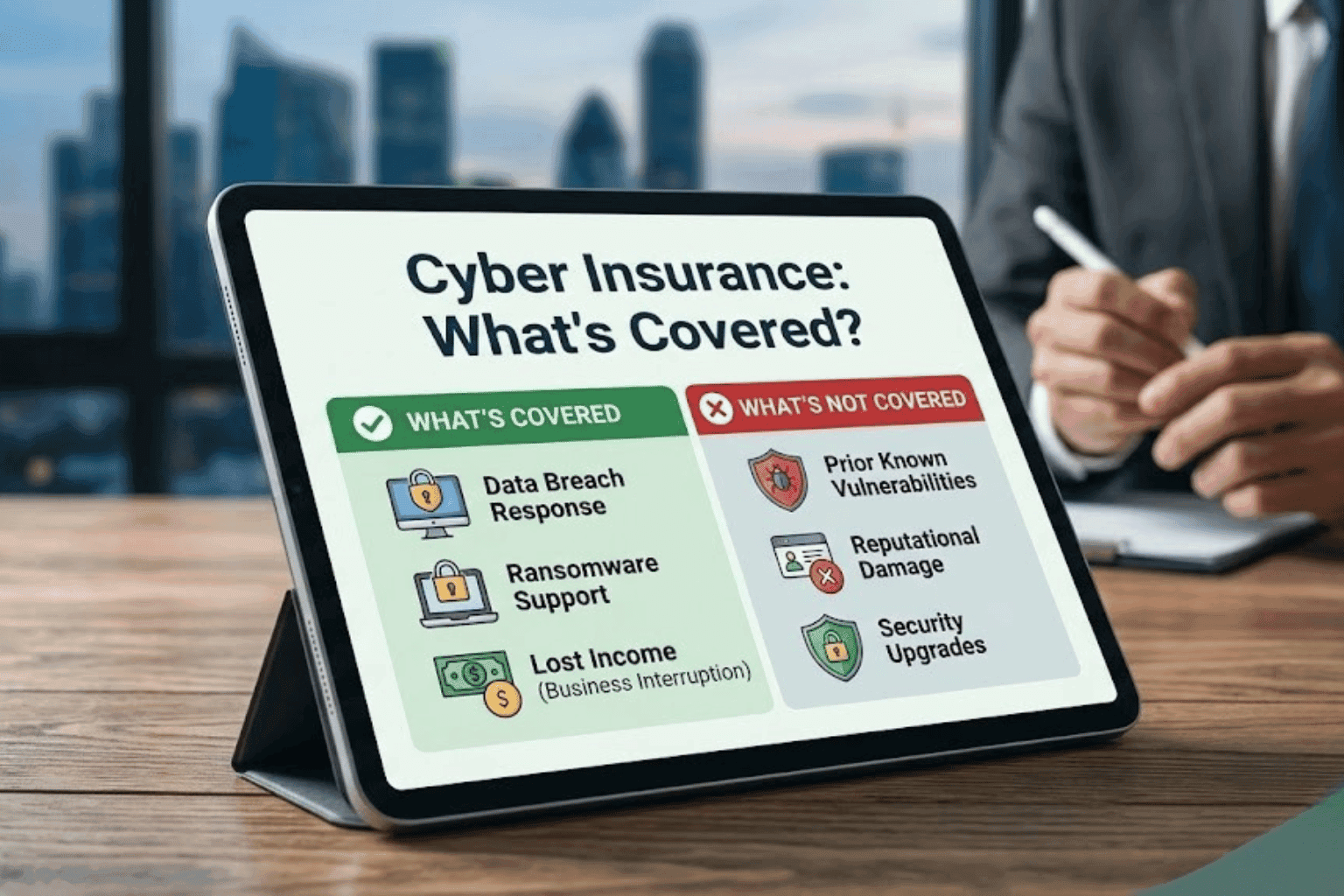
What Does Cyber Insurance Cover (and Not Cover)? Full Guide

How Much Is ATV Insurance? Average Costs and Factors
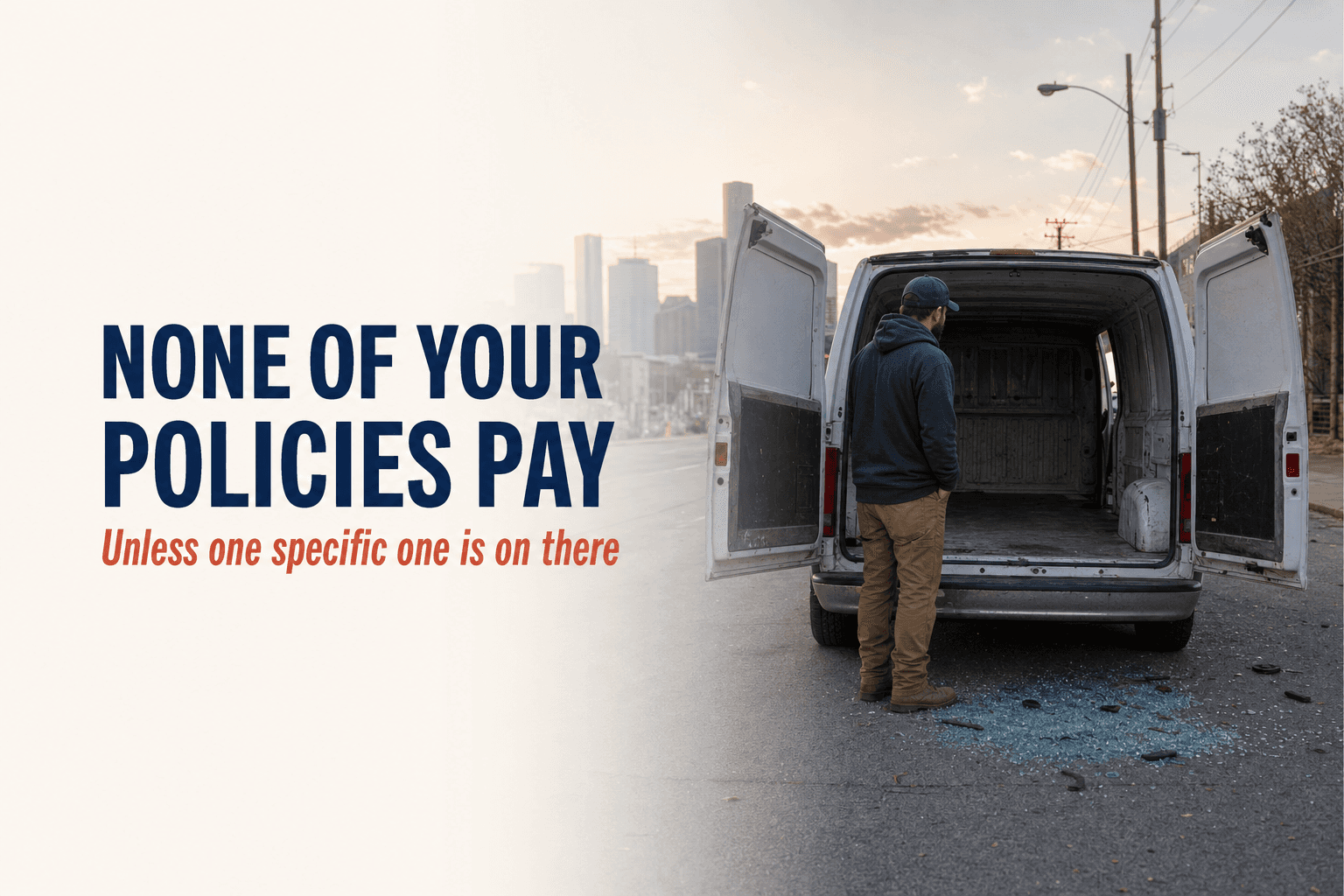
Le robaron sus herramientas de la camioneta. ¿Qué póliza realmente paga?

What Does an Umbrella Insurance Policy Cover? (And What It Doesn't)
How Much Does Flood Insurance Cost in Texas? (2026 Pricing Guide)
Deja que A-Z Auto Insurance te ayude a encontrar una cobertura asequible
Conéctate con nuestro equipo experimentado hoy y obtén un seguro confiable y asequible diseñado a tu medida.
¡Contáctanos!
Deje que A-Z Auto Insurance le ayude
A encontrar una cobertura asequible
Conéctate con nuestro equipo experimentado hoy y obtén un seguro confiable y asequible diseñado a tu medida.
¡Contáctanos!
Deja que A-Z Auto
Seguros te
ayude a encontrar cobertura asequible
Conéctate con nuestro equipo experimentado hoy y obtén un seguro confiable y asequible diseñado a tu medida.
¡Contáctanos!
Deje que A-Z Auto Insurance le ayude
A encontrar una cobertura asequible
Conéctate con nuestro equipo experimentado hoy y obtén un seguro confiable y asequible diseñado a tu medida.
¡Contáctanos!
Últimas noticias y blogs
Últimas noticias y blogs
Publicaciones de blog relacionadas
Publicaciones de blog relacionadas
How Much Is ATV Insurance? Average Costs and Factors
Learn how much ATV insurance costs, from liability to full coverage, plus the factors that affect your premium and ways to save. Visit now!
How Much Is ATV Insurance? Average Costs and Factors
Learn how much ATV insurance costs, from liability to full coverage, plus the factors that affect your premium and ways to save. Visit now!
How Much Is ATV Insurance? Average Costs and Factors
Learn how much ATV insurance costs, from liability to full coverage, plus the factors that affect your premium and ways to save. Visit now!
Le robaron sus herramientas de la camioneta. ¿Qué póliza realmente paga?
La responsabilidad civil general cubre los bienes de otras personas. El seguro de auto comercial paga por la ventana rota, no por lo que había dentro. Esta es la póliza que realmente reemplaza tus herramientas.
Le robaron sus herramientas de la camioneta. ¿Qué póliza realmente paga?
La responsabilidad civil general cubre los bienes de otras personas. El seguro de auto comercial paga por la ventana rota, no por lo que había dentro. Esta es la póliza que realmente reemplaza tus herramientas.
Le robaron sus herramientas de la camioneta. ¿Qué póliza realmente paga?
La responsabilidad civil general cubre los bienes de otras personas. El seguro de auto comercial paga por la ventana rota, no por lo que había dentro. Esta es la póliza que realmente reemplaza tus herramientas.
What Does an Umbrella Insurance Policy Cover? (And What It Doesn't)
Wondering what does an umbrella insurance policy cover? See what's included what's excluded, and if you need extra liability protection.
What Does an Umbrella Insurance Policy Cover? (And What It Doesn't)
Wondering what does an umbrella insurance policy cover? See what's included what's excluded, and if you need extra liability protection.
What Does an Umbrella Insurance Policy Cover? (And What It Doesn't)
Wondering what does an umbrella insurance policy cover? See what's included what's excluded, and if you need extra liability protection.
How Much Is ATV Insurance? Average Costs and Factors
Learn how much ATV insurance costs, from liability to full coverage, plus the factors that affect your premium and ways to save. Visit now!
Le robaron sus herramientas de la camioneta. ¿Qué póliza realmente paga?
La responsabilidad civil general cubre los bienes de otras personas. El seguro de auto comercial paga por la ventana rota, no por lo que había dentro. Esta es la póliza que realmente reemplaza tus herramientas.