Quick support from trusted insurance professionals Call +1 713-777-2886 today! |
Call +1 713-777-2886
Call +1 713-777-2886
Quick support from insurance professionals Call +1 713-777-2886 today! |


Table of Content
Title

Let AZ Insurance Help You
Find Affordable Coverage
Connect with our experienced team today & get reliable, affordable insurance designed around your needs.
Contact Us!

Let A-Z Auto Insurance Help You Find Affordable Coverage
Connect with our experienced team today & get reliable, affordable insurance designed around your needs.
Contact Us!
NFIP Changes in 2026: Houston Homeowners Guide to Flood Insurance Options (Private vs Federal)
NFIP Changes in 2026: Houston Homeowners Guide to Flood Insurance Options (Private vs Federal)
NFIP Changes in 2026: Houston Homeowners Guide to Flood Insurance Options (Private vs Federal)
NFIP Changes in 2026: Houston Homeowners Guide to Flood Insurance Options (Private vs Federal)
NFIP Changes in 2026: Houston Homeowners Guide to Flood Insurance Options (Private vs Federal)

"Flood insurance is one of those things people don't think about until they're standing in four inches of water at 2 a.m. By then, the conversation we should have had three months ago would have saved them tens of thousands of dollars. That's the conversation I want to have with you now." — AZ Insurance Agency
Short answer: A standard homeowners policy never covers flood — you need a separate flood policy, and in Houston you have two paths: the federal NFIP or a private flood carrier. NFIP caps at $250,000 structure / $100,000 contents and carries a 30-day waiting period. Private flood can offer higher limits, living-expense coverage, and shorter waits, and it's often competitive on price after NFIP's Risk Rating 2.0 increases. Which one fits depends on your home's value, flood zone, and risk profile.
Key Takeaways
Flood is always a separate policy from homeowners insurance — neither NFIP nor private flood is bundled into your HO policy.
NFIP coverage is capped at $250K structure / $100K contents, with no living-expense coverage and actual-cash-value (depreciated) contents settlement.
Risk Rating 2.0 reshuffled premiums — many Harris County homeowners saw increases; some saw decreases.
Private flood can offer more: higher limits ($500K–$1M+), replacement-cost contents, additional living expenses, and shorter (10–14 day) waiting periods.
Zone X is not "safe." A large share of Hurricane Harvey's flooded homes sat in low-to-moderate-risk Zone X, where lenders don't require coverage. (More in does homeowners insurance cover flood in Texas.)
Timing matters: NFIP's 30-day waiting period means you must buy before a storm is in the Gulf. Review coverage in spring.
What Houston Homeowners Actually Need to Know About NFIP in 2026
Houston floods. Not occasionally — routinely. The city's geography, its bayou system, its flat topography, the sheer size of its impervious cover — it all adds up to a place where a heavy rain event doesn't stay in the bayous for long.
Most homeowners know this in the back of their minds. But knowing it and being properly covered for it are two different things entirely.
The National Flood Insurance Program — NFIP — has been the primary option for flood coverage in this country since 1968. Run by FEMA, it's what most mortgage lenders require when a home sits in a Special Flood Hazard Area. And for decades, it was essentially the only option many Houston homeowners had.
That's no longer true. The private flood market has matured significantly, and for a growing number of Houston households, private flood insurance now offers something the NFIP simply can't: broader coverage, faster waiting periods, and in many cases, better pricing.
But before you decide what's right for your situation, you need to understand what changed with the NFIP — and why 2026 is a different landscape than even three years ago.
NFIP Risk Rating 2.0: What Changed and Why Your Premium May Look Different
In October 2021, FEMA rolled out what it called Risk Rating 2.0 — a fundamental overhaul of how NFIP premiums are calculated.
Before Risk Rating 2.0, your flood insurance premium was based almost entirely on where your home sat relative to the flood zone on FEMA's Flood Insurance Rate Map (FIRM). Zone AE? High risk, higher premium. Zone X? Lower risk, lower premium. Simple, but not actually accurate — because the map didn't account for a lot of things that genuinely affect flood risk at the individual property level.
Risk Rating 2.0 changed the methodology to factor in:
The distance from your home to the nearest water source (river, bayou, drainage channel)
Your home's first-floor elevation above ground level
The type of flooding most likely to affect your property (coastal surge, river overflow, surface flooding, groundwater)
The cost to rebuild your home — not just the raw replacement value
Your home's foundation type and construction characteristics
The result? Premiums shifted significantly — and not uniformly.
Some homeowners saw their rates drop. Many saw substantial increases, particularly owners of lower-cost homes in high-risk zones who had been previously subsidized by the old flat-map system. Newer, elevated homes in genuine low-risk areas sometimes benefited. Older homes near bayous often didn't.
Here's the part that matters practically: FEMA caps annual premium increases at 18 percent for most policies under the transition, which means some homeowners are still working toward their fully-phased-in rate. That rate — whatever it settles at — is your new normal under the federal program.
The Limits That Don't Change: Understanding NFIP's Coverage Caps
Risk Rating 2.0 changed the pricing. But it didn't change the coverage limits. And those limits are where a lot of Houston homeowners run into a problem they didn't anticipate.
Under NFIP, the maximum coverage available is:
$250,000 for the structure (the building itself)
$100,000 for contents (furniture, appliances, clothing, electronics, personal property)
Those numbers haven't moved in a long time. And Houston's real estate market has.
If your home is worth $350,000, $450,000, or more — and a lot of Harris County homes are — an NFIP policy leaves you with a gap. A significant one. You could experience a total loss, collect the maximum $250,000, and still be $100,000 to $200,000 short of what it costs to rebuild. (Wind and hail bring a separate surprise on the homeowners side — the percentage-based storm deductible that turns 2% into thousands.)
A few other things NFIP typically does not cover that are worth knowing:
Living expenses while your home is being repaired (you pay rent out of pocket)
Business interruption or home-based business losses
Finished basements (limited coverage applies to basement contents and mechanical systems)
Detached structures like garages, guest houses, or covered patios (unless separately insured)
Vehicles (those go through comprehensive auto coverage — see the main purpose of auto insurance)
Landscaping, decks, pools, and fences
The coverage you get pays at actual cash value for contents and certain structural components — meaning depreciation gets factored in. That five-year-old refrigerator isn't worth what you paid for it on paper, and your settlement reflects that. If you run a business from home or own commercial property, note that flood and property coverage work differently on that side — see commercial flood insurance in Houston, the difference between personal and commercial insurance, and the business owners policy that bundles them.
The 30-Day Waiting Period: Why Timing Matters More Than You Think
Here's something a lot of Houston homeowners find out at the worst possible moment: NFIP flood policies have a 30-day waiting period before coverage takes effect.
That means if a named storm is bearing down on the Gulf Coast this weekend and you don't currently have flood insurance, you cannot buy it now and have it protect your home from that storm. The waiting period will not have elapsed.
There are exceptions:
If you're purchasing a home and flood insurance is required as a condition of your mortgage closing, coverage can take effect immediately at closing
If FEMA has revised a flood map and your property has moved into a higher-risk zone within the last 13 months, there's a waiting period exception for that first policy
If you're renewing an existing NFIP policy without a lapse, there's no gap
But for the majority of homeowners who don't already have a policy and are thinking about getting one mid-storm-season? The 30-day window is very real. You need to buy before weather is threatening, before a tropical system develops in the Gulf, before the news starts showing radar maps.
This is also one of the areas where private flood insurance offers a meaningful advantage — but we'll get to that.
Harvey, Allison, Tax Day: Why "Low Risk" in Houston Isn't What You Think
Houston's flood history isn't ancient. Most of it is recent memory.
Tropical Storm Allison (2001): Dropped 36 inches of rain over parts of the Houston metro in five days. Caused $5 billion in damage. Flooded more than 70,000 homes and vehicles.
The Tax Day Floods (April 2016): A slow-moving system dropped 17 inches overnight in some areas. More than 1,000 homes flooded, many of them in neighborhoods that had never flooded before.
Hurricane Harvey (August 2017): The one that changed the conversation permanently. Up to 60 inches of rain in some locations. According to FEMA and Harris County Flood Control District figures, an estimated 154,000 structures flooded across Harris County, and total damage exceeded $125 billion — the costliest flood event in U.S. history at the time.
Here's the detail that matters most from Harvey: a significant portion of the homes that flooded were located in Zone X — the FEMA designation for moderate-to-low flood risk areas where flood insurance is not typically required by lenders.
Zone AE means you're in a high-risk area and almost certainly need to buy flood insurance if you have a mortgage. But Zone X? People assume they're safe. Harvey proved otherwise.
If you live in Harris County and you're relying on your flood zone designation to tell you whether you need flood insurance, that's a calculation worth revisiting. The broader climate picture is shifting that math for businesses too — see climate risk and commercial insurance.
Private Flood Insurance: What It Is and How It Actually Differs
Private flood insurance is issued by private insurance carriers — not FEMA, not the federal government. These policies go through the same state-regulated market as your homeowners or auto insurance, and in Texas, they're licensed and regulated through the Texas Department of Insurance (TDI).
The private flood market has expanded substantially in recent years, partly because FEMA made regulatory changes that made it easier for private carriers to operate, and partly because Risk Rating 2.0 created pricing that pushed some homeowners to look elsewhere.
Here's how private flood compares to NFIP on the dimensions that matter most.
Coverage Limits
NFIP caps at $250K structure / $100K contents
Private carriers can offer significantly higher limits — some up to $500K, $1M, or more depending on the carrier and your home's value
What's Covered
Private policies often include additional living expenses (ALE), meaning if you have to rent a place while your home is repaired, the policy helps pay for it
Some private policies cover replacement cost value for contents — meaning you get what it costs to replace the item new, not what the depreciated item was worth
Detached structures, certain basement finishes, and other exclusions under NFIP may be covered under private policies depending on the carrier
Waiting Periods
Private flood policies often have shorter waiting periods — sometimes 10 to 14 days, and some carriers offer even shorter windows
This doesn't mean you wait until a storm is forming, but it does mean you have a little more flexibility than NFIP's hard 30-day rule
Pricing
Not always cheaper, but often competitive — and for homes where NFIP Risk Rating 2.0 has driven significant premium increases, private carriers may offer better pricing
Your home's specific characteristics (elevation, construction, distance from water) affect both NFIP and private pricing
Lender Acceptance
Most lenders accept private flood insurance if it meets certain criteria (typically matching or exceeding NFIP coverage minimums)
Your lender should be consulted before switching — some are more flexible than others

Who Should Seriously Consider Shopping Private Flood
Not everyone benefits from leaving NFIP for a private policy. But there are specific situations where shopping the private market makes a lot of sense.
You should get a comparison quote if any of these apply to your situation:
Your home's market value or replacement cost exceeds $250,000 — the NFIP structure cap leaves you exposed above that number, and a private policy can fill the gap or replace the NFIP policy entirely
You have significant personal property — high-value furniture, collectibles, jewelry, electronics, or home office equipment that would cost considerably more than $100,000 to replace
You experienced a large NFIP premium increase under Risk Rating 2.0 — your Risk Rating 2.0 rate may be materially higher than what private carriers would offer for the same or better coverage
You want living expense coverage — if you'd need to rent a place for 6-12 months while your home is rebuilt, NFIP doesn't cover that; private policies often do
You're buying a home in a flood zone and want flexibility — the shorter waiting period on private flood can matter at closing when timing is tight
Your home is in Zone X but you live in Harris County — Harvey demonstrated that Zone X isn't a guarantee; private flood coverage can be more affordable in Zone X, making it easier to justify the protection
Some homeowners use both: an NFIP policy for the base coverage that satisfies their mortgage lender, and a private excess flood policy on top to cover the gap above NFIP limits. It's not the most common setup, but in the right situation it's the right answer.
Texas Regulation and What It Means for Your Flood Policy
Texas flood insurance — whether NFIP or private — operates within a regulatory framework that's worth understanding at a high level.
The Texas Department of Insurance (TDI) regulates private flood insurers doing business in the state. If you ever have a dispute with a private flood carrier about a claim, TDI is the entity with jurisdiction. You can find consumer resources at tdi.texas.gov/consumer/floodins.html.
NFIP, because it's a federal program, operates under FEMA's authority — not TDI's — though your NFIP policy may be written through a private "Write Your Own" carrier that also issues policies on FEMA's behalf.
A few things the TDI consumer guidance addresses that are relevant to Houston homeowners:
Private flood insurers in Texas must file their policy forms with TDI, which means you can verify a carrier is legitimate
Flood insurance is always a separate policy from homeowners insurance — your HO policy will almost certainly exclude flood damage regardless of which carrier you use (our breakdown of what homeowners insurance covers and does not cover shows exactly where that exclusion sits)
Texas law requires certain disclosures when an insurer non-renews or cancels a flood policy, giving you time to find alternative coverage
If you're comparing a private flood policy to your current NFIP coverage, make sure you're reading the declarations page and policy form carefully — not just the premium. Coverage differences matter more than price in a claim situation. The same read-the-policy discipline applies to the rest of your home coverage — our guides on staying out of the doghouse with home insurance, protecting your home through the holidays, and whether prefabricated homes require insurance are good companions.
FAQ: Houston Homeowners and Flood Insurance
Q: My home is in Zone X. Do I really need flood insurance?
Zone X means FEMA's flood maps rate your property as moderate-to-low risk. But "moderate-to-low" isn't the same as "no risk." During Harvey, a substantial number of Zone X properties in Harris County flooded — because extreme rainfall events don't respect flood map boundaries. For many Zone X homeowners, private flood insurance is actually reasonably priced, which makes it an easier decision to add. At minimum, get a quote.
Q: My lender doesn't require flood insurance. Does that mean I don't need it?
Not exactly. Lenders require flood insurance when your home is in a designated Special Flood Hazard Area (Zone AE or similar) and you have a federally-backed mortgage. If your lender doesn't require it, it generally means your home isn't in a high-risk zone — not that it can't flood. The choice to carry flood insurance when it's not mandated is a financial risk management decision, not just a compliance one. Renters face the same exposure — flood isn't in a standard renters policy either, so it's worth weighing whether renters insurance is worth it, the key considerations on coverage, and, for a young adult's first place, why kids moving out need their own policy.
Q: If I have NFIP coverage and my home is worth $400,000, what happens in a total loss?
Your NFIP policy pays out a maximum of $250,000 for the structure, assuming that's your coverage limit. The remaining $150,000 gap is your exposure. You'd either absorb it out of pocket, take out a disaster loan, or rebuild a smaller/different structure. This is one of the primary reasons homeowners with higher-value properties look at private flood or excess flood coverage.
Q: How do I know if my current NFIP premium has been affected by Risk Rating 2.0?
Look at your renewal declarations page and compare the premium to what you paid two or three years ago. If your premium has increased significantly — and you haven't had major changes to your property — it's likely reflecting Risk Rating 2.0 adjustments. Your insurance agent can pull your current NFIP information and show you exactly where you stand.
Q: Can I switch from NFIP to private flood insurance and then switch back if I want to?
Generally yes, but there are timing considerations. If you cancel your NFIP policy and later want to return to NFIP, you'll face the standard 30-day waiting period again (unless an exception applies). Additionally, if you've been with NFIP continuously and you switch to private flood, you lose your NFIP policy history. Some lenders may have specific preferences about which type of policy they accept — confirm with your lender before making changes.
Q: What's the best time of year to review or purchase flood insurance in Houston?
Yesterday. Seriously — the Atlantic hurricane season runs June 1 through November 30, and NFIP's 30-day waiting period means anything you buy after a storm develops may not cover that event. The ideal window to review coverage is spring — April, May, before the season ramps up. If you're reading this in June or later, don't wait another year. Buy before the next system threatens the Gulf. While you're at it, our hurricane season preparedness guide walks through getting the rest of your home and vehicles storm-ready.
Why AZ Insurance Stands Apart
AZ Insurance has been serving Houston homeowners since 2003. Over two decades, the agency has weathered Allison, Harvey, Tax Day, and every named storm that put this city's infrastructure to the test. The team has seen what flood losses do to families — and what proper coverage does for them.
With 15 offices across Houston and Dallas, AZ Insurance serves both English and Spanish-speaking clients, and the team compares quotes across 8 carriers for every customer who walks in. That's not a sales pitch — it's the mechanics of how this agency operates. You don't get one option presented as "the best." You get a side-by-side look at what's actually available for your home, your flood zone, and your budget.
Whether you currently have an NFIP policy and want to understand if private flood makes sense for you, or you've never had flood insurance and are wondering where to start — the conversation starts at one of AZ's 15 offices across Houston and Dallas.
No jargon, no pressure. Just a clear-eyed look at what covers your home and what doesn't.
Start with a homeowners insurance quote or walk in for a free coverage review and let the team show you exactly where you stand.
Flood season doesn't wait. Your coverage review shouldn't either.
Related Articles
"Flood insurance is one of those things people don't think about until they're standing in four inches of water at 2 a.m. By then, the conversation we should have had three months ago would have saved them tens of thousands of dollars. That's the conversation I want to have with you now." — AZ Insurance Agency
Short answer: A standard homeowners policy never covers flood — you need a separate flood policy, and in Houston you have two paths: the federal NFIP or a private flood carrier. NFIP caps at $250,000 structure / $100,000 contents and carries a 30-day waiting period. Private flood can offer higher limits, living-expense coverage, and shorter waits, and it's often competitive on price after NFIP's Risk Rating 2.0 increases. Which one fits depends on your home's value, flood zone, and risk profile.
Key Takeaways
Flood is always a separate policy from homeowners insurance — neither NFIP nor private flood is bundled into your HO policy.
NFIP coverage is capped at $250K structure / $100K contents, with no living-expense coverage and actual-cash-value (depreciated) contents settlement.
Risk Rating 2.0 reshuffled premiums — many Harris County homeowners saw increases; some saw decreases.
Private flood can offer more: higher limits ($500K–$1M+), replacement-cost contents, additional living expenses, and shorter (10–14 day) waiting periods.
Zone X is not "safe." A large share of Hurricane Harvey's flooded homes sat in low-to-moderate-risk Zone X, where lenders don't require coverage. (More in does homeowners insurance cover flood in Texas.)
Timing matters: NFIP's 30-day waiting period means you must buy before a storm is in the Gulf. Review coverage in spring.
What Houston Homeowners Actually Need to Know About NFIP in 2026
Houston floods. Not occasionally — routinely. The city's geography, its bayou system, its flat topography, the sheer size of its impervious cover — it all adds up to a place where a heavy rain event doesn't stay in the bayous for long.
Most homeowners know this in the back of their minds. But knowing it and being properly covered for it are two different things entirely.
The National Flood Insurance Program — NFIP — has been the primary option for flood coverage in this country since 1968. Run by FEMA, it's what most mortgage lenders require when a home sits in a Special Flood Hazard Area. And for decades, it was essentially the only option many Houston homeowners had.
That's no longer true. The private flood market has matured significantly, and for a growing number of Houston households, private flood insurance now offers something the NFIP simply can't: broader coverage, faster waiting periods, and in many cases, better pricing.
But before you decide what's right for your situation, you need to understand what changed with the NFIP — and why 2026 is a different landscape than even three years ago.
NFIP Risk Rating 2.0: What Changed and Why Your Premium May Look Different
In October 2021, FEMA rolled out what it called Risk Rating 2.0 — a fundamental overhaul of how NFIP premiums are calculated.
Before Risk Rating 2.0, your flood insurance premium was based almost entirely on where your home sat relative to the flood zone on FEMA's Flood Insurance Rate Map (FIRM). Zone AE? High risk, higher premium. Zone X? Lower risk, lower premium. Simple, but not actually accurate — because the map didn't account for a lot of things that genuinely affect flood risk at the individual property level.
Risk Rating 2.0 changed the methodology to factor in:
The distance from your home to the nearest water source (river, bayou, drainage channel)
Your home's first-floor elevation above ground level
The type of flooding most likely to affect your property (coastal surge, river overflow, surface flooding, groundwater)
The cost to rebuild your home — not just the raw replacement value
Your home's foundation type and construction characteristics
The result? Premiums shifted significantly — and not uniformly.
Some homeowners saw their rates drop. Many saw substantial increases, particularly owners of lower-cost homes in high-risk zones who had been previously subsidized by the old flat-map system. Newer, elevated homes in genuine low-risk areas sometimes benefited. Older homes near bayous often didn't.
Here's the part that matters practically: FEMA caps annual premium increases at 18 percent for most policies under the transition, which means some homeowners are still working toward their fully-phased-in rate. That rate — whatever it settles at — is your new normal under the federal program.
The Limits That Don't Change: Understanding NFIP's Coverage Caps
Risk Rating 2.0 changed the pricing. But it didn't change the coverage limits. And those limits are where a lot of Houston homeowners run into a problem they didn't anticipate.
Under NFIP, the maximum coverage available is:
$250,000 for the structure (the building itself)
$100,000 for contents (furniture, appliances, clothing, electronics, personal property)
Those numbers haven't moved in a long time. And Houston's real estate market has.
If your home is worth $350,000, $450,000, or more — and a lot of Harris County homes are — an NFIP policy leaves you with a gap. A significant one. You could experience a total loss, collect the maximum $250,000, and still be $100,000 to $200,000 short of what it costs to rebuild. (Wind and hail bring a separate surprise on the homeowners side — the percentage-based storm deductible that turns 2% into thousands.)
A few other things NFIP typically does not cover that are worth knowing:
Living expenses while your home is being repaired (you pay rent out of pocket)
Business interruption or home-based business losses
Finished basements (limited coverage applies to basement contents and mechanical systems)
Detached structures like garages, guest houses, or covered patios (unless separately insured)
Vehicles (those go through comprehensive auto coverage — see the main purpose of auto insurance)
Landscaping, decks, pools, and fences
The coverage you get pays at actual cash value for contents and certain structural components — meaning depreciation gets factored in. That five-year-old refrigerator isn't worth what you paid for it on paper, and your settlement reflects that. If you run a business from home or own commercial property, note that flood and property coverage work differently on that side — see commercial flood insurance in Houston, the difference between personal and commercial insurance, and the business owners policy that bundles them.
The 30-Day Waiting Period: Why Timing Matters More Than You Think
Here's something a lot of Houston homeowners find out at the worst possible moment: NFIP flood policies have a 30-day waiting period before coverage takes effect.
That means if a named storm is bearing down on the Gulf Coast this weekend and you don't currently have flood insurance, you cannot buy it now and have it protect your home from that storm. The waiting period will not have elapsed.
There are exceptions:
If you're purchasing a home and flood insurance is required as a condition of your mortgage closing, coverage can take effect immediately at closing
If FEMA has revised a flood map and your property has moved into a higher-risk zone within the last 13 months, there's a waiting period exception for that first policy
If you're renewing an existing NFIP policy without a lapse, there's no gap
But for the majority of homeowners who don't already have a policy and are thinking about getting one mid-storm-season? The 30-day window is very real. You need to buy before weather is threatening, before a tropical system develops in the Gulf, before the news starts showing radar maps.
This is also one of the areas where private flood insurance offers a meaningful advantage — but we'll get to that.
Harvey, Allison, Tax Day: Why "Low Risk" in Houston Isn't What You Think
Houston's flood history isn't ancient. Most of it is recent memory.
Tropical Storm Allison (2001): Dropped 36 inches of rain over parts of the Houston metro in five days. Caused $5 billion in damage. Flooded more than 70,000 homes and vehicles.
The Tax Day Floods (April 2016): A slow-moving system dropped 17 inches overnight in some areas. More than 1,000 homes flooded, many of them in neighborhoods that had never flooded before.
Hurricane Harvey (August 2017): The one that changed the conversation permanently. Up to 60 inches of rain in some locations. According to FEMA and Harris County Flood Control District figures, an estimated 154,000 structures flooded across Harris County, and total damage exceeded $125 billion — the costliest flood event in U.S. history at the time.
Here's the detail that matters most from Harvey: a significant portion of the homes that flooded were located in Zone X — the FEMA designation for moderate-to-low flood risk areas where flood insurance is not typically required by lenders.
Zone AE means you're in a high-risk area and almost certainly need to buy flood insurance if you have a mortgage. But Zone X? People assume they're safe. Harvey proved otherwise.
If you live in Harris County and you're relying on your flood zone designation to tell you whether you need flood insurance, that's a calculation worth revisiting. The broader climate picture is shifting that math for businesses too — see climate risk and commercial insurance.
Private Flood Insurance: What It Is and How It Actually Differs
Private flood insurance is issued by private insurance carriers — not FEMA, not the federal government. These policies go through the same state-regulated market as your homeowners or auto insurance, and in Texas, they're licensed and regulated through the Texas Department of Insurance (TDI).
The private flood market has expanded substantially in recent years, partly because FEMA made regulatory changes that made it easier for private carriers to operate, and partly because Risk Rating 2.0 created pricing that pushed some homeowners to look elsewhere.
Here's how private flood compares to NFIP on the dimensions that matter most.
Coverage Limits
NFIP caps at $250K structure / $100K contents
Private carriers can offer significantly higher limits — some up to $500K, $1M, or more depending on the carrier and your home's value
What's Covered
Private policies often include additional living expenses (ALE), meaning if you have to rent a place while your home is repaired, the policy helps pay for it
Some private policies cover replacement cost value for contents — meaning you get what it costs to replace the item new, not what the depreciated item was worth
Detached structures, certain basement finishes, and other exclusions under NFIP may be covered under private policies depending on the carrier
Waiting Periods
Private flood policies often have shorter waiting periods — sometimes 10 to 14 days, and some carriers offer even shorter windows
This doesn't mean you wait until a storm is forming, but it does mean you have a little more flexibility than NFIP's hard 30-day rule
Pricing
Not always cheaper, but often competitive — and for homes where NFIP Risk Rating 2.0 has driven significant premium increases, private carriers may offer better pricing
Your home's specific characteristics (elevation, construction, distance from water) affect both NFIP and private pricing
Lender Acceptance
Most lenders accept private flood insurance if it meets certain criteria (typically matching or exceeding NFIP coverage minimums)
Your lender should be consulted before switching — some are more flexible than others
Who Should Seriously Consider Shopping Private Flood
Not everyone benefits from leaving NFIP for a private policy. But there are specific situations where shopping the private market makes a lot of sense.
You should get a comparison quote if any of these apply to your situation:
Your home's market value or replacement cost exceeds $250,000 — the NFIP structure cap leaves you exposed above that number, and a private policy can fill the gap or replace the NFIP policy entirely
You have significant personal property — high-value furniture, collectibles, jewelry, electronics, or home office equipment that would cost considerably more than $100,000 to replace
You experienced a large NFIP premium increase under Risk Rating 2.0 — your Risk Rating 2.0 rate may be materially higher than what private carriers would offer for the same or better coverage
You want living expense coverage — if you'd need to rent a place for 6-12 months while your home is rebuilt, NFIP doesn't cover that; private policies often do
You're buying a home in a flood zone and want flexibility — the shorter waiting period on private flood can matter at closing when timing is tight
Your home is in Zone X but you live in Harris County — Harvey demonstrated that Zone X isn't a guarantee; private flood coverage can be more affordable in Zone X, making it easier to justify the protection
Some homeowners use both: an NFIP policy for the base coverage that satisfies their mortgage lender, and a private excess flood policy on top to cover the gap above NFIP limits. It's not the most common setup, but in the right situation it's the right answer.
Texas Regulation and What It Means for Your Flood Policy
Texas flood insurance — whether NFIP or private — operates within a regulatory framework that's worth understanding at a high level.
The Texas Department of Insurance (TDI) regulates private flood insurers doing business in the state. If you ever have a dispute with a private flood carrier about a claim, TDI is the entity with jurisdiction. You can find consumer resources at tdi.texas.gov/consumer/floodins.html.
NFIP, because it's a federal program, operates under FEMA's authority — not TDI's — though your NFIP policy may be written through a private "Write Your Own" carrier that also issues policies on FEMA's behalf.
A few things the TDI consumer guidance addresses that are relevant to Houston homeowners:
Private flood insurers in Texas must file their policy forms with TDI, which means you can verify a carrier is legitimate
Flood insurance is always a separate policy from homeowners insurance — your HO policy will almost certainly exclude flood damage regardless of which carrier you use (our breakdown of what homeowners insurance covers and does not cover shows exactly where that exclusion sits)
Texas law requires certain disclosures when an insurer non-renews or cancels a flood policy, giving you time to find alternative coverage
If you're comparing a private flood policy to your current NFIP coverage, make sure you're reading the declarations page and policy form carefully — not just the premium. Coverage differences matter more than price in a claim situation. The same read-the-policy discipline applies to the rest of your home coverage — our guides on staying out of the doghouse with home insurance, protecting your home through the holidays, and whether prefabricated homes require insurance are good companions.
FAQ: Houston Homeowners and Flood Insurance
Q: My home is in Zone X. Do I really need flood insurance?
Zone X means FEMA's flood maps rate your property as moderate-to-low risk. But "moderate-to-low" isn't the same as "no risk." During Harvey, a substantial number of Zone X properties in Harris County flooded — because extreme rainfall events don't respect flood map boundaries. For many Zone X homeowners, private flood insurance is actually reasonably priced, which makes it an easier decision to add. At minimum, get a quote.
Q: My lender doesn't require flood insurance. Does that mean I don't need it?
Not exactly. Lenders require flood insurance when your home is in a designated Special Flood Hazard Area (Zone AE or similar) and you have a federally-backed mortgage. If your lender doesn't require it, it generally means your home isn't in a high-risk zone — not that it can't flood. The choice to carry flood insurance when it's not mandated is a financial risk management decision, not just a compliance one. Renters face the same exposure — flood isn't in a standard renters policy either, so it's worth weighing whether renters insurance is worth it, the key considerations on coverage, and, for a young adult's first place, why kids moving out need their own policy.
Q: If I have NFIP coverage and my home is worth $400,000, what happens in a total loss?
Your NFIP policy pays out a maximum of $250,000 for the structure, assuming that's your coverage limit. The remaining $150,000 gap is your exposure. You'd either absorb it out of pocket, take out a disaster loan, or rebuild a smaller/different structure. This is one of the primary reasons homeowners with higher-value properties look at private flood or excess flood coverage.
Q: How do I know if my current NFIP premium has been affected by Risk Rating 2.0?
Look at your renewal declarations page and compare the premium to what you paid two or three years ago. If your premium has increased significantly — and you haven't had major changes to your property — it's likely reflecting Risk Rating 2.0 adjustments. Your insurance agent can pull your current NFIP information and show you exactly where you stand.
Q: Can I switch from NFIP to private flood insurance and then switch back if I want to?
Generally yes, but there are timing considerations. If you cancel your NFIP policy and later want to return to NFIP, you'll face the standard 30-day waiting period again (unless an exception applies). Additionally, if you've been with NFIP continuously and you switch to private flood, you lose your NFIP policy history. Some lenders may have specific preferences about which type of policy they accept — confirm with your lender before making changes.
Q: What's the best time of year to review or purchase flood insurance in Houston?
Yesterday. Seriously — the Atlantic hurricane season runs June 1 through November 30, and NFIP's 30-day waiting period means anything you buy after a storm develops may not cover that event. The ideal window to review coverage is spring — April, May, before the season ramps up. If you're reading this in June or later, don't wait another year. Buy before the next system threatens the Gulf. While you're at it, our hurricane season preparedness guide walks through getting the rest of your home and vehicles storm-ready.
Why AZ Insurance Stands Apart
AZ Insurance has been serving Houston homeowners since 2003. Over two decades, the agency has weathered Allison, Harvey, Tax Day, and every named storm that put this city's infrastructure to the test. The team has seen what flood losses do to families — and what proper coverage does for them.
With 15 offices across Houston and Dallas, AZ Insurance serves both English and Spanish-speaking clients, and the team compares quotes across 8 carriers for every customer who walks in. That's not a sales pitch — it's the mechanics of how this agency operates. You don't get one option presented as "the best." You get a side-by-side look at what's actually available for your home, your flood zone, and your budget.
Whether you currently have an NFIP policy and want to understand if private flood makes sense for you, or you've never had flood insurance and are wondering where to start — the conversation starts at one of AZ's 15 offices across Houston and Dallas.
No jargon, no pressure. Just a clear-eyed look at what covers your home and what doesn't.
Start with a homeowners insurance quote or walk in for a free coverage review and let the team show you exactly where you stand.
Flood season doesn't wait. Your coverage review shouldn't either.
Related Articles
Latest Blogs
Dropped by Your Texas Home Insurer? What a Nonrenewal Notice Must Tell You and What to Do in the Next 60 Days

General Liability Will Not Pay for a Mistake. What Professional Liability Covers in Texas
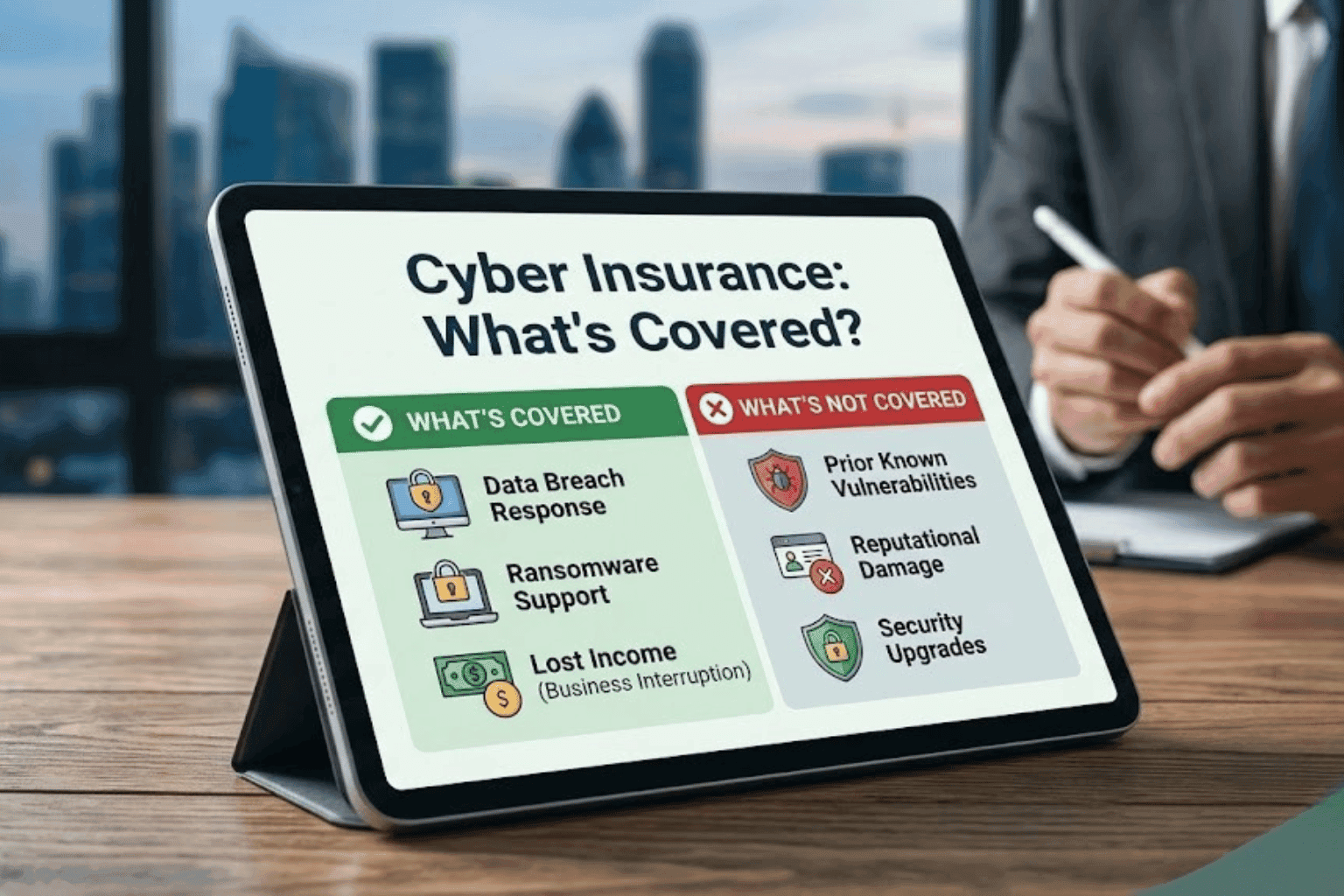
What Does Cyber Insurance Cover (and Not Cover)? Full Guide

How Much Is ATV Insurance? Average Costs and Factors

Your Tools Were Stolen Off the Truck. Which Policy Actually Pays?

What Does an Umbrella Insurance Policy Cover? (And What It Doesn't)
Let A-Z Auto Insurance Help You Find Affordable Coverage
Connect with our experienced team today & get reliable, affordable insurance designed around your needs.
Contact Us!
Let A-Z Auto Insurance Help
You Find Affordable Coverage
Connect with our experienced team today & get reliable, affordable insurance designed around your needs.
Contact Us!
Let A-Z Auto
Insurance Help You
Find Affordable Coverage
Connect with our experienced team today & get reliable, affordable insurance designed around your needs.
Contact Us!
Let A-Z Auto Insurance Help
You Find Affordable Coverage
Connect with our experienced team today & get reliable, affordable insurance designed around your needs.
Contact Us!
Latest New & Blogs
Latest New & Blogs
Related Blog Posts
Related Blog Posts
What Does Cyber Insurance Cover (and Not Cover)? Full Guide
Not sure what does cyber insurance cover? See exactly what's included what's excluded, and whether your Texas business needs a policy.
What Does Cyber Insurance Cover (and Not Cover)? Full Guide
Not sure what does cyber insurance cover? See exactly what's included what's excluded, and whether your Texas business needs a policy.
What Does Cyber Insurance Cover (and Not Cover)? Full Guide
Not sure what does cyber insurance cover? See exactly what's included what's excluded, and whether your Texas business needs a policy.
How Much Is ATV Insurance? Average Costs and Factors
Learn how much ATV insurance costs, from liability to full coverage, plus the factors that affect your premium and ways to save. Visit now!
How Much Is ATV Insurance? Average Costs and Factors
Learn how much ATV insurance costs, from liability to full coverage, plus the factors that affect your premium and ways to save. Visit now!
How Much Is ATV Insurance? Average Costs and Factors
Learn how much ATV insurance costs, from liability to full coverage, plus the factors that affect your premium and ways to save. Visit now!
Your Tools Were Stolen Off the Truck. Which Policy Actually Pays?
General liability covers other people's property. Commercial auto pays for the broken window, not what was inside. Here is the policy that actually replaces your tools.
Your Tools Were Stolen Off the Truck. Which Policy Actually Pays?
General liability covers other people's property. Commercial auto pays for the broken window, not what was inside. Here is the policy that actually replaces your tools.
Your Tools Were Stolen Off the Truck. Which Policy Actually Pays?
General liability covers other people's property. Commercial auto pays for the broken window, not what was inside. Here is the policy that actually replaces your tools.
What Does Cyber Insurance Cover (and Not Cover)? Full Guide
Not sure what does cyber insurance cover? See exactly what's included what's excluded, and whether your Texas business needs a policy.
How Much Is ATV Insurance? Average Costs and Factors
Learn how much ATV insurance costs, from liability to full coverage, plus the factors that affect your premium and ways to save. Visit now!