Quick support from trusted insurance professionals Call +1 713-777-2886 today! |
Call +1 713-777-2886
Call +1 713-777-2886
Quick support from insurance professionals Call +1 713-777-2886 today! |


Table of Content
Title

Let AZ Insurance Help You
Find Affordable Coverage
Connect with our experienced team today & get reliable, affordable insurance designed around your needs.
Contact Us!

Let A-Z Auto Insurance Help You Find Affordable Coverage
Connect with our experienced team today & get reliable, affordable insurance designed around your needs.
Contact Us!
Does Homeowners Insurance Cover Plumbing? What Texas Homeowners Need to Know
Does Homeowners Insurance Cover Plumbing? What Texas Homeowners Need to Know
Does Homeowners Insurance Cover Plumbing? What Texas Homeowners Need to Know
Does Homeowners Insurance Cover Plumbing? What Texas Homeowners Need to Know
Does Homeowners Insurance Cover Plumbing? What Texas Homeowners Need to Know

Quick Answer: Homeowners insurance generally covers sudden, accidental plumbing damage — like a burst pipe that soaks your living room — but it won't pay for the repair of the pipe itself or for damage caused by gradual leaks, poor maintenance, or old age. Understanding that line is the difference between a paid claim and a denied one.
A pipe bursts under your kitchen sink at 2 a.m. Water is spreading across the floor, and your first thought isn't about the pipe — it's about the ceiling below, the hardwood, the drywall. That's the moment most homeowners realize they don't actually know what their homeowners insurance policy covers when it comes to plumbing. The answer is more nuanced than a simple yes or no and getting it wrong can cost you thousands out of pockets.
Here's the thing most people miss homeowners' insurance is built to cover sudden and accidental water damage, not the plumbing system itself. If a pipe suddenly bursts and water damages your floors, cabinets, or walls, your policy typically steps in to cover that resulting damage. But the actual cost of fixing or replacing the broken pipe usually isn't covered, since pipes, water heaters, and fixtures are considered part of home maintenance — the same way insurers don't pay to replace a worn-out roof simply because it's old. If you're unsure what your specific policy includes, a quick call through our contact page can get you a plain-language answer from a licensed agent instead of a guess.
Does Homeowners Insurance Cover Plumbing Repairs?
This is where the distinction really matters. Repairing or replacing the pipe, valve, or fitting that failed is considered a maintenance cost, not an insurable loss — insurers treat it the same way they treat a failing furnace or an aging water heater. What is covered is the damage that failure causes to the rest of your home: warped flooring, ruined drywall, damaged insulation, or even mold remediation in some policies. A 2024 Insurance Information Institute review of water-damage claims found that water and freezing-related losses are among the most frequent homeowners claims filed nationwide, second only to wind and hail. That's a strong argument for reviewing your home insurance quote annually to make sure your dwelling coverage limit actually reflects current repair costs in your area, not what your home was worth when you first bought the policy.
Does Homeowners Insurance Cover Plumbing Leaks?
Sudden leaks and long-term leaks are treated very differently by insurers, and this is the single biggest reason claims get denied. A pipe that bursts overnight is sudden and accidental — covered. A slow leak behind a wall that's been dripping for six months, causing rot and mold before anyone notices, is considered a maintenance failure — and most standard policies exclude it. Adjusters look for evidence of how long the leak existed; visible mold growth or rotted wood often signals a gradual leak rather than a sudden one. This is similar to how flood damage differs from water damage in a standard policy — the source and speed of the water determine coverage, not just the fact that your home got wet.
Texas homes bring their own wrinkles into this equation. Older homes with original galvanized or cast-iron plumbing are more prone to sudden failures, and insurers sometimes charge higher premiums or require inspections before binding coverage. If you're comparing policy types, it helps to understand the practical difference in HO-A, HO-B, and HO-3 coverage, since not every form treats water damage the same way. And once damage is repaired, knowing whether your policy pays actual cash value or replacement cost will shape exactly how much of that hardwood floor replacement lands in your pocket versus the insurer's.
There's also a documentation piece people underestimate. Insurers want proof: photos of the damage, a plumber's report stating the cause, and — ideally — records showing your plumbing was reasonably maintained. Skipping that step is one of the fastest ways an otherwise legitimate claim gets delayed or denied.
And this is where it gets interesting: the same logic extends to renters. If you're leasing a property, the building's plumbing isn't your responsibility, but your belongings damaged by a leak might not be covered unless you carry your own renters insurance. Landlords insure the structure, not your couch or laptop.

Frequently Asked Questions
Q: Does homeowners insurance cover plumbing?
A: It covers sudden, accidental damage caused by plumbing failures, not the cost of fixing the plumbing itself.
Q: Does homeowners insurance cover plumbing repairs?
A: Generally no — repairing or replacing the failed pipe or fixture is treated as maintenance, though resulting property damage is usually covered.
Q: Does homeowners insurance cover plumbing leaks?
A: Sudden leaks are typically covered; gradual leaks that developed over weeks or months due to lack of maintenance are usually excluded.
Q: What's the difference between a covered leak and an excluded one?
A: Speed and visibility. A burst pipe is sudden and unexpected. A slow leak behind a wall that causes mold over time is considered preventable neglect.
Q: How can I make sure my home is properly covered?
A: Review your dwelling limits and exclusions with an agent, keep maintenance records, and consider requesting a homeowners insurance quote to compare your current coverage against what's available today.
Quick Answer: Homeowners insurance generally covers sudden, accidental plumbing damage — like a burst pipe that soaks your living room — but it won't pay for the repair of the pipe itself or for damage caused by gradual leaks, poor maintenance, or old age. Understanding that line is the difference between a paid claim and a denied one.
A pipe bursts under your kitchen sink at 2 a.m. Water is spreading across the floor, and your first thought isn't about the pipe — it's about the ceiling below, the hardwood, the drywall. That's the moment most homeowners realize they don't actually know what their homeowners insurance policy covers when it comes to plumbing. The answer is more nuanced than a simple yes or no and getting it wrong can cost you thousands out of pockets.
Here's the thing most people miss homeowners' insurance is built to cover sudden and accidental water damage, not the plumbing system itself. If a pipe suddenly bursts and water damages your floors, cabinets, or walls, your policy typically steps in to cover that resulting damage. But the actual cost of fixing or replacing the broken pipe usually isn't covered, since pipes, water heaters, and fixtures are considered part of home maintenance — the same way insurers don't pay to replace a worn-out roof simply because it's old. If you're unsure what your specific policy includes, a quick call through our contact page can get you a plain-language answer from a licensed agent instead of a guess.
Does Homeowners Insurance Cover Plumbing Repairs?
This is where the distinction really matters. Repairing or replacing the pipe, valve, or fitting that failed is considered a maintenance cost, not an insurable loss — insurers treat it the same way they treat a failing furnace or an aging water heater. What is covered is the damage that failure causes to the rest of your home: warped flooring, ruined drywall, damaged insulation, or even mold remediation in some policies. A 2024 Insurance Information Institute review of water-damage claims found that water and freezing-related losses are among the most frequent homeowners claims filed nationwide, second only to wind and hail. That's a strong argument for reviewing your home insurance quote annually to make sure your dwelling coverage limit actually reflects current repair costs in your area, not what your home was worth when you first bought the policy.
Does Homeowners Insurance Cover Plumbing Leaks?
Sudden leaks and long-term leaks are treated very differently by insurers, and this is the single biggest reason claims get denied. A pipe that bursts overnight is sudden and accidental — covered. A slow leak behind a wall that's been dripping for six months, causing rot and mold before anyone notices, is considered a maintenance failure — and most standard policies exclude it. Adjusters look for evidence of how long the leak existed; visible mold growth or rotted wood often signals a gradual leak rather than a sudden one. This is similar to how flood damage differs from water damage in a standard policy — the source and speed of the water determine coverage, not just the fact that your home got wet.
Texas homes bring their own wrinkles into this equation. Older homes with original galvanized or cast-iron plumbing are more prone to sudden failures, and insurers sometimes charge higher premiums or require inspections before binding coverage. If you're comparing policy types, it helps to understand the practical difference in HO-A, HO-B, and HO-3 coverage, since not every form treats water damage the same way. And once damage is repaired, knowing whether your policy pays actual cash value or replacement cost will shape exactly how much of that hardwood floor replacement lands in your pocket versus the insurer's.
There's also a documentation piece people underestimate. Insurers want proof: photos of the damage, a plumber's report stating the cause, and — ideally — records showing your plumbing was reasonably maintained. Skipping that step is one of the fastest ways an otherwise legitimate claim gets delayed or denied.
And this is where it gets interesting: the same logic extends to renters. If you're leasing a property, the building's plumbing isn't your responsibility, but your belongings damaged by a leak might not be covered unless you carry your own renters insurance. Landlords insure the structure, not your couch or laptop.
Frequently Asked Questions
Q: Does homeowners insurance cover plumbing?
A: It covers sudden, accidental damage caused by plumbing failures, not the cost of fixing the plumbing itself.
Q: Does homeowners insurance cover plumbing repairs?
A: Generally no — repairing or replacing the failed pipe or fixture is treated as maintenance, though resulting property damage is usually covered.
Q: Does homeowners insurance cover plumbing leaks?
A: Sudden leaks are typically covered; gradual leaks that developed over weeks or months due to lack of maintenance are usually excluded.
Q: What's the difference between a covered leak and an excluded one?
A: Speed and visibility. A burst pipe is sudden and unexpected. A slow leak behind a wall that causes mold over time is considered preventable neglect.
Q: How can I make sure my home is properly covered?
A: Review your dwelling limits and exclusions with an agent, keep maintenance records, and consider requesting a homeowners insurance quote to compare your current coverage against what's available today.
Latest Blogs
Hazard Insurance vs. Homeowners Insurance: What's the Difference?
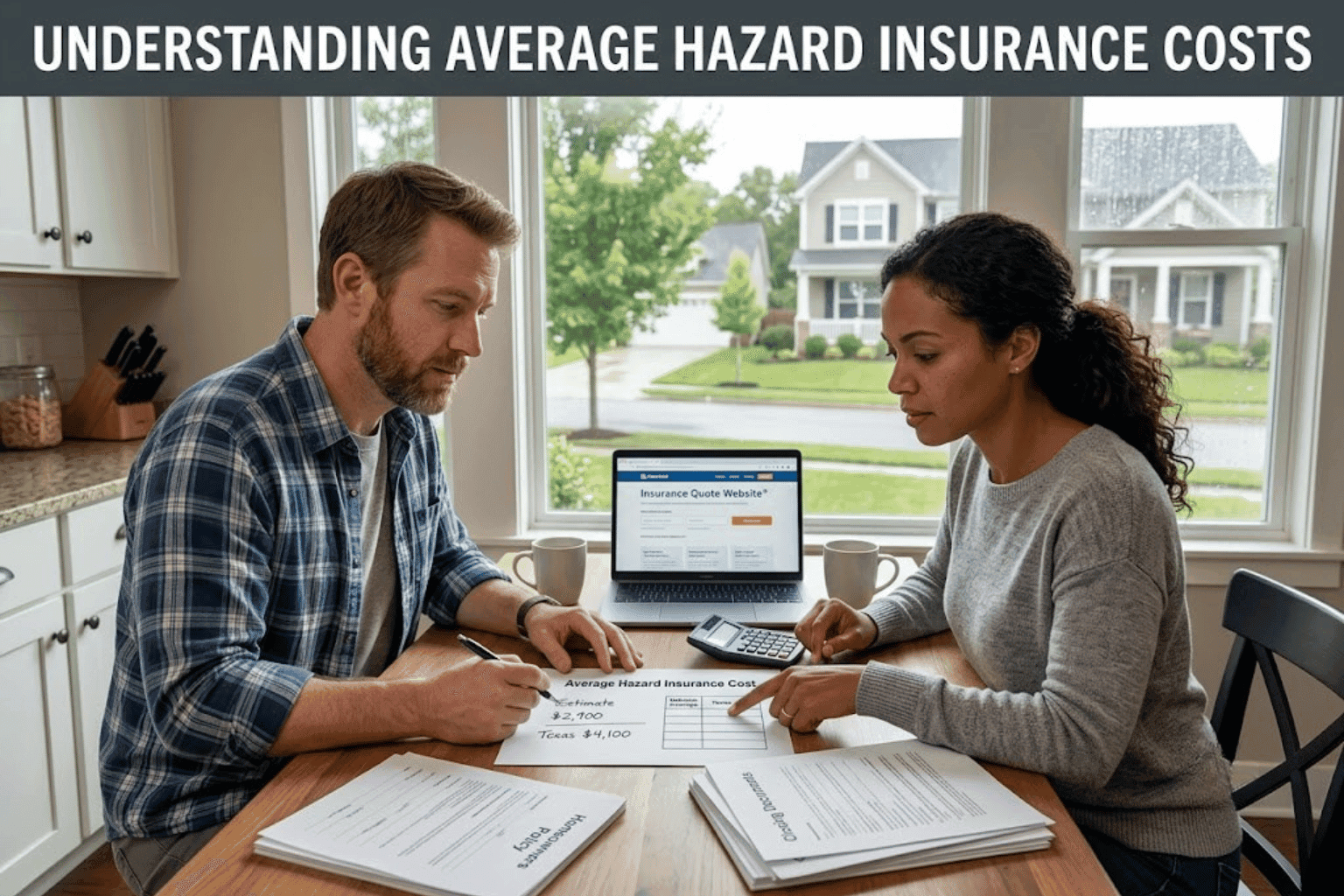
Average Hazard Insurance Cost: What Homeowners Can Expect

What Is Home Hazard Insurance and What Does It Cover?

Certificate Holder or Additional Insured? The Difference That Decides Who Pays Your Defense
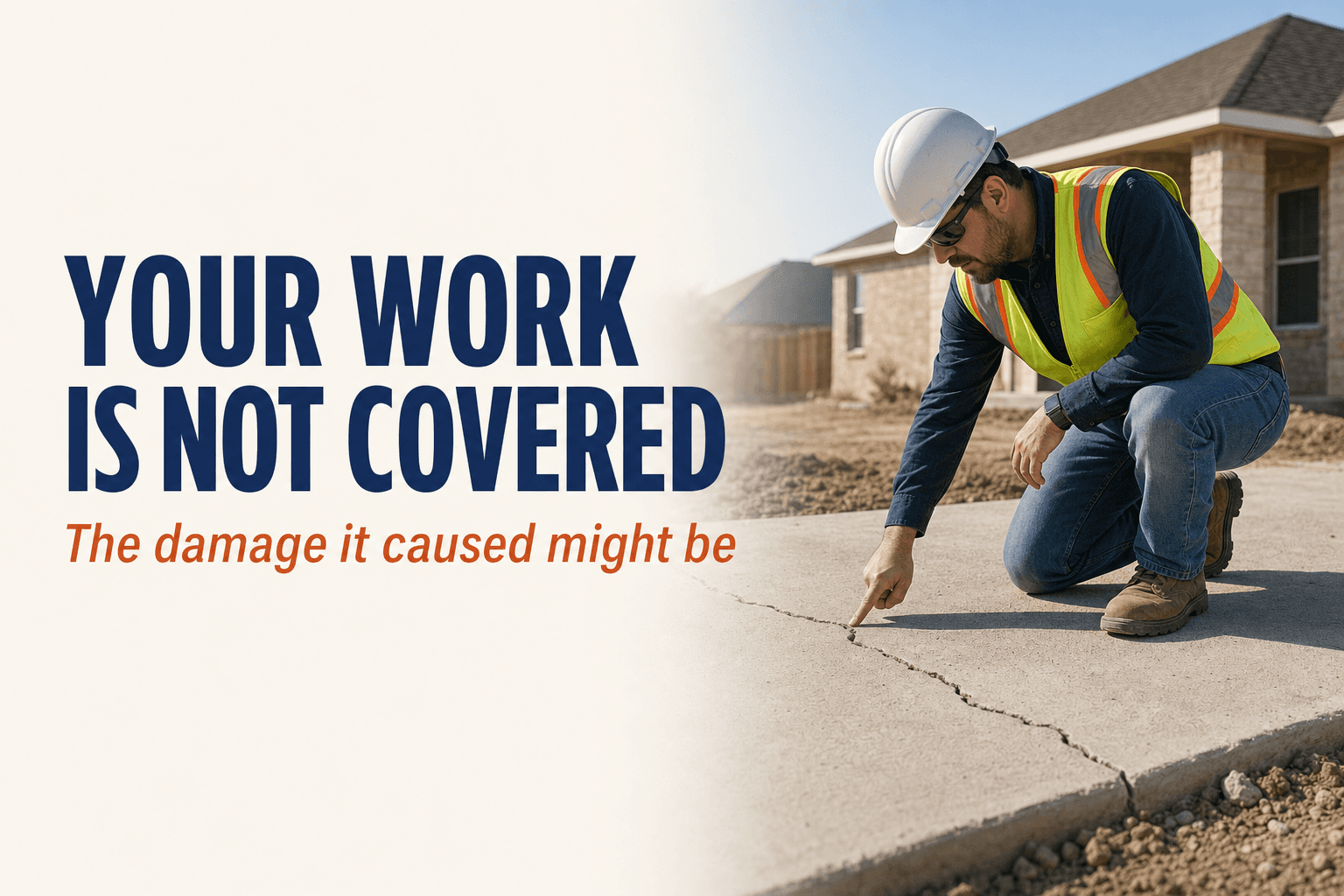
Does General Liability Cover Your Own Faulty Workmanship? What Texas Contractors Get Wrong

Buying a Car in Houston? What Insurance You Need Before You Drive Off the Lot
Let A-Z Auto Insurance Help You Find Affordable Coverage
Connect with our experienced team today & get reliable, affordable insurance designed around your needs.
Contact Us!
Let A-Z Auto Insurance Help
You Find Affordable Coverage
Connect with our experienced team today & get reliable, affordable insurance designed around your needs.
Contact Us!
Let A-Z Auto
Insurance Help You
Find Affordable Coverage
Connect with our experienced team today & get reliable, affordable insurance designed around your needs.
Contact Us!
Let A-Z Auto Insurance Help
You Find Affordable Coverage
Connect with our experienced team today & get reliable, affordable insurance designed around your needs.
Contact Us!
Latest New & Blogs
Latest New & Blogs
Related Blog Posts
Related Blog Posts
What Is Home Hazard Insurance and What Does It Cover?
Learn what home hazard insurance is, what it covers in TX, & what's left out. See how AZ Insurance Agency helps Houston homeowners close the gaps.
What Is Home Hazard Insurance and What Does It Cover?
Learn what home hazard insurance is, what it covers in TX, & what's left out. See how AZ Insurance Agency helps Houston homeowners close the gaps.
What Is Home Hazard Insurance and What Does It Cover?
Learn what home hazard insurance is, what it covers in TX, & what's left out. See how AZ Insurance Agency helps Houston homeowners close the gaps.
Certificate Holder or Additional Insured? The Difference That Decides Who Pays Your Defense
One is a name on a form. The other is coverage under someone else's policy. Here is how Texas contractors tell them apart before a claim decides it for them.
Certificate Holder or Additional Insured? The Difference That Decides Who Pays Your Defense
One is a name on a form. The other is coverage under someone else's policy. Here is how Texas contractors tell them apart before a claim decides it for them.
Certificate Holder or Additional Insured? The Difference That Decides Who Pays Your Defense
One is a name on a form. The other is coverage under someone else's policy. Here is how Texas contractors tell them apart before a claim decides it for them.
Does General Liability Cover Your Own Faulty Workmanship? What Texas Contractors Get Wrong
Your policy will not pay to redo the work you got wrong. In Texas it may still pay for the damage that work caused. Here is exactly where the line sits.
Does General Liability Cover Your Own Faulty Workmanship? What Texas Contractors Get Wrong
Your policy will not pay to redo the work you got wrong. In Texas it may still pay for the damage that work caused. Here is exactly where the line sits.
Does General Liability Cover Your Own Faulty Workmanship? What Texas Contractors Get Wrong
Your policy will not pay to redo the work you got wrong. In Texas it may still pay for the damage that work caused. Here is exactly where the line sits.
What Is Home Hazard Insurance and What Does It Cover?
Learn what home hazard insurance is, what it covers in TX, & what's left out. See how AZ Insurance Agency helps Houston homeowners close the gaps.
Certificate Holder or Additional Insured? The Difference That Decides Who Pays Your Defense
One is a name on a form. The other is coverage under someone else's policy. Here is how Texas contractors tell them apart before a claim decides it for them.