Quick support from trusted insurance professionals Call +1 713-777-2886 today! |
Call +1 713-777-2886
Call +1 713-777-2886
Quick support from insurance professionals Call +1 713-777-2886 today! |


Table of Content
Title
Let AZ Insurance Help You
Find Affordable Coverage
Connect with our experienced team today & get reliable, affordable insurance designed around your needs.
Contact Us!

Let A-Z Auto Insurance Help You Find Affordable Coverage
Connect with our experienced team today & get reliable, affordable insurance designed around your needs.
Contact Us!
Cyber Liability Insurance Cost: What Businesses Can Expect to Pay
Cyber Liability Insurance Cost: What Businesses Can Expect to Pay
Cyber Liability Insurance Cost: What Businesses Can Expect to Pay
Cyber Liability Insurance Cost: What Businesses Can Expect to Pay
Cyber Liability Insurance Cost: What Businesses Can Expect to Pay
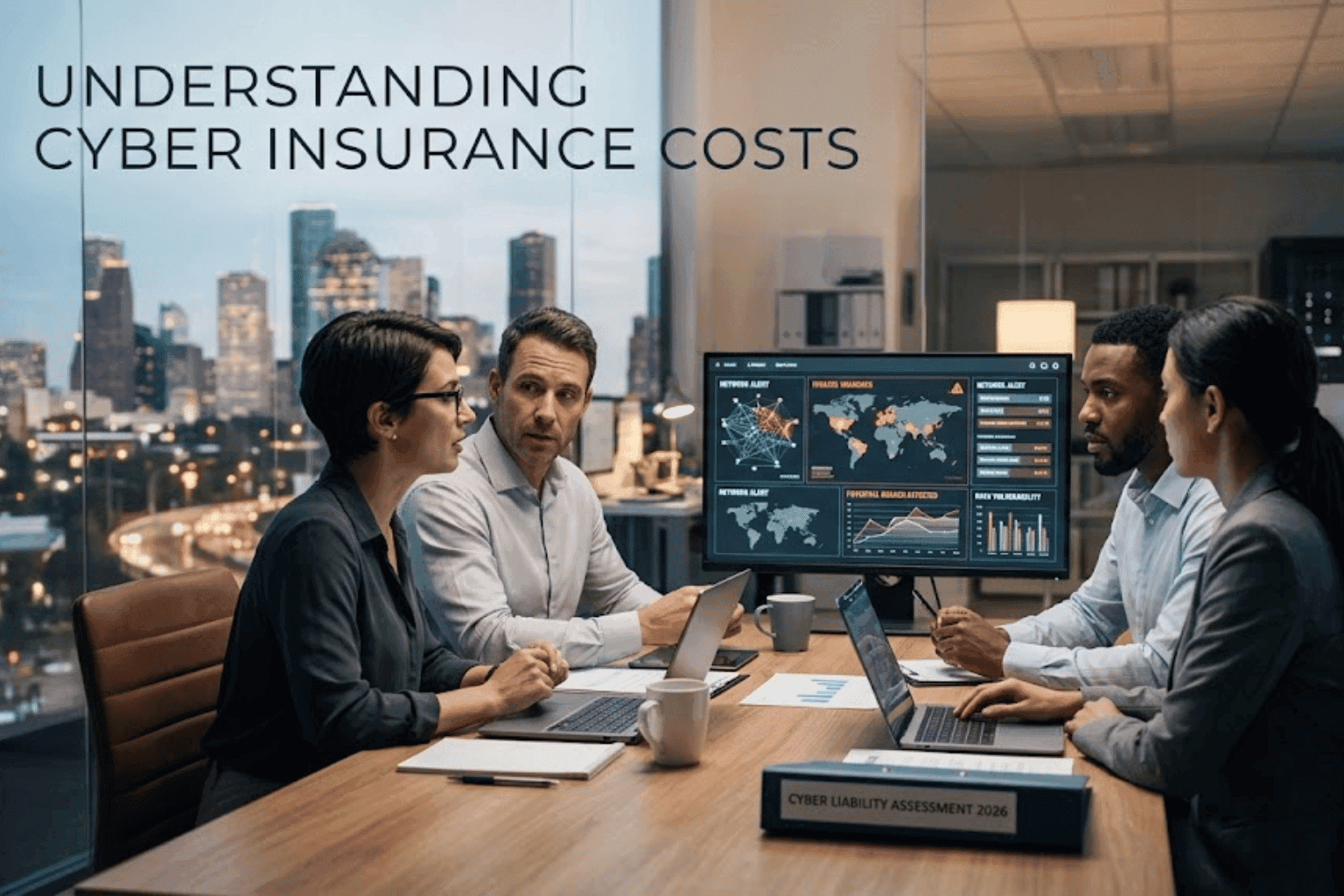
Quick Answer: Cyber liability insurance costs between $500 and $5,000 per year for most small to mid-size businesses in 2026. The exact cost depends on your industry, annual revenue, number of records you store, your existing cybersecurity measures, and the coverage limits you choose. Businesses in high-risk industries like healthcare, retail, and financial services pay toward the higher end of that range.
Cyberattacks, data breaches, and ransomware incidents have become one of the most significant financial risks for businesses of all sizes — and Houston-area businesses are no exception. But before you can protect your business, you need to understand what cyber liability insurance costs and what you get for that investment.
In this guide, we break down exactly how much cyber liability insurance costs in 2026 — by business size, industry, and coverage level — so you can make an informed decision.
How Much Is Cyber Liability Insurance in 2026?
Business Size / Revenue | Est. Annual Premium | Coverage Limit |
Micro business (under $500K revenue) | $500 – $1,200/yr | $250,000 – $500,000 |
Small business ($500K – $2M revenue) | $1,000 – $2,500/yr | $500,000 – $1,000,000 |
Mid-size business ($2M – $10M revenue) | $2,000 – $5,000/yr | $1,000,000 – $2,000,000 |
Larger business ($10M+ revenue) | $5,000 – $15,000+/yr | $2,000,000+ |
*Prices may vary based on your specific provider, coverage selections, business size, claims history, and other individual factors. The figures above are estimates only and are not a guarantee of your actual rate.
How Much Does Cyber Liability Insurance Cost by Industry?
Industry | Risk Level | Est. Annual Premium (Small Business) |
Healthcare / medical practices | Very High | $2,000 – $7,500/yr |
Financial services / accounting | Very High | $1,500 – $5,000/yr |
Retail (with e-commerce / card data) | High | $1,000 – $3,500/yr |
Legal / law firms | High | $1,500 – $4,000/yr |
Restaurants / hospitality | Moderate | $800 – $2,500/yr |
Professional services / consulting | Moderate | $700 – $2,000/yr |
Construction / contractors | Lower | $500 – $1,500/yr |
*Prices may vary based on your specific provider, coverage selections, business size, claims history, and other individual factors. The figures above are estimates only and are not a guarantee of your actual rate.
What Factors Affect How Much Cyber Insurance Costs?
Rating Factor | How It Affects Your Premium |
Annual revenue | Higher revenue = more assets at risk = higher premium |
Number of records stored | More customer/patient/employee records = greater breach exposure |
Industry type | High-risk industries pay significantly more |
Cybersecurity measures in place | MFA, encryption, backups, and training lower your premium |
Prior cyber incidents | A history of breaches raises your rate substantially |
Coverage limits selected | Higher limits = higher premium |
Deductible amount | Higher deductible = lower premium |
Remote workforce | More remote employees increases attack surface |
What Does Cyber Liability Insurance Cover?
Coverage Component | What It Pays For |
Data breach response | Forensic investigation, notification costs, credit monitoring |
Business interruption | Lost income while systems are down after a cyberattack |
Ransomware / extortion | Ransom payments (subject to legal compliance) and negotiation costs |
Legal costs and damages if customer data is exposed | |
Regulatory fines and penalties | Fines from HIPAA, PCI-DSS, or state privacy law violations |
Crisis communications / PR | Reputational damage management after a breach |
Social engineering / fraud | Losses from phishing or business email compromise (BEC) |
System damage and restoration | IT costs to rebuild systems damaged by malware or ransomware |
First-Party vs. Third-Party Cyber Coverage
First-Party Coverage (protects your business) | Third-Party Coverage (protects against claims from others) |
Business interruption losses | Customer lawsuits after their data is breached |
Ransomware payments and recovery | Regulatory fines and penalties |
Forensic investigation costs | Legal defense costs for privacy lawsuits |
Data restoration and system repair | Settlements and judgments |
Crisis communications and PR | Notification obligations to affected third parties |
Important: Some lower-cost cyber policies only include first-party coverage. If your business stores customer data, make sure your policy includes third-party liability — this is where the largest claims typically come from.

How to Lower Your Cyber Liability Insurance Cost
Enable multi-factor authentication (MFA) across all accounts — now one of the most impactful premium reducers
Maintain regular offline data backups — separate from your primary systems
Run employee cybersecurity training — phishing simulations and awareness programs
Deploy endpoint detection and response (EDR) tools
Keep all software and systems patched and up to date
Document a formal incident response plan
Assess the cybersecurity posture of key vendors and partners
Is Cyber Liability Insurance Worth the Cost?
The average cost of a small business data breach in the United States now exceeds $150,000. For most Houston businesses that handle any customer data, accept card payments, or rely on digital systems, the annual cost of cyber liability insurance is a fraction of the potential exposure.
Bottom line: If your business would not survive a $100,000+ loss from a cyberattack or data breach, cyber liability insurance is not optional — it is essential.
Frequently Asked Questions
Q1: How much is cyber liability insurance for a small business?
Most small businesses pay between $500 and $2,500 per year for cyber liability insurance in 2026. The exact cost depends on industry, annual revenue, number of records stored, existing cybersecurity measures, and coverage limits. Low-risk businesses with strong security controls can often secure $1 million in coverage for under $1,000 annually.
Q2: How much does cyber liability insurance cost for healthcare businesses?
Healthcare practices and medical offices typically pay $2,000–$7,500+ per year due to the sensitivity of patient health data and HIPAA compliance requirements. A single breach of protected health information can trigger significant regulatory fines in addition to notification and legal costs.
Q3: How much does cyber insurance cost compared to the risk?
The average cost of a small business data breach exceeds $150,000. Most small business cyber liability policies cost $500–$2,500 per year — making the annual premium less than 2% of the average breach cost. For businesses that handle customer data or rely on digital systems, cyber insurance is one of the highest value purchases available.
Q4: Does my general liability policy cover cyber incidents?
No. Standard general liability insurance does not cover cyber incidents, data breaches, ransomware attacks, or digital threats. A separate cyber liability policy is required. Some BOPs offer a small cyber endorsement, but standalone cyber policies provide significantly broader protection.
Q5: What deductible should I choose for cyber liability insurance?
Most small business cyber policies offer deductibles from $1,000 to $25,000. A $2,500–$5,000 deductible is common and keeps premiums manageable while ensuring coverage activates for significant incidents. Businesses with strong cash reserves may choose a higher deductible to reduce their annual premium.
Q6: Is cyber liability insurance required for Texas businesses?
Texas does not legally require cyber liability insurance for most businesses. However, healthcare (HIPAA), financial services, and businesses accepting card payments (PCI-DSS) face regulatory obligations that make it a practical necessity. Many client contracts and government bid no cyber liability coverage. w require proof of
Get a Quote in Houston Today
At AZ Insurance Agency, we help Houston-area businesses find the right cyber liability insurance at the right price — whether you're a solo practitioner, a growing retail business, or a multi-location operation.
Don't wait until after a breach to find out your business wasn't covered. Get a fast cyber liability quote today.
Quick Answer: Cyber liability insurance costs between $500 and $5,000 per year for most small to mid-size businesses in 2026. The exact cost depends on your industry, annual revenue, number of records you store, your existing cybersecurity measures, and the coverage limits you choose. Businesses in high-risk industries like healthcare, retail, and financial services pay toward the higher end of that range.
Cyberattacks, data breaches, and ransomware incidents have become one of the most significant financial risks for businesses of all sizes — and Houston-area businesses are no exception. But before you can protect your business, you need to understand what cyber liability insurance costs and what you get for that investment.
In this guide, we break down exactly how much cyber liability insurance costs in 2026 — by business size, industry, and coverage level — so you can make an informed decision.
How Much Is Cyber Liability Insurance in 2026?
Business Size / Revenue | Est. Annual Premium | Coverage Limit |
Micro business (under $500K revenue) | $500 – $1,200/yr | $250,000 – $500,000 |
Small business ($500K – $2M revenue) | $1,000 – $2,500/yr | $500,000 – $1,000,000 |
Mid-size business ($2M – $10M revenue) | $2,000 – $5,000/yr | $1,000,000 – $2,000,000 |
Larger business ($10M+ revenue) | $5,000 – $15,000+/yr | $2,000,000+ |
*Prices may vary based on your specific provider, coverage selections, business size, claims history, and other individual factors. The figures above are estimates only and are not a guarantee of your actual rate.
How Much Does Cyber Liability Insurance Cost by Industry?
Industry | Risk Level | Est. Annual Premium (Small Business) |
Healthcare / medical practices | Very High | $2,000 – $7,500/yr |
Financial services / accounting | Very High | $1,500 – $5,000/yr |
Retail (with e-commerce / card data) | High | $1,000 – $3,500/yr |
Legal / law firms | High | $1,500 – $4,000/yr |
Restaurants / hospitality | Moderate | $800 – $2,500/yr |
Professional services / consulting | Moderate | $700 – $2,000/yr |
Construction / contractors | Lower | $500 – $1,500/yr |
*Prices may vary based on your specific provider, coverage selections, business size, claims history, and other individual factors. The figures above are estimates only and are not a guarantee of your actual rate.
What Factors Affect How Much Cyber Insurance Costs?
Rating Factor | How It Affects Your Premium |
Annual revenue | Higher revenue = more assets at risk = higher premium |
Number of records stored | More customer/patient/employee records = greater breach exposure |
Industry type | High-risk industries pay significantly more |
Cybersecurity measures in place | MFA, encryption, backups, and training lower your premium |
Prior cyber incidents | A history of breaches raises your rate substantially |
Coverage limits selected | Higher limits = higher premium |
Deductible amount | Higher deductible = lower premium |
Remote workforce | More remote employees increases attack surface |
What Does Cyber Liability Insurance Cover?
Coverage Component | What It Pays For |
Data breach response | Forensic investigation, notification costs, credit monitoring |
Business interruption | Lost income while systems are down after a cyberattack |
Ransomware / extortion | Ransom payments (subject to legal compliance) and negotiation costs |
Legal costs and damages if customer data is exposed | |
Regulatory fines and penalties | Fines from HIPAA, PCI-DSS, or state privacy law violations |
Crisis communications / PR | Reputational damage management after a breach |
Social engineering / fraud | Losses from phishing or business email compromise (BEC) |
System damage and restoration | IT costs to rebuild systems damaged by malware or ransomware |
First-Party vs. Third-Party Cyber Coverage
First-Party Coverage (protects your business) | Third-Party Coverage (protects against claims from others) |
Business interruption losses | Customer lawsuits after their data is breached |
Ransomware payments and recovery | Regulatory fines and penalties |
Forensic investigation costs | Legal defense costs for privacy lawsuits |
Data restoration and system repair | Settlements and judgments |
Crisis communications and PR | Notification obligations to affected third parties |
Important: Some lower-cost cyber policies only include first-party coverage. If your business stores customer data, make sure your policy includes third-party liability — this is where the largest claims typically come from.
How to Lower Your Cyber Liability Insurance Cost
Enable multi-factor authentication (MFA) across all accounts — now one of the most impactful premium reducers
Maintain regular offline data backups — separate from your primary systems
Run employee cybersecurity training — phishing simulations and awareness programs
Deploy endpoint detection and response (EDR) tools
Keep all software and systems patched and up to date
Document a formal incident response plan
Assess the cybersecurity posture of key vendors and partners
Is Cyber Liability Insurance Worth the Cost?
The average cost of a small business data breach in the United States now exceeds $150,000. For most Houston businesses that handle any customer data, accept card payments, or rely on digital systems, the annual cost of cyber liability insurance is a fraction of the potential exposure.
Bottom line: If your business would not survive a $100,000+ loss from a cyberattack or data breach, cyber liability insurance is not optional — it is essential.
Frequently Asked Questions
Q1: How much is cyber liability insurance for a small business?
Most small businesses pay between $500 and $2,500 per year for cyber liability insurance in 2026. The exact cost depends on industry, annual revenue, number of records stored, existing cybersecurity measures, and coverage limits. Low-risk businesses with strong security controls can often secure $1 million in coverage for under $1,000 annually.
Q2: How much does cyber liability insurance cost for healthcare businesses?
Healthcare practices and medical offices typically pay $2,000–$7,500+ per year due to the sensitivity of patient health data and HIPAA compliance requirements. A single breach of protected health information can trigger significant regulatory fines in addition to notification and legal costs.
Q3: How much does cyber insurance cost compared to the risk?
The average cost of a small business data breach exceeds $150,000. Most small business cyber liability policies cost $500–$2,500 per year — making the annual premium less than 2% of the average breach cost. For businesses that handle customer data or rely on digital systems, cyber insurance is one of the highest value purchases available.
Q4: Does my general liability policy cover cyber incidents?
No. Standard general liability insurance does not cover cyber incidents, data breaches, ransomware attacks, or digital threats. A separate cyber liability policy is required. Some BOPs offer a small cyber endorsement, but standalone cyber policies provide significantly broader protection.
Q5: What deductible should I choose for cyber liability insurance?
Most small business cyber policies offer deductibles from $1,000 to $25,000. A $2,500–$5,000 deductible is common and keeps premiums manageable while ensuring coverage activates for significant incidents. Businesses with strong cash reserves may choose a higher deductible to reduce their annual premium.
Q6: Is cyber liability insurance required for Texas businesses?
Texas does not legally require cyber liability insurance for most businesses. However, healthcare (HIPAA), financial services, and businesses accepting card payments (PCI-DSS) face regulatory obligations that make it a practical necessity. Many client contracts and government bid no cyber liability coverage. w require proof of
Get a Quote in Houston Today
At AZ Insurance Agency, we help Houston-area businesses find the right cyber liability insurance at the right price — whether you're a solo practitioner, a growing retail business, or a multi-location operation.
Don't wait until after a breach to find out your business wasn't covered. Get a fast cyber liability quote today.
Latest Blogs

General Liability Will Not Pay for a Mistake. What Professional Liability Covers in Texas
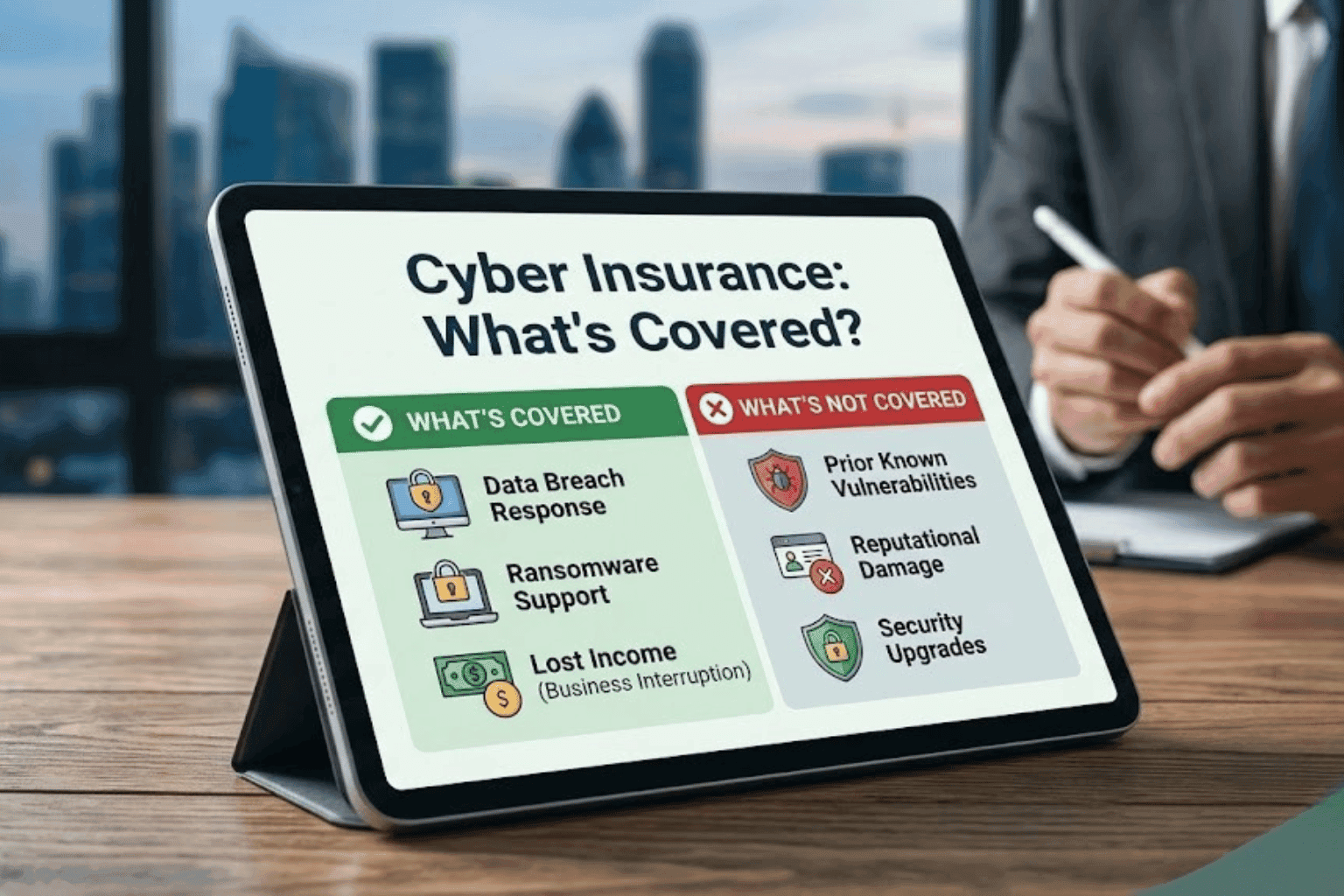
What Does Cyber Insurance Cover (and Not Cover)? Full Guide

How Much Is ATV Insurance? Average Costs and Factors
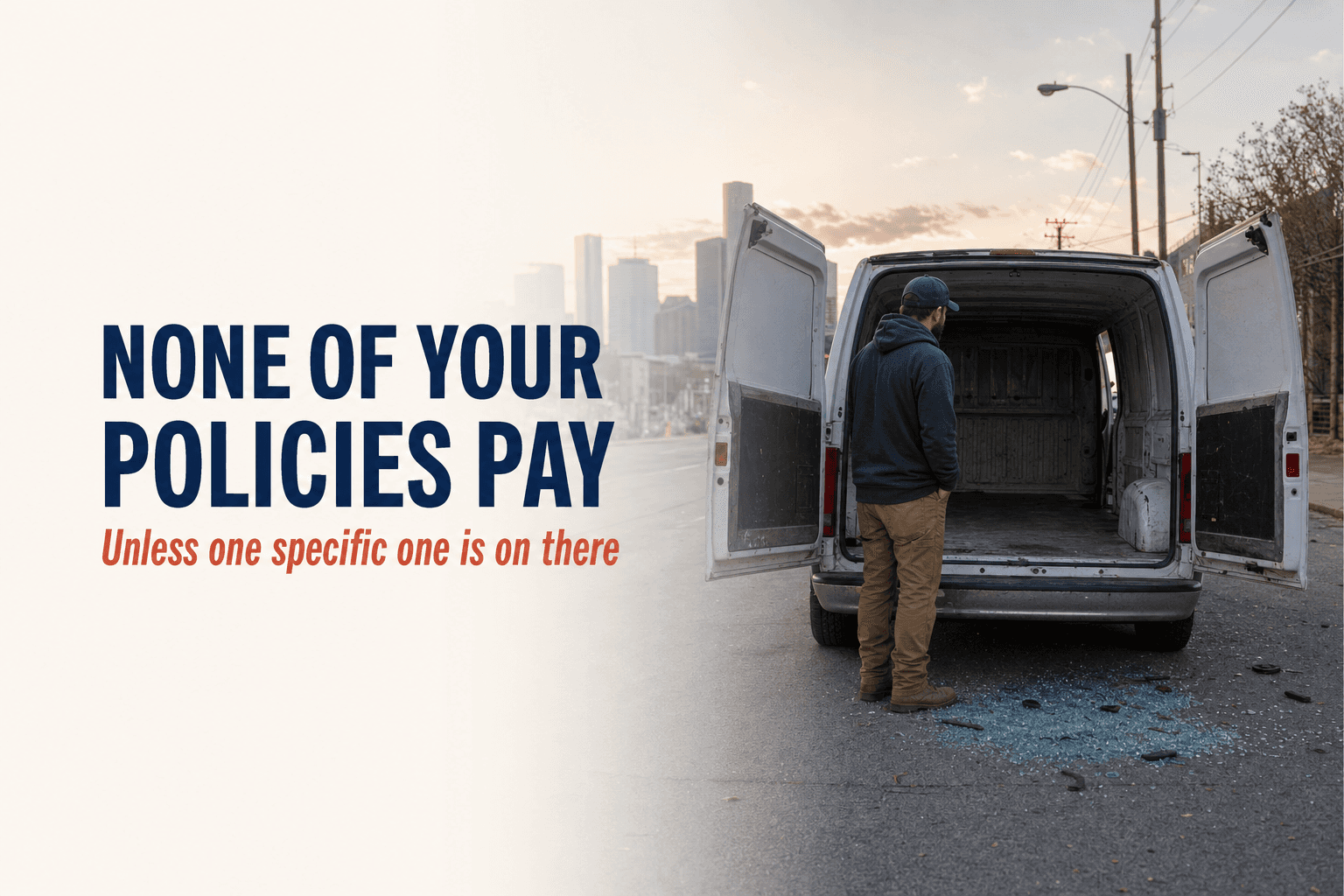
Your Tools Were Stolen Off the Truck. Which Policy Actually Pays?

What Does an Umbrella Insurance Policy Cover? (And What It Doesn't)

How Much Does Flood Insurance Cost in Texas? (2026 Pricing Guide)
Let A-Z Auto Insurance Help You Find Affordable Coverage
Connect with our experienced team today & get reliable, affordable insurance designed around your needs.
Contact Us!
Let A-Z Auto Insurance Help
You Find Affordable Coverage
Connect with our experienced team today & get reliable, affordable insurance designed around your needs.
Contact Us!
Let A-Z Auto
Insurance Help You
Find Affordable Coverage
Connect with our experienced team today & get reliable, affordable insurance designed around your needs.
Contact Us!
Let A-Z Auto Insurance Help
You Find Affordable Coverage
Connect with our experienced team today & get reliable, affordable insurance designed around your needs.
Contact Us!
Latest New & Blogs
Latest New & Blogs
Related Blog Posts
Related Blog Posts
How Much Is ATV Insurance? Average Costs and Factors
Learn how much ATV insurance costs, from liability to full coverage, plus the factors that affect your premium and ways to save. Visit now!
How Much Is ATV Insurance? Average Costs and Factors
Learn how much ATV insurance costs, from liability to full coverage, plus the factors that affect your premium and ways to save. Visit now!
How Much Is ATV Insurance? Average Costs and Factors
Learn how much ATV insurance costs, from liability to full coverage, plus the factors that affect your premium and ways to save. Visit now!
Your Tools Were Stolen Off the Truck. Which Policy Actually Pays?
General liability covers other people's property. Commercial auto pays for the broken window, not what was inside. Here is the policy that actually replaces your tools.
Your Tools Were Stolen Off the Truck. Which Policy Actually Pays?
General liability covers other people's property. Commercial auto pays for the broken window, not what was inside. Here is the policy that actually replaces your tools.
Your Tools Were Stolen Off the Truck. Which Policy Actually Pays?
General liability covers other people's property. Commercial auto pays for the broken window, not what was inside. Here is the policy that actually replaces your tools.
What Does an Umbrella Insurance Policy Cover? (And What It Doesn't)
Wondering what does an umbrella insurance policy cover? See what's included what's excluded, and if you need extra liability protection.
What Does an Umbrella Insurance Policy Cover? (And What It Doesn't)
Wondering what does an umbrella insurance policy cover? See what's included what's excluded, and if you need extra liability protection.
What Does an Umbrella Insurance Policy Cover? (And What It Doesn't)
Wondering what does an umbrella insurance policy cover? See what's included what's excluded, and if you need extra liability protection.
How Much Is ATV Insurance? Average Costs and Factors
Learn how much ATV insurance costs, from liability to full coverage, plus the factors that affect your premium and ways to save. Visit now!
Your Tools Were Stolen Off the Truck. Which Policy Actually Pays?
General liability covers other people's property. Commercial auto pays for the broken window, not what was inside. Here is the policy that actually replaces your tools.