Soporte rápido de profesionales de seguros de confianza Llame +1 713-777-2886 hoy!
¡Llame hoy al +1 713-777-2886 para obtener un soporte profesional rápido!


Tabla de Contenido
Título
Deje que AZ Insurance le ayude
a encontrar una cobertura asequible
Conéctate con nuestro equipo experimentado hoy y obtén un seguro confiable y asequible diseñado a tu medida.
¡Contáctanos!
Deja que A-Z Auto Insurance te ayude a encontrar una cobertura asequible
Conéctate con nuestro equipo experimentado hoy y obtén un seguro confiable y asequible diseñado a tu medida.
¡Contáctanos!
Landscaping Insurance in Houston: The Three Gaps Your Personal Policy Leaves Open
Landscaping Insurance in Houston: The Three Gaps Your Personal Policy Leaves Open
Landscaping Insurance in Houston: The Three Gaps Your Personal Policy Leaves Open
Landscaping Insurance in Houston: The Three Gaps Your Personal Policy Leaves Open
Landscaping Insurance in Houston: The Three Gaps Your Personal Policy Leaves Open

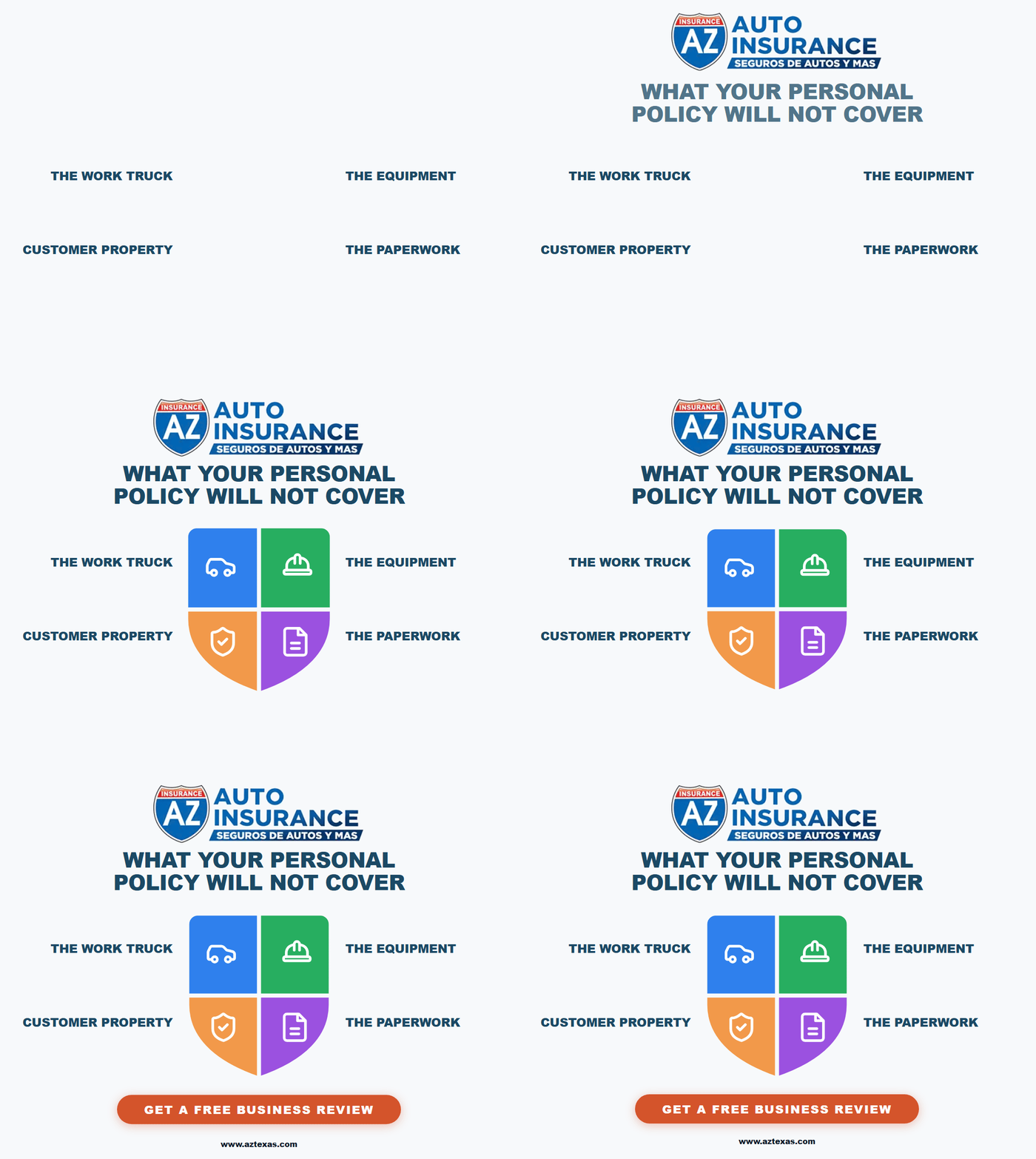
Quick Answer: If you cut grass for money in Houston, three things are probably uninsured. Your personal auto policy likely will not cover the truck while you are working. Your home policy is not built to carry commercial mowers. And damage you cause to a customer's property is a liability question, not a property one. Three gaps, three different answers.
What this article covers
Why this trade specifically
The three gaps at a glance
Gap one: the truck and the trailer
Gap two: the mowers and everything on the trailer
Gap three: the customer's property
What it costs you to be wrong
The paperwork that wins commercial accounts
What to fix first, by stage
Key Takeaways
Frequently asked questions
Why this trade specifically
Landscaping is one of the most common ways a business starts in Houston. Somebody has a truck, buys a mower, cuts a few yards on Saturdays, and eighteen months later there are two trucks, a crew of three and a route of ninety accounts.
The work scaled. The insurance almost never did.
That is not carelessness. Nothing forces the question. Nobody hands you a form on the day your personal truck becomes a work truck. The gap opens quietly and stays invisible until something happens, which is exactly why ten minutes now is worth it.
We see it across the offices closest to where the crews actually run: Baytown, Crosby, Highlands, Humble, Spring and 1960 on the Houston side, and Plano and Lewisville up in Dallas.
The three gaps at a glance
What is at risk | What your personal policy does | What actually covers it |
|---|---|---|
The truck while you are working | Probably nothing. May exclude business use entirely | Commercial auto, or an optional business use endorsement |
The trailer | Varies, often limited | Commercial auto, scheduled separately from the truck |
Mowers, trimmers, blowers, hand tools | A home policy is not built for it | Inland marine, the coverage that follows the equipment |
Damage to a customer's lawn, window or irrigation | Nothing. This is not your property | General liability |
A bid that needs proof of insurance | Nothing to show | A certificate of insurance off your general liability |
The rest of this article works through the first three, in the order they usually bite.
Gap one: the truck and the trailer
Start here, because it is the largest number and the one people get wrong most confidently.
The Texas Department of Insurance does not hedge. Its guidance on running a business from home states plainly that your auto insurance probably will not cover accidents that happen while you are driving for your business, and that if you make a lot of deliveries or pick up expensive supplies you might want to add a commercial auto policy.
It is more pointed elsewhere. On driving for work, the Department states that some personal use auto policies may cover you in an accident during a paid delivery even when that is not the vehicle's main use, and that other personal use policies will not cover driving for business at all.
So the honest answer to am I covered is that it depends on your specific policy, and you cannot know by assuming.
Then comes the sentence every owner operator should read twice. The Department's instruction is to always tell your insurance company if you are driving for business, because if you do not, the company could deny your claims and you would have to pay.
Sit with what that means at Houston liability limits. A serious at fault accident in a work truck, a denied claim, and the bill lands on you and the business personally. That is not really a coverage gap, it is a disclosure problem: the carrier priced a personal risk and got a commercial one.
There is a middle option worth asking about before assuming you need a full commercial policy. The Department notes you can check with your company or agent about adding optional coverage for deliveries, and that it typically costs less than a commercial policy because insurers treat business driving as riskier than personal driving. For a solo operator with one truck and a small trailer that is sometimes right. For a crew it usually is not.
The trailer belongs in the conversation too, and separately from the truck. Trailers get stolen out of Houston driveways constantly, and what pays for the trailer is not automatically what pays for what was sitting on it. That is gap two.
For the fuller picture on the vehicle side, start with what commercial auto insurance is and whether you need it in Texas, then commercial auto rates in Houston for 2026. If a crew member ever runs an errand in their own car, hired and non owned auto is the piece that catches that.
Get a free business coverage review or call (281) 833-6755. Hablamos Español.
Gap two: the mowers and everything on the trailer
Add up what is on your trailer right now. Two commercial mowers, a couple of trimmers, a blower, an edger, hand tools, maybe a sod cutter. For a working crew that is regularly twenty to forty thousand dollars of equipment, and it spends its life either in motion or parked overnight behind a house.
A home policy is not built for that. The Department's guidance is simple: unless it is just you and your laptop, a typical home policy will not be enough, and if you have expensive equipment, special tools or a lot of inventory you can add coverage for those assets.
The reason is structural rather than fine print. Property coverage is generally organised around a place. Your equipment's whole problem is that it does not stay in one.
The coverage built for exactly this is inland marine. The name is a historical accident that confuses everyone, so here is the Department's own description from its commercial property insurance guide: inland marine coverage covers property kept on land, not on water, despite its name. The categories it lists include contractor equipment and property in transit. That is your trailer load, named directly.
Two details decide whether the coverage is worth what you pay for it.
Replacement cost against actual cash value. This is the same line that decides roof claims, and it matters more for tools because they depreciate fast. Actual cash value pays replacement cost minus depreciation. Replacement cost pays to repair or replace at current costs.
A four year old commercial mower | What you get |
|---|---|
Cost to replace today | $11,000 |
Actual cash value settlement, after depreciation | Materially less than replacement cost |
Replacement cost settlement | The cost to replace it today, less your deductible |
The Department's advice is unambiguous: to be fully protected, make sure your policy provides replacement cost coverage. Ask which one you have rather than assuming. The same distinction is worked through for homeowners in actual cash value against replacement cost, and the mechanism is identical.
Tell them where you actually work. The Department's shopping advice for commercial property is to tell your agent about all your worksites to make sure you are fully covered. For a landscaping company the honest answer is that the worksite is the whole metro, plus wherever the trailer sleeps. Say that out loud when you buy the policy. A gap discovered at claim time was usually created at application time.
One more thing before hurricane season closes out: most commercial property policies do not cover damage from flooding. If your equipment is stored in a shop that has taken water before, that is a separate conversation and a separate policy. For the fixed side of your property, commercial property insurance coverage explained and does commercial property insurance cover fire cover what the building policy does and does not do, and business personal property covers what sits inside it.
Gap three: the customer's property
The first two gaps are about your things. This one is about someone else's, and it is the one that generates the phone calls.
A rock comes off the mower deck through a picture window. A trimmer catches an irrigation head. A crew clips a fiber line at the property edge. Nobody is hurt, nothing of yours is damaged, and you are still holding a bill.
That is general liability territory, not property. It is also more nuanced than most owners expect, because there is a real difference between damage to a customer's property generally and damage to the specific thing you were hired to work on. We covered exactly that in does general liability cover customer property damage.
Read that before assuming your policy handles it. If you are unsure which side of the line your work falls on, bring us the policy and we will find the clause with you.
Worth knowing where the law sits, too. General liability is not mandated for most Texas businesses the way auto liability is, which we covered in is general liability insurance required in Texas. Your contracts will require it long before the state does.
What it costs you to be wrong
The three scenarios that actually happen, and what changes with coverage in place.
Scenario | Without coverage | With coverage |
|---|---|---|
At fault accident in the work truck, claim denied for undisclosed business use | The full liability and repair bill lands on you and the business | Commercial auto responds within your limits |
Trailer and two mowers stolen from a driveway overnight | You buy the equipment again out of cash flow, and you cannot work until you do | Inland marine replaces it, at replacement cost if the policy is written that way |
Rock through a customer's picture window | You pay the glass bill and hope the account survives | General liability responds and the relationship survives with it |
None of these are unusual. All three are ordinary weeks in this trade.
The paperwork that wins commercial accounts
There is a version of this that is not about risk at all. It is about revenue.
The moment you try to move from residential yards to commercial work, property managers, HOAs, retail centers, municipal contracts, the first thing you are asked for is a certificate of insurance. No certificate, no bid. Crews lose work in this city every week for no reason other than not having the paperwork ready when a manager asked on a Thursday.
So general liability is not only what pays when the window breaks. It is what lets you bid at all. That reframing is usually what moves this from a someday item to a this week item, because the coverage starts paying for itself the first contract it unlocks.
If you have a bid waiting on one, here is how it works and how fast it can move: same day certificates of insurance in Houston. What a policy costs in this market is in general liability cost in Houston for 2026, and if you work as a sub rather than a prime, 1099 contractors and general liability is the one to read.
What to fix first, by stage
Where you are | Fix first | Then |
|---|---|---|
Solo, one truck, weekends | Tell your auto carrier it is business use | Ask about an optional business use endorsement |
Solo, full time, route of accounts | Commercial auto, and equipment coverage | General liability so you can bid commercial |
Crew of two or three | All three gaps closed | Workers compensation conversation |
Multiple trucks and crews | Review limits against your largest contract | Umbrella over the top |
Once you have employees rather than help, workers compensation becomes its own conversation, and Texas treats it differently than most states do. That is a separate sitting, and it is worth having deliberately rather than after an injury. Start with Texas non subscriber rules, because the opt out is real and it has consequences most owners have not read. If you are still a one person operation, sole proprietor business insurance is the closest match to your situation, and the pattern here repeats in other trades, such as general liability for Houston cleaning companies.
Key Takeaways
The Texas Department of Insurance states your auto insurance probably will not cover accidents that happen while you are driving for your business.
Always tell your carrier the truck is used for work. The Department warns that if you do not, the company could deny your claims and you would pay.
A home policy is not built to carry commercial mowers. Equipment that moves needs inland marine, which the Department describes as covering property kept on land, including contractor equipment and property in transit.
Ask whether your equipment settles at replacement cost or actual cash value. Tools depreciate fast and the gap is real.
Tell your agent about all your worksites. For a landscaping crew the worksite is the whole metro.
Damage to a customer's property is general liability, not property coverage, and the rules differ for the thing you were hired to work on.
Most commercial property policies exclude flood, which matters if your shop has ever taken water.
A certificate of insurance is what lets you bid commercial work at all.
Frequently asked questions
Q: Does my personal auto insurance cover my landscaping truck?
Probably not while you are working. The Texas Department of Insurance states that your auto insurance probably will not cover accidents that happen while you are driving for your business, and that some personal use policies will not cover business driving at all while others may. The only reliable way to know is to tell your carrier the truck is used for the business and get the answer in writing.
Q: What happens if I do not tell my insurer I use the truck for work?
The Department is direct about this. If you do not tell your insurance company you are driving for business, the company could deny your claims and you would have to pay. On a serious at fault accident that is the exposure that ends small companies.
Q: What insurance covers stolen mowers and trimmers?
Inland marine, which despite the name covers property kept on land. The Texas Department of Insurance lists contractor equipment and property in transit among the categories it covers. A standard home policy is not designed to carry commercial equipment, and a commercial property policy is generally organised around a fixed address rather than a trailer that moves every day.
Q: Do I need general liability to cut grass in Texas?
The state does not generally require it the way it requires auto liability. Your customers will. Commercial property managers, HOAs and retail centers ask for a certificate of insurance before you can bid, so in practice general liability is what lets you take commercial work at all, and it is what responds when a rock from the mower deck breaks a window.
Q: How much equipment coverage do I actually need?
Walk the trailer and total what each piece would cost to replace today, not what you paid for it. Most owners are surprised by the number, and the number is the point. Then confirm the policy pays replacement cost rather than actual cash value, because the Department's advice is that replacement cost is what leaves you fully protected.
Q: Is my equipment covered if my shop floods?
Usually not. The Texas Department of Insurance states that most commercial property policies do not cover damage from flooding. If your equipment is stored somewhere that has taken water before, flood is a separate policy and a separate conversation.
Q: I am a one person operation. Is this overkill?
The truck is not. That is the same exposure whether you have one crew or four, and it is the cheapest of the three to resolve if all you need is a business use endorsement. Equipment and liability scale with the size of your route and the kind of work you want to bid.
Why AZ Insurance stands apart
Bring us whatever you have now, even if that is a personal auto policy and nothing else. There is no charge and no obligation, and we will not pretend you need every coverage that exists.
In one sitting you will know which of the three gaps are actually open for your operation, what each one costs to close, and which to do first if you are closing them one at a time. For a lot of crews the honest answer is that the truck is urgent, the equipment is worth doing this quarter, and the liability pays for itself the moment it wins one commercial account.
We work with owner operators and crews across Houston and Dallas, with 15 offices and bilingual agents at every one of them, and we can usually turn a certificate around quickly when you have a bid waiting.
Related Articles
This article is general information, not legal advice or a promise of coverage. What applies to your business is governed by your policy and the contracts you sign. We are happy to read both with you.
Quick Answer: If you cut grass for money in Houston, three things are probably uninsured. Your personal auto policy likely will not cover the truck while you are working. Your home policy is not built to carry commercial mowers. And damage you cause to a customer's property is a liability question, not a property one. Three gaps, three different answers.
What this article covers
Why this trade specifically
The three gaps at a glance
Gap one: the truck and the trailer
Gap two: the mowers and everything on the trailer
Gap three: the customer's property
What it costs you to be wrong
The paperwork that wins commercial accounts
What to fix first, by stage
Key Takeaways
Frequently asked questions
Why this trade specifically
Landscaping is one of the most common ways a business starts in Houston. Somebody has a truck, buys a mower, cuts a few yards on Saturdays, and eighteen months later there are two trucks, a crew of three and a route of ninety accounts.
The work scaled. The insurance almost never did.
That is not carelessness. Nothing forces the question. Nobody hands you a form on the day your personal truck becomes a work truck. The gap opens quietly and stays invisible until something happens, which is exactly why ten minutes now is worth it.
We see it across the offices closest to where the crews actually run: Baytown, Crosby, Highlands, Humble, Spring and 1960 on the Houston side, and Plano and Lewisville up in Dallas.
The three gaps at a glance
What is at risk | What your personal policy does | What actually covers it |
|---|---|---|
The truck while you are working | Probably nothing. May exclude business use entirely | Commercial auto, or an optional business use endorsement |
The trailer | Varies, often limited | Commercial auto, scheduled separately from the truck |
Mowers, trimmers, blowers, hand tools | A home policy is not built for it | Inland marine, the coverage that follows the equipment |
Damage to a customer's lawn, window or irrigation | Nothing. This is not your property | General liability |
A bid that needs proof of insurance | Nothing to show | A certificate of insurance off your general liability |
The rest of this article works through the first three, in the order they usually bite.
Gap one: the truck and the trailer
Start here, because it is the largest number and the one people get wrong most confidently.
The Texas Department of Insurance does not hedge. Its guidance on running a business from home states plainly that your auto insurance probably will not cover accidents that happen while you are driving for your business, and that if you make a lot of deliveries or pick up expensive supplies you might want to add a commercial auto policy.
It is more pointed elsewhere. On driving for work, the Department states that some personal use auto policies may cover you in an accident during a paid delivery even when that is not the vehicle's main use, and that other personal use policies will not cover driving for business at all.
So the honest answer to am I covered is that it depends on your specific policy, and you cannot know by assuming.
Then comes the sentence every owner operator should read twice. The Department's instruction is to always tell your insurance company if you are driving for business, because if you do not, the company could deny your claims and you would have to pay.
Sit with what that means at Houston liability limits. A serious at fault accident in a work truck, a denied claim, and the bill lands on you and the business personally. That is not really a coverage gap, it is a disclosure problem: the carrier priced a personal risk and got a commercial one.
There is a middle option worth asking about before assuming you need a full commercial policy. The Department notes you can check with your company or agent about adding optional coverage for deliveries, and that it typically costs less than a commercial policy because insurers treat business driving as riskier than personal driving. For a solo operator with one truck and a small trailer that is sometimes right. For a crew it usually is not.
The trailer belongs in the conversation too, and separately from the truck. Trailers get stolen out of Houston driveways constantly, and what pays for the trailer is not automatically what pays for what was sitting on it. That is gap two.
For the fuller picture on the vehicle side, start with what commercial auto insurance is and whether you need it in Texas, then commercial auto rates in Houston for 2026. If a crew member ever runs an errand in their own car, hired and non owned auto is the piece that catches that.
Get a free business coverage review or call (281) 833-6755. Hablamos Español.
Gap two: the mowers and everything on the trailer
Add up what is on your trailer right now. Two commercial mowers, a couple of trimmers, a blower, an edger, hand tools, maybe a sod cutter. For a working crew that is regularly twenty to forty thousand dollars of equipment, and it spends its life either in motion or parked overnight behind a house.
A home policy is not built for that. The Department's guidance is simple: unless it is just you and your laptop, a typical home policy will not be enough, and if you have expensive equipment, special tools or a lot of inventory you can add coverage for those assets.
The reason is structural rather than fine print. Property coverage is generally organised around a place. Your equipment's whole problem is that it does not stay in one.
The coverage built for exactly this is inland marine. The name is a historical accident that confuses everyone, so here is the Department's own description from its commercial property insurance guide: inland marine coverage covers property kept on land, not on water, despite its name. The categories it lists include contractor equipment and property in transit. That is your trailer load, named directly.
Two details decide whether the coverage is worth what you pay for it.
Replacement cost against actual cash value. This is the same line that decides roof claims, and it matters more for tools because they depreciate fast. Actual cash value pays replacement cost minus depreciation. Replacement cost pays to repair or replace at current costs.
A four year old commercial mower | What you get |
|---|---|
Cost to replace today | $11,000 |
Actual cash value settlement, after depreciation | Materially less than replacement cost |
Replacement cost settlement | The cost to replace it today, less your deductible |
The Department's advice is unambiguous: to be fully protected, make sure your policy provides replacement cost coverage. Ask which one you have rather than assuming. The same distinction is worked through for homeowners in actual cash value against replacement cost, and the mechanism is identical.
Tell them where you actually work. The Department's shopping advice for commercial property is to tell your agent about all your worksites to make sure you are fully covered. For a landscaping company the honest answer is that the worksite is the whole metro, plus wherever the trailer sleeps. Say that out loud when you buy the policy. A gap discovered at claim time was usually created at application time.
One more thing before hurricane season closes out: most commercial property policies do not cover damage from flooding. If your equipment is stored in a shop that has taken water before, that is a separate conversation and a separate policy. For the fixed side of your property, commercial property insurance coverage explained and does commercial property insurance cover fire cover what the building policy does and does not do, and business personal property covers what sits inside it.
Gap three: the customer's property
The first two gaps are about your things. This one is about someone else's, and it is the one that generates the phone calls.
A rock comes off the mower deck through a picture window. A trimmer catches an irrigation head. A crew clips a fiber line at the property edge. Nobody is hurt, nothing of yours is damaged, and you are still holding a bill.
That is general liability territory, not property. It is also more nuanced than most owners expect, because there is a real difference between damage to a customer's property generally and damage to the specific thing you were hired to work on. We covered exactly that in does general liability cover customer property damage.
Read that before assuming your policy handles it. If you are unsure which side of the line your work falls on, bring us the policy and we will find the clause with you.
Worth knowing where the law sits, too. General liability is not mandated for most Texas businesses the way auto liability is, which we covered in is general liability insurance required in Texas. Your contracts will require it long before the state does.
What it costs you to be wrong
The three scenarios that actually happen, and what changes with coverage in place.
Scenario | Without coverage | With coverage |
|---|---|---|
At fault accident in the work truck, claim denied for undisclosed business use | The full liability and repair bill lands on you and the business | Commercial auto responds within your limits |
Trailer and two mowers stolen from a driveway overnight | You buy the equipment again out of cash flow, and you cannot work until you do | Inland marine replaces it, at replacement cost if the policy is written that way |
Rock through a customer's picture window | You pay the glass bill and hope the account survives | General liability responds and the relationship survives with it |
None of these are unusual. All three are ordinary weeks in this trade.
The paperwork that wins commercial accounts
There is a version of this that is not about risk at all. It is about revenue.
The moment you try to move from residential yards to commercial work, property managers, HOAs, retail centers, municipal contracts, the first thing you are asked for is a certificate of insurance. No certificate, no bid. Crews lose work in this city every week for no reason other than not having the paperwork ready when a manager asked on a Thursday.
So general liability is not only what pays when the window breaks. It is what lets you bid at all. That reframing is usually what moves this from a someday item to a this week item, because the coverage starts paying for itself the first contract it unlocks.
If you have a bid waiting on one, here is how it works and how fast it can move: same day certificates of insurance in Houston. What a policy costs in this market is in general liability cost in Houston for 2026, and if you work as a sub rather than a prime, 1099 contractors and general liability is the one to read.
What to fix first, by stage
Where you are | Fix first | Then |
|---|---|---|
Solo, one truck, weekends | Tell your auto carrier it is business use | Ask about an optional business use endorsement |
Solo, full time, route of accounts | Commercial auto, and equipment coverage | General liability so you can bid commercial |
Crew of two or three | All three gaps closed | Workers compensation conversation |
Multiple trucks and crews | Review limits against your largest contract | Umbrella over the top |
Once you have employees rather than help, workers compensation becomes its own conversation, and Texas treats it differently than most states do. That is a separate sitting, and it is worth having deliberately rather than after an injury. Start with Texas non subscriber rules, because the opt out is real and it has consequences most owners have not read. If you are still a one person operation, sole proprietor business insurance is the closest match to your situation, and the pattern here repeats in other trades, such as general liability for Houston cleaning companies.
Key Takeaways
The Texas Department of Insurance states your auto insurance probably will not cover accidents that happen while you are driving for your business.
Always tell your carrier the truck is used for work. The Department warns that if you do not, the company could deny your claims and you would pay.
A home policy is not built to carry commercial mowers. Equipment that moves needs inland marine, which the Department describes as covering property kept on land, including contractor equipment and property in transit.
Ask whether your equipment settles at replacement cost or actual cash value. Tools depreciate fast and the gap is real.
Tell your agent about all your worksites. For a landscaping crew the worksite is the whole metro.
Damage to a customer's property is general liability, not property coverage, and the rules differ for the thing you were hired to work on.
Most commercial property policies exclude flood, which matters if your shop has ever taken water.
A certificate of insurance is what lets you bid commercial work at all.
Frequently asked questions
Q: Does my personal auto insurance cover my landscaping truck?
Probably not while you are working. The Texas Department of Insurance states that your auto insurance probably will not cover accidents that happen while you are driving for your business, and that some personal use policies will not cover business driving at all while others may. The only reliable way to know is to tell your carrier the truck is used for the business and get the answer in writing.
Q: What happens if I do not tell my insurer I use the truck for work?
The Department is direct about this. If you do not tell your insurance company you are driving for business, the company could deny your claims and you would have to pay. On a serious at fault accident that is the exposure that ends small companies.
Q: What insurance covers stolen mowers and trimmers?
Inland marine, which despite the name covers property kept on land. The Texas Department of Insurance lists contractor equipment and property in transit among the categories it covers. A standard home policy is not designed to carry commercial equipment, and a commercial property policy is generally organised around a fixed address rather than a trailer that moves every day.
Q: Do I need general liability to cut grass in Texas?
The state does not generally require it the way it requires auto liability. Your customers will. Commercial property managers, HOAs and retail centers ask for a certificate of insurance before you can bid, so in practice general liability is what lets you take commercial work at all, and it is what responds when a rock from the mower deck breaks a window.
Q: How much equipment coverage do I actually need?
Walk the trailer and total what each piece would cost to replace today, not what you paid for it. Most owners are surprised by the number, and the number is the point. Then confirm the policy pays replacement cost rather than actual cash value, because the Department's advice is that replacement cost is what leaves you fully protected.
Q: Is my equipment covered if my shop floods?
Usually not. The Texas Department of Insurance states that most commercial property policies do not cover damage from flooding. If your equipment is stored somewhere that has taken water before, flood is a separate policy and a separate conversation.
Q: I am a one person operation. Is this overkill?
The truck is not. That is the same exposure whether you have one crew or four, and it is the cheapest of the three to resolve if all you need is a business use endorsement. Equipment and liability scale with the size of your route and the kind of work you want to bid.
Why AZ Insurance stands apart
Bring us whatever you have now, even if that is a personal auto policy and nothing else. There is no charge and no obligation, and we will not pretend you need every coverage that exists.
In one sitting you will know which of the three gaps are actually open for your operation, what each one costs to close, and which to do first if you are closing them one at a time. For a lot of crews the honest answer is that the truck is urgent, the equipment is worth doing this quarter, and the liability pays for itself the moment it wins one commercial account.
We work with owner operators and crews across Houston and Dallas, with 15 offices and bilingual agents at every one of them, and we can usually turn a certificate around quickly when you have a bid waiting.
Related Articles
This article is general information, not legal advice or a promise of coverage. What applies to your business is governed by your policy and the contracts you sign. We are happy to read both with you.
Últimos Blogs

Un reclamo por tormenta no puede aumentar la tarifa de su seguro de casa en Texas. Una tubería rota sí.

Una tormenta azota antes de tu renovación: el cronograma de reclamos en Texas y el nuevo derecho que tendrás en 2026

Su techo antes de la tormenta: las cuatro cosas que debe verificar en su póliza mientras todavía pueda

Cobertura de seguro de propiedad comercial explicada: Qué está protegido y qué no

No suscriptor de Texas: Qué sucede realmente cuando decide no participar en la compensación para trabajadores
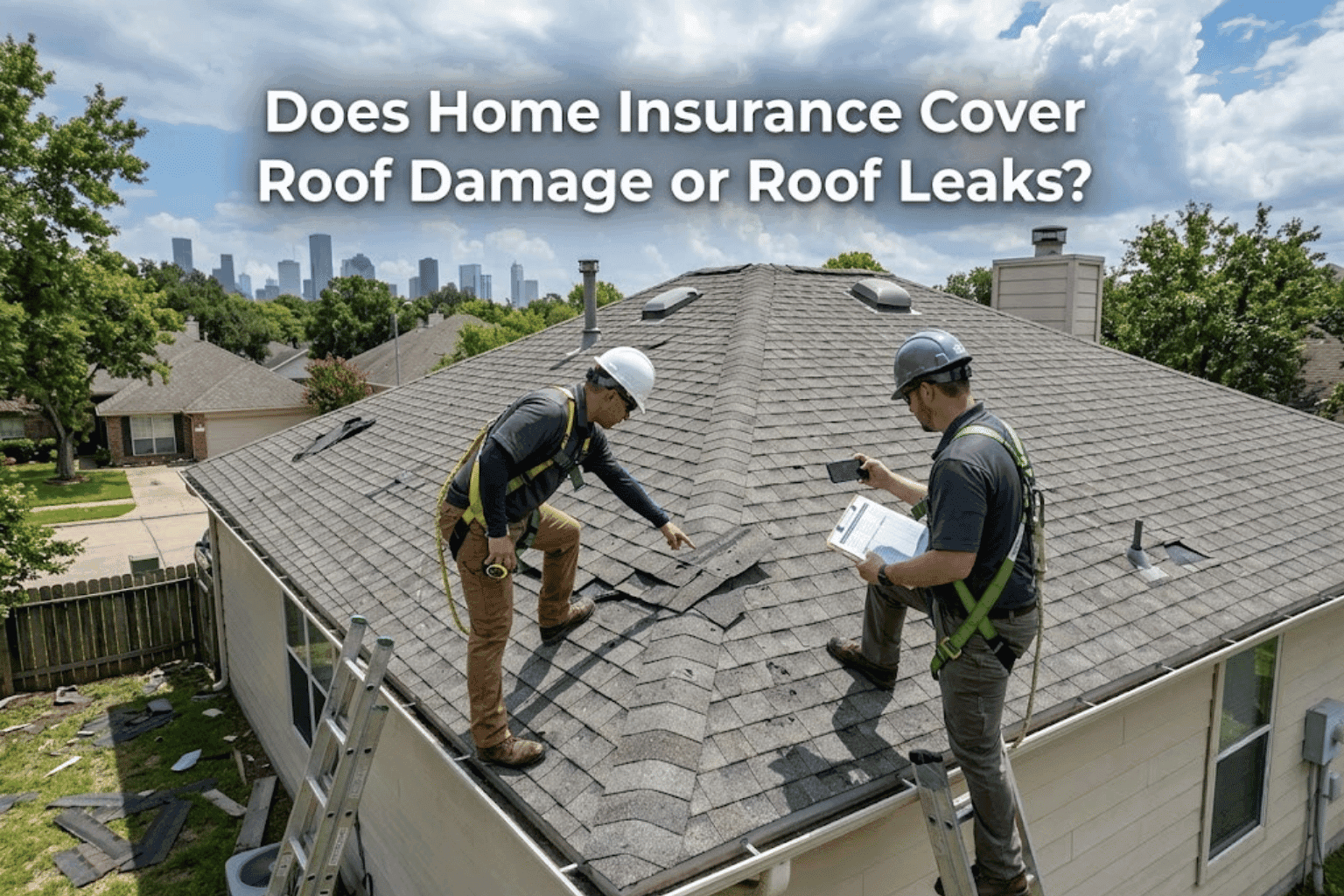
¿El seguro de casa cubre daños o filtraciones en el techo? Entendiendo la cobertura de reemplazo de techo
Deja que A-Z Auto Insurance te ayude a encontrar una cobertura asequible
Conéctate con nuestro equipo experimentado hoy y obtén un seguro confiable y asequible diseñado a tu medida.
¡Contáctanos!
Deje que A-Z Auto Insurance le ayude
A encontrar una cobertura asequible
Conéctate con nuestro equipo experimentado hoy y obtén un seguro confiable y asequible diseñado a tu medida.
¡Contáctanos!
Deja que A-Z Auto
Seguros te
ayude a encontrar cobertura asequible
Conéctate con nuestro equipo experimentado hoy y obtén un seguro confiable y asequible diseñado a tu medida.
¡Contáctanos!
Deje que A-Z Auto Insurance le ayude
A encontrar una cobertura asequible
Conéctate con nuestro equipo experimentado hoy y obtén un seguro confiable y asequible diseñado a tu medida.
¡Contáctanos!
Últimas noticias y blogs
Últimas noticias y blogs
Publicaciones de blog relacionadas
Publicaciones de blog relacionadas
Su techo antes de la tormenta: las cuatro cosas que debe verificar en su póliza mientras todavía pueda
Cuatro cosas que debe revisar en su póliza de seguro de hogar en Texas antes de una tormenta: base de liquidación, porcentaje de deducible, programa de antigüedad del techo y daños estéticos.
Su techo antes de la tormenta: las cuatro cosas que debe verificar en su póliza mientras todavía pueda
Cuatro cosas que debe revisar en su póliza de seguro de hogar en Texas antes de una tormenta: base de liquidación, porcentaje de deducible, programa de antigüedad del techo y daños estéticos.
Su techo antes de la tormenta: las cuatro cosas que debe verificar en su póliza mientras todavía pueda
Cuatro cosas que debe revisar en su póliza de seguro de hogar en Texas antes de una tormenta: base de liquidación, porcentaje de deducible, programa de antigüedad del techo y daños estéticos.
Cobertura de seguro de propiedad comercial explicada: Qué está protegido y qué no
¿Qué cubre el seguro de propiedad comercial? Conozca qué está protegido, incluyendo incendios y robos, además de las exclusiones clave para ayudar a su empresa en Houston a evitar vacíos de cobertura.
Cobertura de seguro de propiedad comercial explicada: Qué está protegido y qué no
¿Qué cubre el seguro de propiedad comercial? Conozca qué está protegido, incluyendo incendios y robos, además de las exclusiones clave para ayudar a su empresa en Houston a evitar vacíos de cobertura.
Cobertura de seguro de propiedad comercial explicada: Qué está protegido y qué no
¿Qué cubre el seguro de propiedad comercial? Conozca qué está protegido, incluyendo incendios y robos, además de las exclusiones clave para ayudar a su empresa en Houston a evitar vacíos de cobertura.
No suscriptor de Texas: Qué sucede realmente cuando decide no participar en la compensación para trabajadores
Texas permite que la mayoría de los empleadores privados no contraten un seguro de compensación para trabajadores. El estado aún exige una presentación anual, un aviso publicado e informes de lesiones, y usted renuncia a tres defensas legales.
No suscriptor de Texas: Qué sucede realmente cuando decide no participar en la compensación para trabajadores
Texas permite que la mayoría de los empleadores privados no contraten un seguro de compensación para trabajadores. El estado aún exige una presentación anual, un aviso publicado e informes de lesiones, y usted renuncia a tres defensas legales.
No suscriptor de Texas: Qué sucede realmente cuando decide no participar en la compensación para trabajadores
Texas permite que la mayoría de los empleadores privados no contraten un seguro de compensación para trabajadores. El estado aún exige una presentación anual, un aviso publicado e informes de lesiones, y usted renuncia a tres defensas legales.
Su techo antes de la tormenta: las cuatro cosas que debe verificar en su póliza mientras todavía pueda
Cuatro cosas que debe revisar en su póliza de seguro de hogar en Texas antes de una tormenta: base de liquidación, porcentaje de deducible, programa de antigüedad del techo y daños estéticos.
Cobertura de seguro de propiedad comercial explicada: Qué está protegido y qué no
¿Qué cubre el seguro de propiedad comercial? Conozca qué está protegido, incluyendo incendios y robos, además de las exclusiones clave para ayudar a su empresa en Houston a evitar vacíos de cobertura.