Climate Risk & Commercial Insurance: What Businesses Need to Know in 2025
Climate-related risks are no longer a future concern—they are a present-day reality for businesses across Texas. 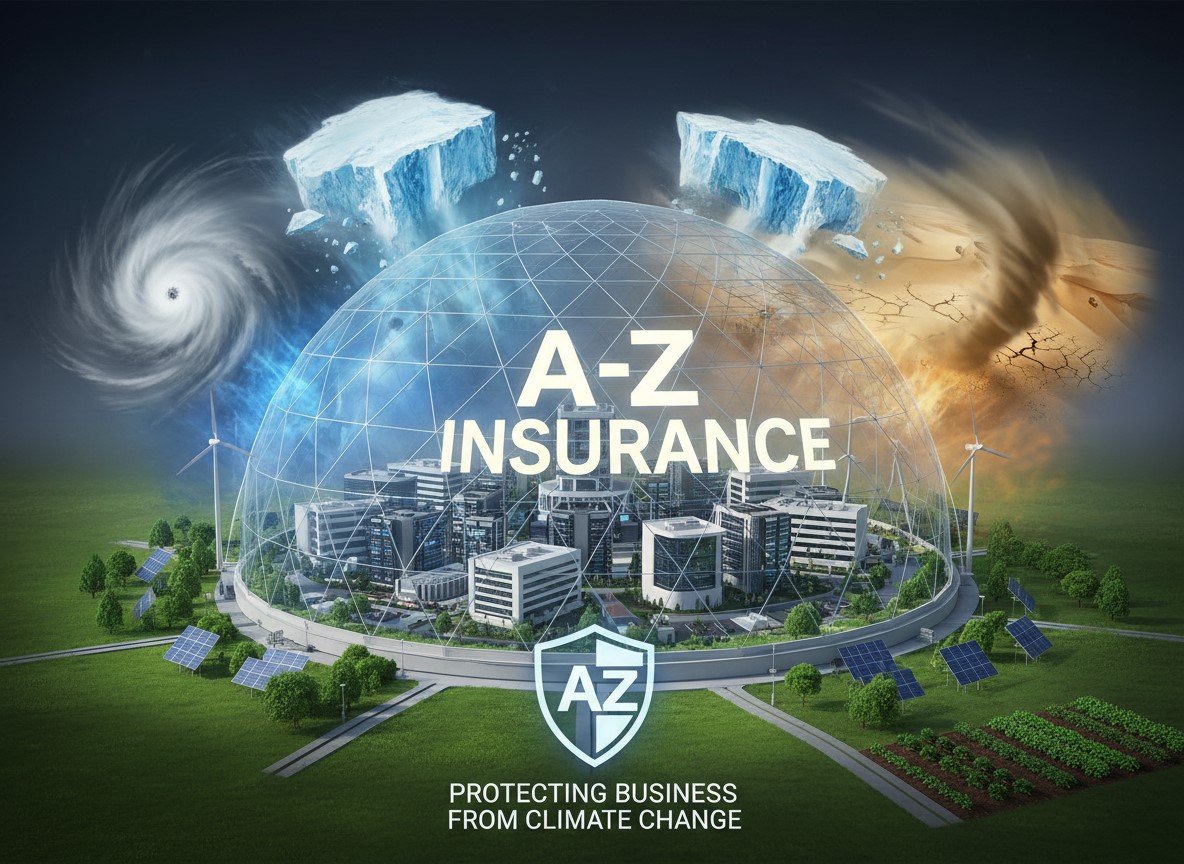
From severe storms and flooding to extreme heat and power outages, climate events are reshaping how
commercial insurance works in 2025.
At A-Z Insurance, we help business owners understand how climate risk impacts coverage, premiums,
and protection strategies—so you can stay prepared and protected.
How Climate Risk Is Changing Commercial Insurance
Insurance carriers are adjusting policies as weather-related claims continue to rise. Businesses are seeing changes such as:
-
Higher deductibles for weather-related losses
-
Increased premiums in high-risk areas
-
Stricter underwriting requirements
-
Greater emphasis on risk mitigation
This makes understanding climate risk commercial insurance more important than ever for business owners.
Common Climate-Related Risks Facing Texas Businesses
Texas businesses are especially vulnerable to climate-related events, including:
🌪 Severe Storms & Wind Damage
High winds and hail can damage roofs, signage, and equipment.
🌊 Flooding
Even businesses outside flood zones may experience water damage from heavy rainfall.
🔥 Extreme Heat
Heat waves can cause equipment failure, power outages, and employee safety concerns.
⚡ Power Outages
Weather-related outages can lead to lost income and operational downtime.
Without the right coverage, these events can result in costly out-of-pocket expenses.
Why Commercial Insurance Coverage Matters More in 2025
The right Texas commercial insurance policy can help protect your business from climate-related losses, including:
Proper coverage ensures your business can recover faster after unexpected events.
Steps Business Owners Can Take to Reduce Risk
Insurance is only part of the solution. Businesses can also reduce exposure by:
-
Reviewing policies annually
-
Updating property values and equipment coverage
-
Implementing safety and maintenance plans
-
Installing protective systems (drainage, surge protection, reinforced roofing)
Proactive risk management may also help control insurance costs over time.